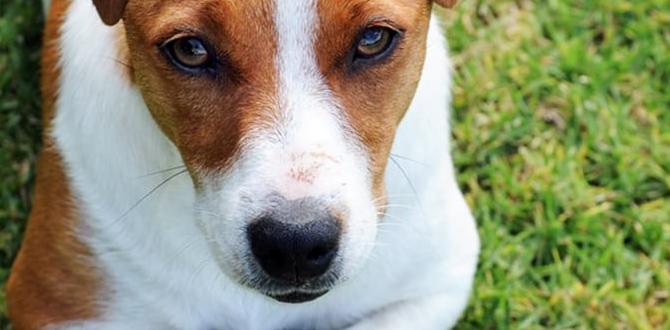
Have you ever noticed how some dogs act like they own their humans? This is especially true for possessive dogs. They may guard their toys, food, or even their favorite spot on the couch. It’s almost like they think everything belongs to them!
Imagine a dog that growls when you get close to its bed. It can be a bit scary, right? Many people face this same challenge. Dogs may get protective when they feel worried or insecure. Understanding how to deal with a possessive dog is important for your safety and happiness.
Did you know that possessiveness in dogs is often linked to their past experiences? Some dogs might have faced tough times, leading to their protective behavior. By approaching the situation with care, you can help your furry friend feel more secure.
In this article, we will explore smart ways to handle possessive dogs. You’ll learn tips and tricks to create a happy environment for both you and your pet. Together, we can discover how to make life better for your loyal companion!
Dealing With Possessive Dog: Tips For Managing Canine Behavior

Dealing with a Possessive Dog
Many dog owners face challenges with possessive behavior. You might notice your dog growling over their toys or food. So, what can you do? Start by teaching them commands like “drop it” to promote sharing. Socialization also helps; expose your dog to other pets and people gradually. Did you know that playtime can reduce possessiveness? Engaging your dog with fun games builds trust and confidence. Ultimately, patience is key, and soon you’ll see a more relaxed companion!Understanding Possessive Behavior
Definition of possessive behavior in dogs. Common causes of possessiveness in dogs.Possessive behavior in dogs happens when they guard items or people. This means they may growl, snarl, or even snap when someone gets too close to their prized possessions. Common causes include fear, past trauma, or simply being spoiled rotten. It’s like having a doggy diva who thinks their toys are made of gold! Understanding why your pup acts this way can help you teach them to share. Here’s a quick look at some reasons:
| Cause | Description |
|---|---|
| Fear | The dog may fear losing its possessions. |
| Trauma | A rough background can make dogs protective. |
| Spoiling | Too many treats can lead to a possessive pup. |
Knowing these reasons helps dog owners handle possessive behavior better. Taking small, gentle steps can turn a greedy pup into a sharing superstar!
Recognizing Signs of Possessiveness
Behavioral indicators of a possessive dog. Situational triggers that provoke possessive tendencies.Has your dog ever looked at a toy like it was the last slice of pizza? Dogs can show possessiveness in many ways. Some signs include growling, guarding food, or not sharing their favorite toys. Situational triggers often include visitors, new pets, or even a tasty bone. Being aware of these signs can help you manage your dog’s behavior better. Check out this table for quick reference!
| Behavioral Signs | Situational Triggers |
|---|---|
| Growling at people | New guests at home |
| Food guarding | When they’re eating |
| Toy possession | Presence of other pets |
Understanding these signs helps create a happy home for you and your furry friend. Remember, sharing is caring—unless you’re a dog!
Training Techniques to Manage Possessiveness
Positive reinforcement methods for teaching commands. Strategies for desensitization to possessions over time.To help manage a possessive dog, use positive reinforcement. Reward your dog with treats or praise when they follow commands. This builds trust and makes them feel good. Desensitization is also important. Gradually introduce new toys or items. Observe how they react and reward calm behavior. This method takes time but can make a big difference.
- Start with simple commands like “sit” or “stay.”
- Increase the challenge over time.
- Use high-value treats for best results.
What is positive reinforcement?
Positive reinforcement is a method that rewards good behavior. It makes dogs want to repeat those behaviors. This can include giving treats, praise, or playtime when your dog behaves well.
Creating a Safe Environment
Structuring a space to minimize triggers. Introducing safe zones for the dog and family interactions.Making your home friendly for both your dog and your family is a good idea. Start by keeping things tidy. Remove items that spark jealousy. Create special spots where your dog can chill. Think of these as their personal “doggy lounges.” They help your pup relax and feel safe. Make sure family members know the rules on sharing space. This way, everyone gets along, and the only barking you hear is from dogs having fun!
| Safe Zone Suggestions | Purpose |
|---|---|
| Dog Bed | A cozy space for your dog to relax. |
| Baby Gates | Keep the dog in safe areas. |
| Quiet Room | Dog can escape loud noises and busy activities. |
Working with a Professional Trainer
When to seek help from a dog behaviorist. What to expect from professional training sessions.If your dog shows signs of possessiveness, getting help from a professional trainer can be a great choice. Signs you need help include biting, growling, or not sharing toys. In training sessions, expect to learn useful skills. These may help calm your dog and improve behavior. A trainer will create a plan tailored to your dog’s needs. Positive reinforcement is often the method used. Working together can lead to a happier and safer home.
When should you seek help from a dog behaviorist?
Seek help if your dog becomes aggressive or overly protective. It’s vital to address these issues early. Prevention is easier than correction.
What should you expect from professional training sessions?
- Understanding your dog’s behavior.
- Learning effective techniques.
- Gaining confidence in handling your dog.
- Improving the bond between you and your dog.
Long-term Strategies for Maintaining Good Behavior
Importance of consistency in training. Regular exercise and mental stimulation to reduce anxiety.To help your furry friend behave well, consistency in training is key. Dogs thrive on routine, much like kids with a snack schedule! Use the same commands and methods daily, so they know what to expect. Regular exercise is also important. It helps release pent-up energy and reduces anxiety. A tired dog is a happy dog, after all! Don’t forget mental games like puzzles to keep their brains busy. Here’s a quick table for some ideas:
| Activity | Benefit |
|---|---|
| Daily walks | Burns energy |
| Training sessions | Builds skills |
| Puzzle toys | Stimulates mind |
With these strategies, you’ll keep your possessive pup happy and healthy. Remember, a little effort goes a long way!
Resources for Dog Owners
Recommended books and articles on dog behavior. Online communities and support groups for pet owners.As a dog owner, finding good resources is key to keeping your pup happy and well-behaved. One great way is through books and articles that focus on dog behavior. They offer tips and tricks to manage things like possessiveness. Websites and blogs are gold mines of information! You can connect with online communities and support groups. Here, you can share stories, ask questions, and even laugh about your dog’s quirky habits. Remember, all dog owners have been there!
| Book/Article | Focus |
|---|---|
| The Power of Positive Dog Training | Great techniques for behavior change |
| Canine Good Citizen Program | Tips on obedience and socialization |
| Online Dog Training Forums | Support and advice from fellow owners |
Remember, even James Bond had his “M” for guidance. So find your resources, and you’ll both be masters of the household!
Conclusion
In conclusion, dealing with a possessive dog requires patience and understanding. You should set boundaries and practice sharing. Training your dog can help them feel more secure. Always reward positive behavior and stay calm during challenges. If you want to learn more, consider reading training guides or consulting a dog trainer for extra support. You can help your dog become more relaxed and friendly!FAQs
What Are Some Effective Strategies For Managing A Possessive Dog Who Guards Toys Or Food?To help a possessive dog that guards toys or food, try a few simple steps. First, teach your dog to trade by offering a special treat for the toy or food. This shows them that sharing can be good! Next, practice “leave it” or “drop it” commands with tasty treats. Lastly, give your dog their toys or food in a calm place where they feel safe. This can help your dog relax and feel less protective.
How Can I Train My Dog To Be More Comfortable With Sharing And Less Possessive Of Their Belongings?To help your dog share better, start by practicing with their toys. When your dog has a toy, show them a yummy treat. Say “swap” and give them the treat. When they let go of the toy, praise them and give the toy back after a short time. Repeat this a few times, so they learn sharing brings good things!
What Signs Indicate That A Dog Is Becoming Possessive, And How Can I Intervene Safely?If your dog is becoming possessive, you might see signs like growling, snapping, or staring at people or things. They might also guard their toys or food. To help, you can teach your dog to share. Use treats to reward them when they stay calm around others. Always stay calm and make sure everyone is safe while you work together.
Are Certain Dog Breeds More Prone To Possessiveness, And How Can Owners Of These Breeds Address The Behavior?Yes, some dog breeds can be more possessive. Breeds like Chihuahuas or German Shepherds might act this way. To help your dog, give them plenty of training and playtime. You can teach them to share and not guard their toys. Always show them love and care so they feel safe and happy.
How Do I Handle Possessiveness In Dogs When Introducing Them To New Pets Or People In The Household?To handle your dog’s possessiveness, you can start by introducing new pets or people slowly. Make sure your dog feels safe and secure first. Use treats and praise when your dog acts calmly. If your dog shows jealousy, gently distract them with a toy or game. Always supervise their interactions until you’re sure everyone gets along.

Meet Elyse Colburn, the devoted canine companion and storyteller behind the enchanting world of “Tales, Tails, and Adventures Unleashed.” A passionate dog enthusiast with a heart full of paw prints, Elyse Colburn shares heartwarming tales and insightful adventures, celebrating the joy, loyalty, and endless antics that make every dog a true hero. Join Elyse Colburn on this tail-wagging journey, where every post is a love letter to our four-legged friends.