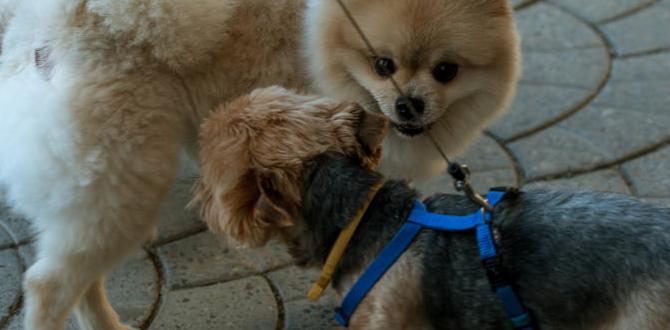
Understanding and Managing Dog Territorial Behavior in Puppies
Dog territorial behavior in puppies is a natural instinct that emerges as they grow and begin to understand their place within a social structure. While often misunderstood, this behavior is not necessarily a sign of aggression but rather an innate drive to protect what they perceive as theirs – be it resources, space, or even their human family. Understanding the root causes and implementing effective management strategies from an early age is crucial for raising a well-adjusted and confident canine companion.
Puppies, much like their wild ancestors, develop territorial instincts for survival. In a pack setting, establishing and defending territory ensured access to food, shelter, and safety. As domesticated animals, these instincts are still present, though they manifest differently. For a puppy, “territory” can encompass a variety of things: their bed, their food bowl, a favorite toy, a particular spot on the couch, or even the front door where visitors arrive. This desire to guard these perceived possessions stems from a need for security and a sense of control over their environment.
The Early Signs of Dog Territorial Behavior in Puppies
It’s important to recognize the subtle, and sometimes not-so-subtle, cues that your puppy is beginning to exhibit territorial tendencies. These can vary depending on the individual puppy’s genetics, breed predispositions, and early socialization experiences.
Stiffening and Staring: As someone approaches their valued item or space, a puppy might freeze, their body becoming rigid, and fix their gaze intently on the approaching person or animal.
Low Growls or Grumbles: This is a clear warning sign that the puppy is uncomfortable with the proximity and desires the encroacher to back off.
Lip Licking and Yawning (Stress Signals): While these can indicate various things, in the context of someone approaching their “property,” they can be signs of anxiety and a prelude to more assertive behavior.
Mouth Guarding: A puppy might place their mouth over their food bowl or toy, emitting soft growls or tense up if anyone gets too close.
Barking or Lunging: As the puppy becomes more confident in their territorial claims, they might escalate to barking, lunging, or even nipping to drive away perceived threats. This is often directed at strangers entering the house or even familiar people who get too close to their favorite items.
Why Do Puppies Develop Territorial Tendencies?
Several factors contribute to the development of dog territorial behavior in puppies. Understanding these can help owners proactively address potential issues.
Genetics and Breed: Certain breeds were historically developed for guarding or herding, and these instinctual tendencies can be more pronounced in their offspring. For example, German Shepherds or Rottweilers might naturally exhibit stronger guarding behaviors than a Cavalier King Charles Spaniel.
Lack of Socialization: Insufficient exposure to a variety of people, places, and other animals during the critical socialization window (roughly 3-16 weeks of age) can lead to a puppy viewing unfamiliar stimuli as threats, thus prompting territorial responses.
Resource Guarding: If a puppy has experienced scarcity or competition for resources in the past (even perceived scarcity), they might develop a strong instinct to protect what they have. This can be exacerbated by inconsistent feeding or unpredictable access to toys.
Anxiety and Insecurity: A puppy that feels insecure or anxious might resort to territorial displays as a way to create distance and feel safer. This can be a self-soothing mechanism.
Learned Behavior: If territorial behavior has been inadvertently rewarded (e.g., a puppy barks at the mail carrier, and the mail carrier leaves, the puppy “wins”), they may repeat the behavior.
Best Fixes for Dog Territorial Behavior in Puppies
The good news is that with consistent training and positive reinforcement, dog territorial behavior in puppies can be effectively managed and redirected. The key is to start early and be proactive.
Early and Positive Socialization: Expose your puppy to a wide range of sights, sounds, people, and well-behaved dogs in a positive and controlled manner. This helps them learn that new experiences are not inherently threatening. Enroll in puppy socialization classes where they can interact safely with peers under professional supervision.
Resource Guarding Prevention: If you notice any signs of mouth guarding, practice “trading up.” Offer your puppy something even more desirable (like a high-value treat) in exchange for the item they are guarding. This teaches them that relinquishing an item can lead to a positive outcome. Never forcibly take items away from a puppy, as this can escalate guarding behavior.
Positive Reinforcement Training: Use reward-based training methods to build your puppy’s confidence and teach them alternative behaviors. For example, teach a solid “leave it” and “drop it” command. Reward your puppy for calm behavior when people approach their resources or their personal space.
Management of Triggers: Identify what triggers your puppy’s territorial behavior and manage the environment accordingly. If they bark at the door when the doorbell rings, practice having people ring the bell and then immediately toss a treat for your puppy. Gradually increase the duration and complexity of these scenarios. Consider using baby gates or confining them to another room with a puzzle toy when visitors arrive until they are more settled.
Desensitization and Counter-Conditioning: For more pronounced territorial behaviors like barking at strangers entering the home, gradual desensitization combined with counter-conditioning is crucial. This involves slowly exposing your puppy to the trigger at a distance where they don’t react, and pairing it with positive reinforcement (treats, praise). Over time, the intensity and proximity of the trigger can be increased.
Establishing Clear Boundaries: While you want to nurture your puppy’s confidence, it’s also important to establish clear rules and boundaries. Teach them acceptable vs. unacceptable behaviors regarding their space and resources. Consistency from all household members is vital.
* Professional Guidance: If you are struggling to manage your puppy’s territorial behavior or if it seems to be escalating, don’t hesitate to consult a certified professional dog trainer or a veterinary behaviorist. They can assess the specific situation and provide tailored strategies.
By understanding the natural roots of dog territorial behavior in puppies and implementing these proactive and positive training strategies, you can help your puppy grow into a well-adjusted, confident, and enjoyable companion. It’s a journey that requires patience, consistency, and a deep understanding of your puppy’s needs and natural instincts.

Meet Elyse Colburn, the devoted canine companion and storyteller behind the enchanting world of “Tales, Tails, and Adventures Unleashed.” A passionate dog enthusiast with a heart full of paw prints, Elyse Colburn shares heartwarming tales and insightful adventures, celebrating the joy, loyalty, and endless antics that make every dog a true hero. Join Elyse Colburn on this tail-wagging journey, where every post is a love letter to our four-legged friends.