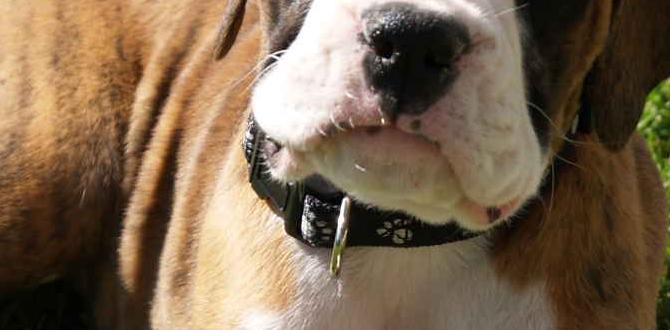
Puppy Training Behavior: Effortless Guide for New Owners
Puppy training behavior for beginners can feel like navigating a minefield of chewed slippers and unexpected puddles. But what if we told you that achieving a well-behaved canine companion isn’t an insurmountable task? With the right knowledge, a dash of patience, and a whole lot of positive reinforcement, you can transform those adorable, yappy bundles of energy into polite, happy members of your family. This guide is designed to demystify the process, offering practical strategies to build a strong foundation for a lifetime of good behavior.
The journey of puppyhood is a formative one, shaping not only your puppy’s personality but also their understanding of the world and their place within it. Early training is crucial for establishing clear communication, setting boundaries, and fostering a positive relationship between you and your new furry friend. It’s important to remember that puppies are not born with innate knowledge of household rules. They are learning, exploring, and sometimes, simply being dogs! Understanding their developmental stages and motivations is the first step to successful puppy training behavior for beginners.
The Power of Positive Reinforcement: Building Trust and Confidence
At the heart of any effective puppy training behavior strategy lies positive reinforcement. This means rewarding desired behaviors, making them more likely to occur again. Think of it as a language: you’re teaching your puppy what you want through clear communication and positive outcomes. This approach is far more effective and humane than punishment, which can lead to fear, anxiety, and behavioral problems.
What constitutes a positive reinforcement? It can be as simple as a high-value treat (something extra special that your puppy loves!), enthusiastic verbal praise, a gentle rub, or a favorite toy. The key is consistency. When your puppy performs a desired action – say, sitting when asked or pottying outside – immediately reward them with their chosen motivator. The timing is critical; the reward needs to happen within seconds of the behavior for your puppy to connect the two.
Consider house training as a prime example. When your puppy successfully eliminates outdoors, lavish them with praise and offer a treat. Accidents indoors, while frustrating, should be met with a calm clean-up and not punishment. Scolding a puppy after the fact is ineffective because they won’t understand what they’re being disciplined for. Instead, focus on proactive measures: frequent potty breaks, especially after waking up, eating, and playing, and rewarding every success.
Essential Commands: Laying the Groundwork
Introducing basic commands is fundamental to puppy training behavior for beginners. These commands not only provide structure but also enhance your puppy’s safety and your ability to manage them in various situations.
Sit: This is often the first command taught. Hold a treat near your puppy’s nose and move it upwards and slightly back over their head. As their head follows the treat, their rear end will naturally lower into a sit. As soon as they sit, say “Sit!” and reward them.
Stay: Once your puppy reliably sits, you can introduce “Stay.” With your puppy in a sit, hold your hand out flat, palm facing them, and say “Stay.” Take one step back. If they remain seated, return and reward them. Gradually increase the distance and duration. If they move, calmly guide them back to the original spot and try again.
Come: This command is crucial for safety. Start in a quiet area. Get down on your puppy’s level, say their name followed by “Come!” in an excited, happy tone, and clap your hands or pat your legs. When they run to you, reward them enthusiastically. Never use “Come” to scold or do something unpleasant.
Remember to keep training sessions short and fun, especially for young puppies. Aim for 5-10 minutes several times a day. Overloading them can lead to disinterest and frustration.
Socialization: A cornerstone of good Puppy Training Behavior
Socialization is paramount for well-adjusted dogs and should begin as early as possible, once your veterinarian gives the go-ahead. It’s about exposing your puppy to a wide variety of sights, sounds, people, and other animals in a positive and controlled manner. Proper socialization helps prevent fear-based aggression and anxiety later in life.
Encourage positive interactions with friendly, vaccinated dogs. Visit pet-friendly stores or parks (after appropriate vaccinations). Introduce them to people of different ages, appearances, and abilities. Expose them to everyday noises like vacuum cleaners, doorbells, and traffic from a safe distance. The goal is to create positive associations, ensuring your puppy grows into a confident, adaptable, and well-behaved adult dog.
Addressing Common Puppy Behaviors
Even with the best intentions, you’ll encounter common puppy behaviors that require attention. Understanding the root cause is key to effective management.
Nipping and Biting: Puppies explore the world with their mouths. Nipping is natural, but it needs to be redirected. When your puppy nips too hard during play, yelp loudly (mimicking a littermate’s reaction) and briefly end the play session. Offer an appropriate chew toy instead.
Chewing: Provide plenty of appropriate chew toys of varying textures. Rotate them to keep things interesting. If you catch your puppy chewing something inappropriate, calmly redirect them to a chew toy. Puppy-proofing your home by putting away or securing valuable items is also essential.
Jumping Up: When your puppy jumps up for attention, turn away and ignore them. Only give them attention when all four paws are on the floor. You can also teach them to “sit” for greetings.
Puppy training behavior for beginners is an ongoing process, not a one-time event. Celebrate small victories, be patient through setbacks, and always strive to build a strong, trusting bond with your puppy. By implementing these positive training strategies, you’re not just teaching commands; you’re shaping a happy, confident, and well-behaved canine companion who will bring you joy for years to come.

Meet Elyse Colburn, the devoted canine companion and storyteller behind the enchanting world of “Tales, Tails, and Adventures Unleashed.” A passionate dog enthusiast with a heart full of paw prints, Elyse Colburn shares heartwarming tales and insightful adventures, celebrating the joy, loyalty, and endless antics that make every dog a true hero. Join Elyse Colburn on this tail-wagging journey, where every post is a love letter to our four-legged friends.