Have you ever come home to find your beloved dog barking, chewing, or digging? This behavior might mean they have separation anxiety. It’s surprising to know that many dogs feel stressed when left alone. Just like us, dogs need comfort and security.
Imagine coming home to a happy wagging tail instead of a mess. Wouldn’t that be great? There are many dog separation anxiety solutions that can help your furry friend feel more at ease when you leave. Simple changes can make a big difference.
In this article, you’ll discover some easy tips and tricks to help your dog relax. You can learn how to make your home a safe place for them. Let’s explore ways to turn your anxious pup into a calm companion. Together, we can help them find peace and happiness!
Effective Dog Separation Anxiety Solutions For Your Pet
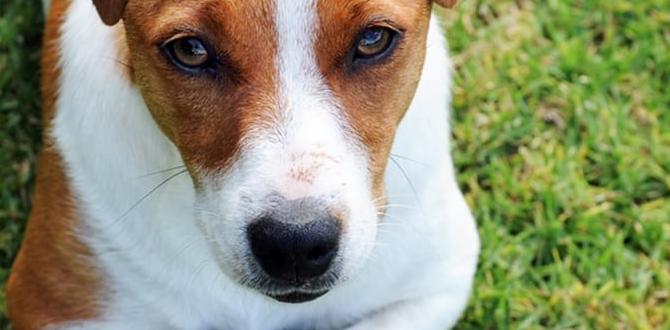
Dog Separation Anxiety Solutions
Dog separation anxiety can be tough for both pets and owners. Dogs may bark, dig, or even chew on furniture when left alone. To help your furry friend, start with gradual departures. Try leaving for short times and slowly increase the duration. Create a calm space with toys that engage them. Consider puzzle toys for mental stimulation. Did you know that background noise, like music or TV, can soothe anxious dogs? These solutions can make a big difference!Understanding Dog Separation Anxiety
Definition and symptoms of separation anxiety in dogs. Common triggers and risk factors associated with the condition.Separation anxiety in dogs happens when they get very upset when left alone. They may bark, chew, or even try to escape. Look for these signs:
- Excessive barking or howling
- Destructive behavior, like chewing furniture
- Going to the bathroom inside
- Pacing or shaking
Common triggers include:
- New home or environment
- Changes in the owner’s schedule
- Loss of a family member in the home
This condition can affect any dog, but some breeds are more likely to experience it. Understanding these points can help in finding solutions for dog separation anxiety.
What are the symptoms of dog separation anxiety?
Symptoms include barking, destructive behavior, and excessive drooling. They show this when their owners leave. Observing your dog closely can help catch these signs early.
Recognizing the Signs of Separation Anxiety
Behavioral indications that your dog may be anxious. Physical signs to watch for when leaving your dog alone.Dogs often show signs when they feel anxious when left alone. Watch for these behavioral signs:
- Barking or howling loudly
- Pacing and restlessness
- Chewing on furniture or shoes
- Urinating or defecating indoors
Physical signs can also tell you how your dog feels. Look for:
- Shaking or trembling
- Excessive drooling
- Panting or heavy breathing
Paying attention to these signs helps you understand your dog’s feelings. Early recognition can lead to better solutions and a happier pet.
What are the signs of separation anxiety in dogs?
The signs include barking, destructive behavior, and physical symptoms like shaking. Recognizing these helps owners provide comfort and support for their pets.
Immediate Solutions to Alleviate Anxiety
Creating a safe and comfortable environment for your dog. Shortterm techniques to reduce anxiety during departures.Giving your dog a cozy and safe spot can work wonders. A warm blanket or a toy can make them feel snug. You could also try leaving an item that smells like you. It’s like a little hug when you’re not home!
For quick fixes before you leave, try these tips:
| Technique | Description |
|---|---|
| Short Departures | Practice leaving for just a few minutes at a time. It helps them get used to your absence. |
| Calming Music | Play soft music to soothe them while you’re gone. It’s like a concert just for your pup! |
| Treat Distractions | Give them a special treat or toy that keeps them busy. Who doesn’t love a tasty surprise? |
With these simple methods, you can take a step towards easing those puppy blues. Remember, happier pups mean happier humans!
Long-Term Training Approaches
Stepbystep desensitization training methods. Importance of positive reinforcement techniques.Training your pup to handle alone time takes patience and fun! One effective way is through step-by-step desensitization. Start by leaving your dog alone for just a few minutes. Gradually increase the time apart. This helps them learn that you always come back. Positive reinforcement is key! Give treats and praise when they stay calm. This builds confidence and makes them feel like a superstar!
| Step | Action | Reward |
|---|---|---|
| 1 | Leave for 5 minutes | Treat and praise |
| 2 | Leave for 10 minutes | More treats! |
| 3 | Leave for 30 minutes | Lots of petting |
This process teaches your dog that being alone is no big deal. Remember, every pup is different, so go at their pace. Training can be a lot of fun, and together, you’ll be a dynamic duo—squad goals, anyone?
Using Professional Help and Resources
When to consider consulting a veterinarian or a dog behaviorist. Recommended training programs and resources available.Sometimes, dogs need extra help. If your furry friend becomes very anxious, it’s best to consult a professional. A veterinarian or a dog behaviorist can provide valuable advice. Look for help if your dog shows signs like constant barking, chewing, or hiding.
Many effective training programs and resources can ease separation anxiety. Here are a few:
- Puppy training classes
- Online dog training courses
- Books on dog behavior
Using these resources can make a big difference for your dog!
When Should You Get Professional Help?
If your dog’s anxiety severely affects their life, seek help. Signs include trouble sleeping, loss of appetite, and excessive barking. Early intervention is crucial for better results.
Recommended Training Programs
Consider programs designed for anxiety. Many trainers specialize in this area, offering tools to help your pet relax.
Creating a Structured Routine
Importance of consistency in your dog’s daily activities. Tips for establishing a comforting schedule for your pet.Dogs love a good routine, much like humans enjoy their morning coffee. A structured daily schedule makes your furry friend feel secure. It reduces their anxiety and keeps them happy. Think of it as their very own doggie calendar! To help, start by setting regular times for meals, walks, and play. Consistency is key, and soon your pup will see it as a treasure map. Here’s a sample schedule:
| Activity | Time |
|---|---|
| Breakfast | 8:00 AM |
| Walk | 9:00 AM |
| Playtime | 10:00 AM |
| Lunch | 12:00 PM |
| Nap | 1:00 PM |
| Evening Walk | 5:00 PM |
| Dinner | 6:00 PM |
| Wind Down | 8:00 PM |
Try sticking to this schedule. Your dog will start to relax, thinking, “Ah, here comes dinner, my favorite part of the day!”
Real-Life Success Stories
Case studies of dogs who overcame separation anxiety. Lessons learned and effective strategies from actual pet owners.Many dogs have conquered separation anxiety and thrived. For instance, one family shared their success with their dog, Max. They used short departures and left him with toys. Over time, Max learned to relax when they left. Here are key points from real stories:
- Use positive reinforcement with treats.
- Create a calm space for your dog.
- Practice leaving for short periods.
These lessons help owners understand that patience and training can make a big difference. Dogs like Max show us that overcoming fear is possible.
What are practical methods to help my dog with separation anxiety?
Try crate training, engage in daily exercises, and use calming music. These methods can ease your dog’s stress during alone time.
Conclusion
In conclusion, managing dog separation anxiety is important for your pet’s happiness. You can help by creating a safe space, practicing short departures, and using soothing toys. Training and positive reinforcement also work well. Remember, every dog is unique, so be patient and observant. For more tips, consider reading books or online articles about dog care. Together, we can make it better for our furry friends!FAQs
What Are The Common Signs Of Separation Anxiety In Dogs, And How Can I Identify Them?Dogs with separation anxiety may show signs like barking or whining when you leave. They might also chew on furniture or toys. Some dogs may try to escape or have accidents in the house. You can notice these signs when you leave your dog alone. Pay attention to their behavior before and after you go.
What Training Techniques Can Help Alleviate My Dog’S Separation Anxiety?To help your dog with separation anxiety, we can try a few training techniques. First, practice short away times. Leave your dog alone for a few minutes, then come back. Gradually make the time longer. You can also give your dog a special toy or treat when you leave. This makes them happy when you go. Remember to calm your dog before you leave and when you return.
Are There Any Specific Products Or Tools That Can Assist In Managing A Dog’S Separation Anxiety?Yes, there are tools to help with a dog’s separation anxiety. One tool is a calming collar that releases relaxing scents. You can also try a cozy bed or blanket that smells like you. Many dogs like toys that can hold treats, which keep them busy. Finally, some apps can play music or sounds to soothe your dog when you leave.
How Can I Gradually Get My Dog Accustomed To Being Alone Without Causing Stress?To help your dog get used to being alone, start by leaving them alone for just a few minutes. You can slowly increase the time as they get comfortable. Always give them a fun toy or a treat before you leave. When you come back, stay calm and don’t make a big fuss. This helps your dog learn that being alone is okay!
When Should I Consider Seeking Professional Help For My Dog’S Separation Anxiety?You should think about getting help if your dog gets very scared when you leave. Signs include barking a lot, chewing things, or having accidents in the house. If these problems don’t get better after trying some simple fixes, it’s time to ask a dog expert for help. A trainer or a vet can give you good advice and work with you and your dog. Remember, it’s okay to ask for help!

Meet Elyse Colburn, the devoted canine companion and storyteller behind the enchanting world of “Tales, Tails, and Adventures Unleashed.” A passionate dog enthusiast with a heart full of paw prints, Elyse Colburn shares heartwarming tales and insightful adventures, celebrating the joy, loyalty, and endless antics that make every dog a true hero. Join Elyse Colburn on this tail-wagging journey, where every post is a love letter to our four-legged friends.