
Aggressive dog behavior guide can be a daunting topic for any dog owner, but understanding its root causes and learning effective management strategies is crucial for a harmonious relationship with your canine companion. Dog aggression isn’t a single, monolithic issue; rather, it’s a complex spectrum of behaviors stemming from a variety of triggers and underlying emotions. This comprehensive guide aims to demystify aggressive dog behavior, offering insights from experts and practical advice for owners.
Understanding the Nuances of Aggression

At its core, aggression in dogs is a communication signal. It’s a dog’s way of saying “back off,” “I’m uncomfortable,” or “I feel threatened.” It’s rarely an intentional act of malice, but rather an instinctual response to perceived danger or stress. Recognizing that aggression is a symptom, not a disease, is the first step toward effectively addressing it.
Several types of aggression exist, each with distinct triggers and expressions:
Fear-Based Aggression: This is perhaps the most common form. A dog acts aggressively because it feels scared, anxious, or threatened. This can manifest as lunging, snapping, growling, or even biting when approached by strangers, new objects, or in unfamiliar situations.
Resource Guarding: Dogs may exhibit aggression to protect highly valued possessions like food, toys, or even their favorite resting spot. The behavior can range from subtle stiffening and a low growl to outright lunging and biting if someone attempts to take their “treasure.”
Territorial Aggression: This is often directed towards perceived intruders in the dog’s territory, which can include the home, yard, or even the car. Barking, growling, lunging, and even biting can occur when someone enters their perceived space.
Pain-Related Aggression: A dog in pain, whether from an injury or an underlying medical condition, may become irritable and lash out when touched or approached, especially if the painful area is aggravated. This type of aggression is often sudden and uncharacteristic.
Social/Dominance Aggression: Historically, this was often attributed to a dog attempting to establish dominance. However, modern understanding suggests it’s more often related to frustration, lack of social skills, or specific interpersonal dynamics within a household. This can involve stiffening, growling, or snapping in social interactions with other dogs or people.
Predatory Aggression: This is instinctual behavior directed towards moving objects, such as small animals, children running, or even bicycles. It’s characterized by a focused stare, stalking, chasing, and in extreme cases, an attempt to catch and “prey” on the target.
Redirected Aggression: When a dog is highly aroused and unable to reach its intended target (e.g., a dog behind a fence), it might redirect its aggression onto a nearby person or animal, or even an object.
Identifying the Triggers: The Key to an Aggressive Dog Behavior Guide

For any aggressive dog behavior guide to be effective, pinpointing the specific triggers is paramount. Once you understand what sets your dog off, you can begin to manage their environment and modify their responses. Observe your dog closely:
When does the aggression occur? Is it during greetings, mealtimes, walks, or when guests are over?
Who or what is the target? Is it strangers, children, other dogs, or specific objects?
What is your dog’s body language? Look for subtle signs like lip licking, yawning, whale eyes (showing the whites of their eyes), tucked tail, stiffening, or piloerection (hair standing up on their back) before the overt aggressive display.
It’s crucial to differentiate between a dog who is genuinely aggressive and one who is simply enthusiastic, fearful, or lacks appropriate social skills. A growl is a warning; a bite is a failure of that warning.
Seeking Expert Help: When to Call the Professionals
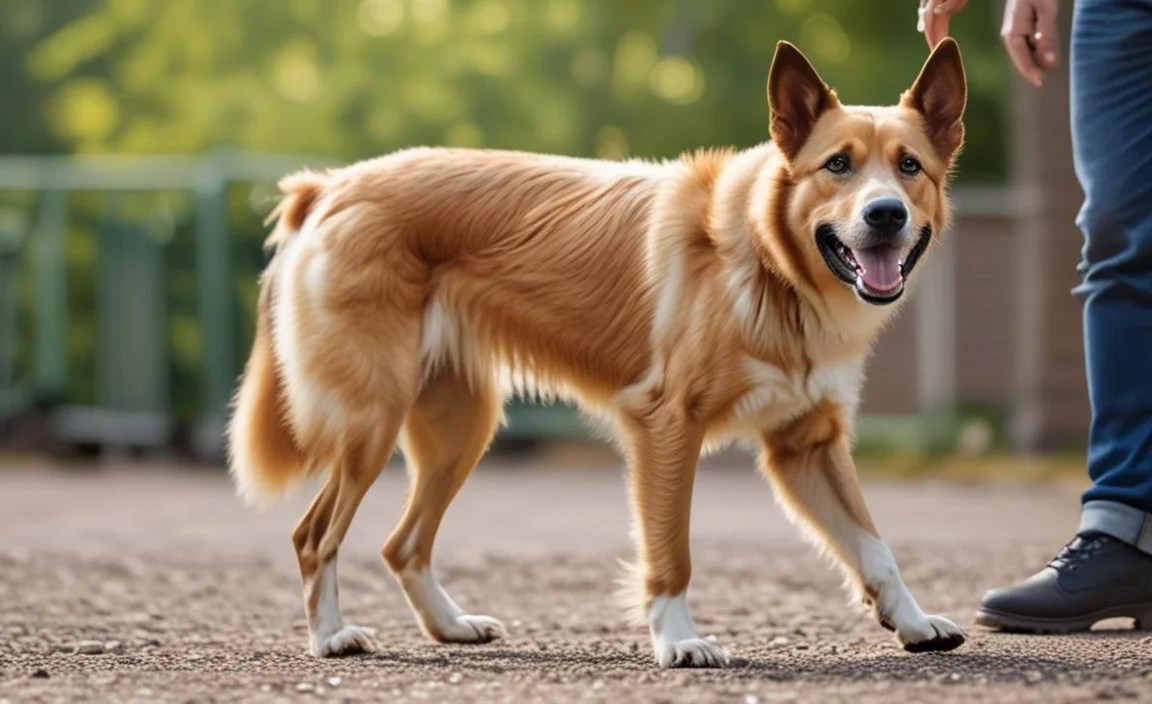
While some minor instances of aggression can be managed with dedicated owner effort and appropriate training techniques, severe or persistent aggression, especially that involving biting, warrants professional intervention.
Veterinarian: Your first stop should always be your veterinarian. They can rule out any underlying medical conditions that might be contributing to the aggression. Pain or neurological issues can significantly impact a dog’s temperament.
Certified Professional Dog Trainer (CPDT-KA/SA): Look for a trainer with extensive experience in behavior modification and aggression. They can assess your dog, develop a personalized training plan, and guide you through the process.
Veterinary Behaviorist (DACVB): For complex or severe cases of aggression, a veterinary behaviorist is the most qualified professional. They are veterinarians who have specialized in animal behavior and can diagnose and treat behavioral disorders.
Effective Strategies for Managing Aggressive Dog Behavior

A good aggressive dog behavior guide will emphasize management and positive reinforcement. Punishment-based methods are generally discouraged when dealing with aggression, as they can often exacerbate fear and anxiety, leading to an increase in aggressive incidents.
1. Management: This involves preventing your dog from being put in situations where they are likely to exhibit aggression. This might include:
Using leashes and harnesses on walks to maintain control.
Crating or providing a safe space when visitors are over.
Separating dogs during mealtimes if resource guarding is an issue.
Avoiding triggers until professional help can be sought.
2. Desensitization and Counter-Conditioning (DSCC): This is a cornerstone of behavior modification for aggression.
Desensitization: Gradually exposing your dog to their trigger at a distance or intensity where they do not react aggressively.
* Counter-Conditioning: Pairing the trigger with something positive, like high-value treats or praise, to change your dog’s emotional response from negative (fear, anxiety) to positive (anticipation of good things). This process requires patience and a very gradual approach.
3. Training Basic Obedience: A solid foundation in basic commands like “sit,” “stay,” “come,” and “leave it” can provide you with better control and help redirect your dog’s attention in challenging situations.
4. Enrichment and Exercise: A bored or under-exercised dog is more likely to develop behavioral issues, including aggression. Ensure your dog receives adequate physical and mental stimulation through walks, playtime, puzzle toys, and training sessions.
5. Socialization (with caution): For puppies, early and positive socialization is crucial for preventing future aggression. For adult dogs with aggression issues, socialization needs to be approached very carefully and often under the guidance of a professional to avoid negative experiences.
Prevention is Key

The best approach to aggressive dog behavior is to prevent it from developing in the first place. Responsible breeding, early socialization, consistent training, and understanding your dog’s needs are vital for raising a well-adjusted canine companion.
Conclusion
Aggressive dog behavior is a serious concern, but with understanding, patience, and the right professional guidance, it can often be managed effectively. Remember that your dog is communicating their distress, and your role is to help them find a better way to cope. By approaching the issue with empathy and a commitment to positive methods, you can build a stronger, safer, and more loving bond with your dog.

Meet Elyse Colburn, the devoted canine companion and storyteller behind the enchanting world of “Tales, Tails, and Adventures Unleashed.” A passionate dog enthusiast with a heart full of paw prints, Elyse Colburn shares heartwarming tales and insightful adventures, celebrating the joy, loyalty, and endless antics that make every dog a true hero. Join Elyse Colburn on this tail-wagging journey, where every post is a love letter to our four-legged friends.