
Aggressive dog behavior at home can be a distressing and even dangerous situation for any pet owner. It’s a problem that many grapple with, leading to feelings of frustration, fear, and helplessness. However, understanding the root causes and implementing the right strategies can transform your home environment and restore peace and harmony for both you and your canine companion.
Understanding the Nuances of Aggressive Dog Behavior at Home

Before diving into solutions, it’s crucial to recognize that “aggression” isn’t a monolithic concept. Dogs exhibit aggression for a multitude of reasons, and pinpointing the specific trigger is the first step towards effective resolution. These triggers can range from fear and anxiety to territoriality, resource guarding, frustration, pain, or even learned behaviors.
Fear-based aggression is often a reaction to something perceived as a threat. This could be a stranger entering the home, a loud noise, or even seemingly innocuous objects or situations that have been associated with a negative experience. The dog’s intent is to create distance from the perceived threat, and aggression is their way of achieving that.
Territorial aggression manifests when a dog feels their personal space or resources are being invaded. This can extend to their yard, their favorite spot on the couch, or even their owner. They might bark, growl, lunge, or even bite to ward off perceived intruders.
Resource guarding is a specific form of territorial aggression where a dog protects valuable items such as food, toys, or even attention from companions. This can be a deeply ingrained instinct, and the dog perceives any attempt to take their prized possession as a threat.
Frustration-induced aggression often arises when a dog is unable to reach a desired goal, such as seeing a squirrel through the window that they cannot chase, or being unable to greet another dog. This pent-up energy and frustration can erupt as aggressive outbursts.
Pain or illness can also be a significant contributor to aggressive behavior. A dog that is experiencing discomfort might lash out when touched or approached, as they associate interaction with pain. This is why a veterinary check-up is paramount when sudden behavioral changes occur.
Identifying the Triggers for Aggressive Dog Behavior at Home

The key to solving aggressive dog behavior at home lies in meticulous observation and understanding of your dog’s unique communication signals. Before any intervention, document when, where, and with whom the aggression occurs.
Observe Body Language: Dogs communicate their emotions through subtle cues before resorting to overt aggression. Look for lip licking, yawning, turning their head away, stiffening of the body, a raised hackle, or a hard stare. These are often precursors to a growl or a lunge.
Environment Analysis: Is the aggression happening in specific areas of the house? Is it when certain people or other animals are present? Does it occur during particular activities, like feeding or greeting guests?
Timing is Crucial: Note the time of day, the duration of the incident, and what happened immediately before and after the aggressive episode. This detailed log will be invaluable for you and any professional you consult.
Strategies for Effortlessly Solving Aggressive Dog Behavior at Home

Once you have a better understanding of the type and triggers of your dog’s aggression, you can begin to implement strategies. Remember, “effortlessly” in this context means effectively and efficiently, not that it requires no effort on your part. Patience and consistency are your most powerful tools.
1. Management and Prevention:
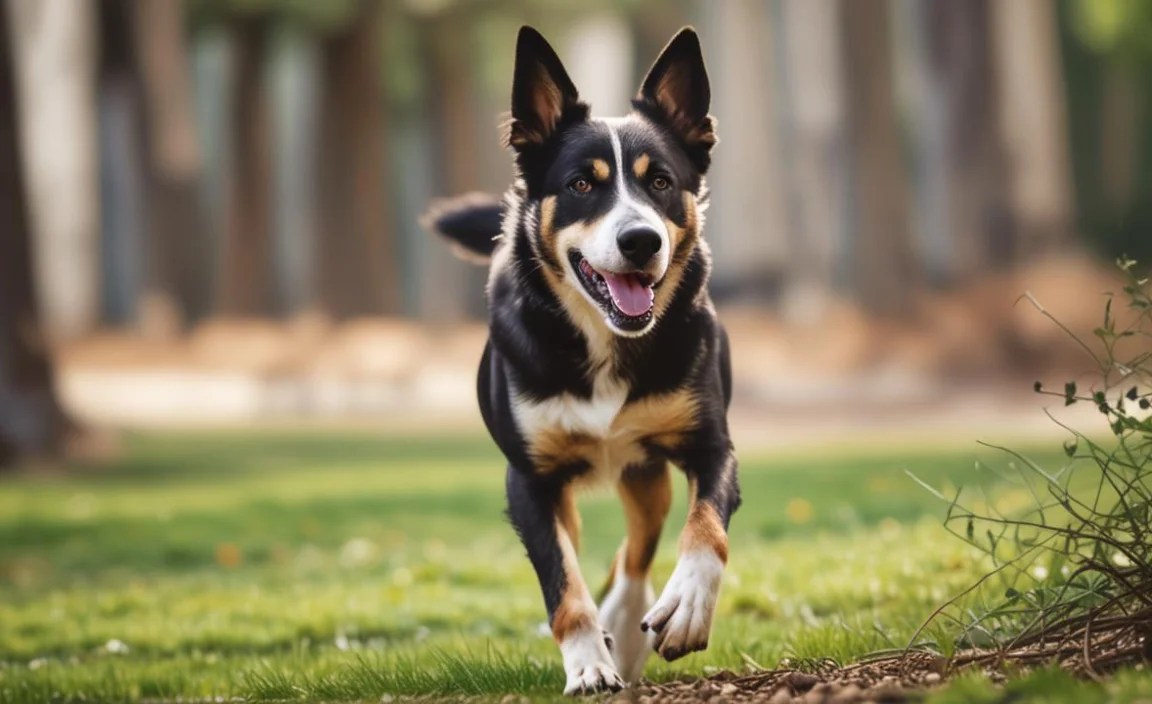
The immediate priority is to prevent any further aggressive incidents. This involves management strategies that ensure safety for everyone involved.
Create Safe Spaces: Designate areas where your dog can retreat and feel secure, free from potential triggers. This could be a crate, a bed in a quiet corner, or a separate room.
Leash and Muzzle Training: For dogs exhibiting aggression towards people or other animals, appropriate leash use and introduction to a basket muzzle (for safe management during walks or controlled introductions) can prevent incidents and allow for training to occur safely.
Avoid Triggers: If you know a specific situation provokes aggression, avoid placing your dog in that situation until you have a training plan in place. For example, if your dog is territorial towards visitors, manage them in a separate room with a high-value chew toy when guests arrive.
2. Positive Reinforcement Training:

This is the cornerstone of modifying aggressive behaviors. The goal is to change your dog’s emotional response from negative to positive.
Desensitization and Counter-Conditioning: This involves gradually exposing your dog to the trigger at a very low intensity (desensitization) while simultaneously pairing it with something highly rewarding, like tasty treats or praise (counter-conditioning). For example, if your dog barks aggressively at the doorbell, start by ringing the bell very softly from a distance, rewarding your dog for remaining calm. Gradually increase the intensity of the ring and proximity of the stimulus as your dog improves.
Reward Calmness: Actively reward your dog for calm behavior, especially in situations that might normally lead to aggression. Catch them being good!
Teach Alternative Behaviors: Train your dog alternative, incompatible behaviors to aggression. For instance, teach a solid “go to your mat” command or a “look at me” cue. This redirects their focus and provides them with an acceptable outlet for their energy.
3. Addressing Underlying Issues:

Veterinary Consultation: As mentioned, ruling out medical conditions is crucial. Pain, discomfort, or neurological issues can manifest as aggression.
Anxiety and Fear Management: If fear or anxiety is a primary driver, management strategies might involve creating a more predictable routine, providing enrichment activities, and potentially consulting with your vet about calming supplements or environmental pheromones.
Professional Guidance: For serious or persistent aggressive dog behavior at home, seeking professional help is highly recommended. A certified professional dog trainer (CPDT-KA/KSA) or a veterinary behaviorist can provide personalized assessment and a tailored behavior modification plan. They can help you understand the nuances of your dog’s aggression and guide you through the training process safely and effectively.
The Path to a Peaceful Home

Solving aggressive dog behavior at home is a journey that requires commitment, patience, and a deep understanding of your dog. By diligently observing, managing, and employing positive, science-based training methods, you can effectively address these issues. Remember that your dog is communicating their distress or discomfort, and with the right approach, you can help them learn to cope and thrive in a safe and loving environment. The rewards are a stronger bond with your pet and a truly peaceful home.

Meet Elyse Colburn, the devoted canine companion and storyteller behind the enchanting world of “Tales, Tails, and Adventures Unleashed.” A passionate dog enthusiast with a heart full of paw prints, Elyse Colburn shares heartwarming tales and insightful adventures, celebrating the joy, loyalty, and endless antics that make every dog a true hero. Join Elyse Colburn on this tail-wagging journey, where every post is a love letter to our four-legged friends.