
Aggressive dog behavior solutions require patience, understanding, and a systematic approach to both identify the root cause and implement effective strategies for change. Dogs exhibit aggression for a myriad of reasons, ranging from fear and anxiety to resource guarding, territoriality, pain, or even learned behaviors. Recognizing these underlying triggers is the crucial first step in developing a plan to address the issue. Without a proper diagnosis, any intervention is akin to treating a symptom without understanding the disease, often leading to frustration for both owner and canine.
Understanding the Nuances of Aggressive Dog Behavior

Before diving into specific aggressive dog behavior solutions, it’s vital to understand that aggression isn’t a monolithic entity. It manifests in various forms:
Fear-based aggression: This is arguably the most common. A dog that feels threatened, cornered, or overwhelmed will lash out to create distance. This can be directed at strangers, other animals, or even familiar people in certain situations.
Resource guarding: Dogs have a natural instinct to protect their prized possessions, be it food, toys, a favorite resting spot, or even their owner. When this instinct becomes excessive, they may display growling, snapping, or biting if another being approaches their “resource.”
Territorial aggression: This is often seen when a dog perceives a threat to its home, yard, or even its car. Strangers, delivery people, or unfamiliar animals entering their perceived territory can elicit this response.
Pain-related aggression: A dog experiencing physical discomfort or pain might react aggressively when touched in a sensitive area or when the pain is exacerbated by a movement. This can be a subtle sign a dog is unwell.
Predatory aggression: While less common in domestic settings and usually directed at small, fast-moving objects rather than humans, this instinct can sometimes be misidentified.
Frustration-based aggression: This can occur when a dog is unable to perform a desired action, such as reaching another dog through a fence or escaping a confined space.
The Foundation of Effective Aggressive Dog Behavior Solutions
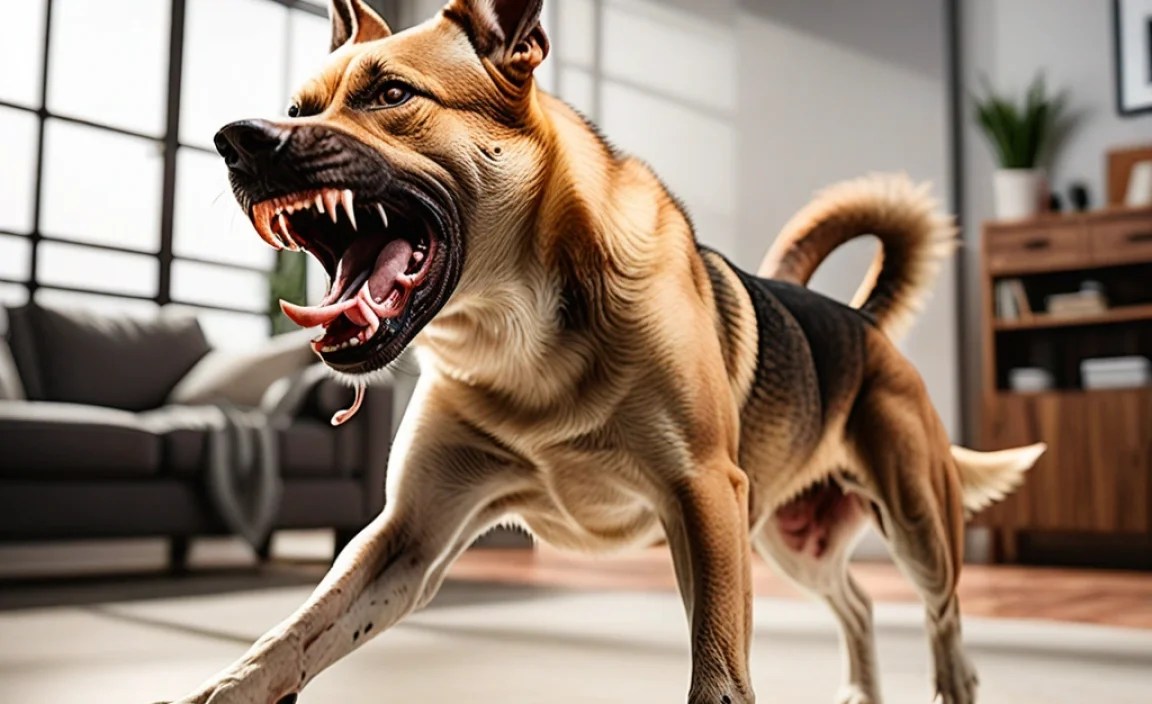
The cornerstone of any successful intervention lies in establishing a strong bond built on trust and clear communication. This involves understanding canine body language – the subtle cues that indicate a dog’s emotional state. A dog that is stressed might show lip licking, yawning, whale eye (showing the whites of their eyes), or a tucked tail. Ignoring these signals and pushing the dog into a situation that makes them uncomfortable will only escalate the problem.
Implementing Masterful Aggressive Dog Behavior Solutions
Once the potential cause of aggression has been identified, either through professional assessment or diligent observation, a tailored plan can be put into action. Here are some key strategies that form the basis of effective aggressive dog behavior solutions:
Positive Reinforcement and Desensitization
One of the most powerful tools at our disposal is positive reinforcement. This involves rewarding desired behaviors, making them more likely to occur. For a dog exhibiting fear-based aggression towards strangers, for instance, a desensitization and counter-conditioning program can be incredibly effective. This means gradually exposing the dog to the trigger (the stranger) at a distance where they don’t react, while simultaneously associating the trigger with something positive, like high-value treats or praise. As the dog becomes more comfortable, the distance is slowly decreased. The key here is gradual progression and never forcing the dog beyond their comfort zone.
Management and Environmental Modification
While training is crucial, effective management is equally important, especially in the initial stages. This involves preventing situations that trigger the dog’s aggressive behavior. For a resource guarding dog, this might mean feeding them separately or removing valuable toys when people or other animals are around. For a territorial dog, it could involve blocking their view of the street or ensuring they are securely leashed and under control when outside. Environmental modifications can go a long way in reducing stress and preventing unwanted incidents.
Building Confidence and Socialization (Carefully)
Many aggressive behaviors stem from a lack of confidence. Engaging your dog in activities that build their confidence, such as puzzle toys, scent work, or learning new tricks using positive reinforcement, can be beneficial. For dogs who are fearful or anxious around other dogs, carefully managed and positive socialization experiences are vital. However, this must be done with extreme caution, starting with controlled interactions and ensuring the dog doesn’t feel overwhelmed. Group classes specifically designed for anxious or reactive dogs under the guidance of a qualified professional are often a safe and effective environment for this.
Addressing Underlying Medical Issues
As mentioned earlier, pain or discomfort can be a significant contributor to aggression. If there has been a sudden onset or change in aggressive behavior, a thorough veterinary examination is paramount. Ruling out any underlying medical conditions, such as arthritis, neurological issues, or infections, is a critical step in any comprehensive approach to aggressive dog behavior solutions.
When to Seek Professional Help
It’s important to acknowledge that not all aggressive behaviors can be safely or effectively managed by a layperson. For severe aggression, or when aggression is directed towards humans with high bite potential, seeking the guidance of a certified professional dog trainer, a veterinary behaviorist, or a certified applied animal behaviorist is essential. These professionals have the expertise to accurately diagnose the underlying causes, develop a safe and individualized behavior modification plan, and provide ongoing support. They can also guide owners on when and how to safely introduce management tools like muzzles if necessary, as a temporary safety measure.
Ultimately, addressing aggressive dog behavior is a journey. It requires dedication, consistency, and a compassionate understanding of your dog’s needs and limitations. By employing these aggressive dog behavior solutions with patience and the right professional guidance, you can foster a safer, happier, and more harmonious relationship with your canine companion.
Related Posts




Meet Elyse Colburn, the devoted canine companion and storyteller behind the enchanting world of “Tales, Tails, and Adventures Unleashed.” A passionate dog enthusiast with a heart full of paw prints, Elyse Colburn shares heartwarming tales and insightful adventures, celebrating the joy, loyalty, and endless antics that make every dog a true hero. Join Elyse Colburn on this tail-wagging journey, where every post is a love letter to our four-legged friends.