
Calm aggressive dog fast is a goal many pet parents strive for, and thankfully, it’s an achievable one with the right approach. Understanding the root causes of aggression and implementing effective strategies can transform your dog’s behavior and create a more harmonious living environment. It’s important to remember that “aggression” in dogs is often a complex emotional response, stemming from fear, frustration, anxiety, or a learned behavior, rather than a deliberate act of malice. Therefore, approaching these situations with patience, consistency, and a deep understanding of canine communication is paramount. This article will delve into the common triggers of aggression, provide actionable steps to manage and modify aggressive behavior, and highlight the importance of professional guidance.
Decoding the Triggers: Why Does My Dog Act Aggressively?
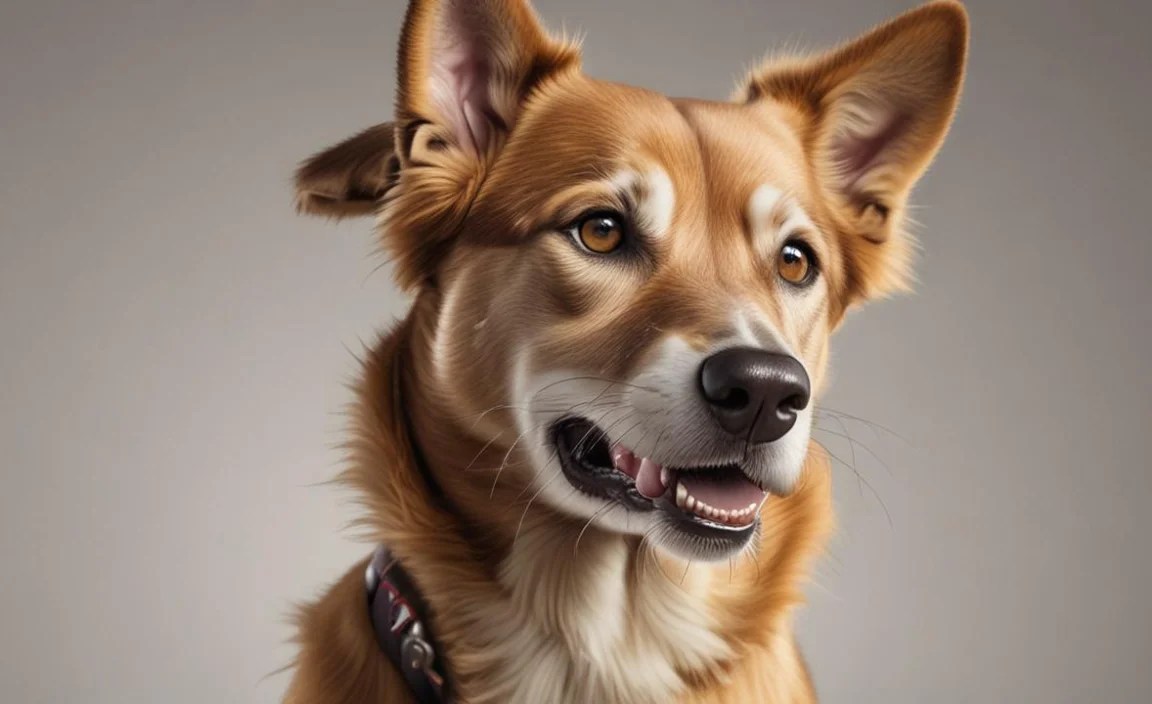
Before we can effectively address aggressive behavior, we need to identify what might be triggering it. Dogs don’t typically lash out without reason. Common triggers include:
Fear and Anxiety: This is perhaps the most prevalent cause. A dog that feels threatened, overwhelmed, or insecure may react aggressively to create distance or defend itself. This can manifest as resource guarding (food, toys, favored resting spots), territorial defensiveness, or even fear-based aggression towards unfamiliar people or animals.
Frustration: When a dog is prevented from reaching a goal, such as greeting another dog they desperately want to interact with but are being held back from, it can lead to frustration-induced aggression. This is often seen on leash.
Pain or Medical Issues: Underlying medical conditions, even subtle ones, can cause pain and irritability, leading to increased aggression. A sudden onset of aggression should always prompt a veterinary check-up.
Socialization Deficiencies: Dogs that were not adequately exposed to a variety of sights, sounds, people, and other animals during their critical socialization period (typically between 3-16 weeks of age) may develop fear or anxiety towards novel stimuli later in life.
Possessiveness/Resource Guarding: This occurs when a dog perceives that someone or something (a toy, food, a person) is about to be taken away. They may exhibit behaviors like growling, snapping, or even biting to protect their perceived possession.
Inter-dog Aggression: This can be triggered by various factors including competition for resources, territorial disputes, social misunderstandings with other dogs, or simply a lack of proper canine social skills.
Leash Reactivity: This specific form of aggression involves dogs exhibiting aggressive behaviors (barking, lunging, growling) towards other dogs, people, or even vehicles while on a leash. The leash itself can contribute to frustration, as it prevents the dog from fully investigating or escaping the trigger.
Implementing Strategies to Calm Aggressive Dog Fast

Achieving a calmer, aggressive dog fast isn’t about instant fixes but rather about rapidly implementing effective management and training techniques. The speed of results often depends on the severity of the aggression, their underlying cause, and your commitment to the training process.
1. Management is Key (Preventing Outbreaks): The first and most crucial step is to prevent your dog from practicing aggressive behaviors. Every time they react aggressively and achieve their desired outcome (e.g., the other dog goes away), the behavior is reinforced.
Identify and Avoid Triggers: Keep a log of when and where your dog shows aggression. What was happening around them? Who or what was present? Once you know the triggers, actively avoid them. For example, if your dog is reactive to other dogs on walks, walk during quieter hours or in less populated areas.
Create Safe Spaces: Ensure your dog has a comfortable, secure area where they can retreat and feel safe. This could be a crate, a specific room, or a bed. never force them out of this space.
Leash Technique: If leash reactivity is an issue, use a well-fitting harness (front-clip harnesses can offer better control) and avoid retractable leashes. Practice loose-leash walking techniques away from triggers.
2. Desensitization and Counter-Conditioning (Changing the Emotional Response): This is the cornerstone of behavior modification for aggression. It involves gradually exposing your dog to their triggers at a distance where they don’t react, and pairing that exposure with positive reinforcement (treats, praise, favorite toys).
Desensitization: Start by exposing your dog to the trigger at a distance where they notice it but don’t show overt signs of aggression. For instance, if they bark at other dogs, start by being in a park far away from where dogs might be.
Counter-Conditioning: As soon as your dog sees the trigger (at that safe distance), immediately give them a high-value treat. When the trigger disappears, the treats stop. The goal is to change your dog’s emotional association with the trigger from negative (fear, anxiety) to positive (anticipation of treats).
Gradual Progression: Slowly decrease the distance to the trigger over many sessions, always staying below the threshold where your dog feels the need to react aggressively. If your dog shows even a small sign of stress (stiffening, whale eye), you’ve moved too fast and need to increase the distance again.
3. Positive Reinforcement Training (Building Confidence and Obedience): A well-trained dog is generally a more confident and manageable dog. Basic obedience commands like “sit,” “stay,” and “come” are vital. More importantly, teaching an impulse control exercise like “leave it” or “wait” can be incredibly helpful in preventing a dog from fixating on a trigger.
Focus on “Look at That” (LAT) Game: This LAT game is a prime example of counter-conditioning. When your dog sees their trigger, you say “yes!” (or use a clicker) and give them a treat. The goal is for them to look at the trigger, then look back at you, expecting a reward. This redirects their focus and builds a positive association.
4. Understanding Canine Body Language: Learning to read your dog’s subtle cues is critical for preventing escalation. A dog that is starting to feel uncomfortable might flick their tongue, yawn, avert their gaze, or even just freeze. Recognizing these early signs allows you to intervene before a growl or snap occurs.
When to Seek Professional Help for Your Aggressive Dog

While these strategies can be effective, it’s crucial to acknowledge that some cases of canine aggression require professional intervention. Calm aggressive dog fast is more likely to be achieved with expert guidance.
Veterinary Consultation: As mentioned, rule out any underlying medical issues that could be contributing to the aggression.
Certified Professional Dog Trainer (CPDT-KA or CPDT-KSA) or Veterinary Behaviorist (DACVB): For moderate to severe aggression, or if you’re not seeing progress, consult a qualified professional. Look for individuals who use positive reinforcement-based methods and have experience with aggression cases. They can provide a personalized training plan, assess the severity of the aggression, and guide you through the process safely.
* Safety First: If there is any risk of injury to people or other animals, work with a professional immediately. Your dog’s safety, your safety, and the safety of others should always be the top priority.
Transforming an aggressive dog into a calm and confident companion is a journey. It requires dedication, patience, and a willingness to understand your dog’s perspective. By employing effective management techniques, implementing consistent training with positive reinforcement, and seeking professional help when needed, you can significantly improve your dog’s behavior and foster a more peaceful, joyful relationship.

Meet Elyse Colburn, the devoted canine companion and storyteller behind the enchanting world of “Tales, Tails, and Adventures Unleashed.” A passionate dog enthusiast with a heart full of paw prints, Elyse Colburn shares heartwarming tales and insightful adventures, celebrating the joy, loyalty, and endless antics that make every dog a true hero. Join Elyse Colburn on this tail-wagging journey, where every post is a love letter to our four-legged friends.