
Dominance in older dogs: Solve issues now, before they become ingrained habits. It’s a common misconception that behavioral problems, particularly those related to dominance, only emerge in younger canines. However, as dogs age, shifts in their environment, their physical capabilities, or even subtle changes in household dynamics can bring about new challenges. Addressing these canine dominance issues in older dogs promptly is crucial for maintaining peace in your home and ensuring your senior companion continues to live a comfortable and happy life.
Many owners might be surprised to see a dog they’ve known for years suddenly exhibiting what appears to be assertive or even aggressive behavior. This doesn’t necessarily mean your dog has fundamentally changed their personality overnight. Instead, it’s often a sign that something in their world has changed, and they are responding to it in a way that manifests as dominance. It could be a new pet in the house, a new baby, a change in your work schedule, or even a decline in their own cognitive function or physical strength which can lead to anxiety and insecurity.
Understanding the Nuances of Canine Dominance in Senior Dogs

When we talk about canine dominance issues in older dogs, it’s important to move beyond the simplistic “alpha” notion. True canine dominance is complex and context-dependent. In senior dogs, what appears as dominance might be rooted in:
Anxiety and Fear: As dogs age, their senses can diminish, they might experience cognitive decline (similar to dementia in humans), or develop chronic pain. These can make them feel vulnerable and insecure, leading them to display behaviors like territoriality, resource guarding (food, toys, even their favorite spot on the couch), or snapping when approached unexpectedly. This isn’t intentional malice; it’s a defense mechanism.
Learned Behavior: If a dog has learned that a certain assertive posture or bark gets them what they want – be it attention, space, or a preferred resource – they will continue to use that tactic, especially if it has been inadvertently reinforced over time. Older dogs have had more time to perfect these “skills.”
Physical Limitations: A dog that once could physically retreat or assert themselves with ease might now struggle due to arthritis or other mobility issues. This can lead to frustration and a quicker resort to less physical, more vocal or posture-based assertive behaviors.
Changes in Household Hierarchy: Even subtle shifts, like a child maturing and asserting more independence, can alter the perceived social structure for a dog. They might be attempting to re-establish their place or test boundaries.
Identifying the Signs of Dominance Issues

Recognizing the signs early is key to effective intervention. Look out for:
Resource Guarding: Growling, snapping, or stiffening their body when you or another pet approaches their food bowl, toys, or resting area.
Territorial Behavior: Excessive barking at people or animals passing by the house, or becoming agitated when someone enters their “space.”
Demanding Attention: Persistent nudging, pawing, or barking until they get your attention, sometimes even pushing other pets or people aside.
Disobedience to Commands: Ignoring cues they once responded to, especially in situations where they feel challenged or anxious.
Stiff Body Language: Standing tall, tail held high and possibly wagging stiffly, direct eye contact, bristling fur, and lip curling.
Pushing Boundaries: Trying to get on furniture they weren’t allowed on before, or trying to go through doors before you.
Strategies to Solve Canine Dominance Issues in Older Dogs

When dealing with canine dominance issues in older dogs, patience, consistency, and a focus on positive reinforcement are paramount.
1. Rule Out Medical Issues First

Before assuming a behavioral problem, it is absolutely imperative to have your senior dog thoroughly examined by a veterinarian. Pain, vision or hearing loss, and neurological conditions can all mimic or exacerbate dominance-related behaviors. Addressing underlying medical conditions can often resolve the apparent behavioral issues.
2. Reinforce Basic Obedience and Establish Clear Boundaries

Even in older dogs, revisiting basic obedience commands is beneficial. Use positive reinforcement techniques (treats, praise, gentle petting) to reward desired behaviors.
“Leave It” and “Drop It”: Essential for managing resource guarding.
“Stay” and “Come”: Reinforces your control and their responsiveness.
“Off”: To remove them from furniture or situations you deem inappropriate.
Consistently enforce house rules. If the senior dog is not allowed on the sofa, ensure this rule is applied at all times, by all family members. Inconsistency is confusing and can lead to attempts to test boundaries.
3. Manage the Environment

Preventing situations that trigger dominant or anxious behavior is crucial.
Feeding: Feed your dog at a set time and place where they won’t be disturbed. You can even practice having them “wait” for their food.
Toys and Valued Possessions: If resource guarding is an issue, supervise interactions with toys. Consider putting away highly prized toys when not in use. You can also practice “trading” toys for higher-value treats to teach them that relinquishing a toy can be rewarding.
Personal Space: Designate a comfortable, secure resting spot for your dog where they are not to be disturbed. Teach other family members and pets to respect this space.
4. Address Anxiety and Insecurity

If anxiety is fueling the perceived dominance, work on building your dog’s confidence.
Predictable Routine: Senior dogs often thrive on routine. Knowing when to expect meals, walks, and quiet time can reduce anxiety.
Enrichment: Gentle puzzle toys or scent games can provide mental stimulation without being overly taxing physically.
* Calming Aids: Discuss with your vet the possibility of calming supplements, pheromone diffusers, or anti-anxiety medication if the issues are severe.
5. Socialization (with Caution)
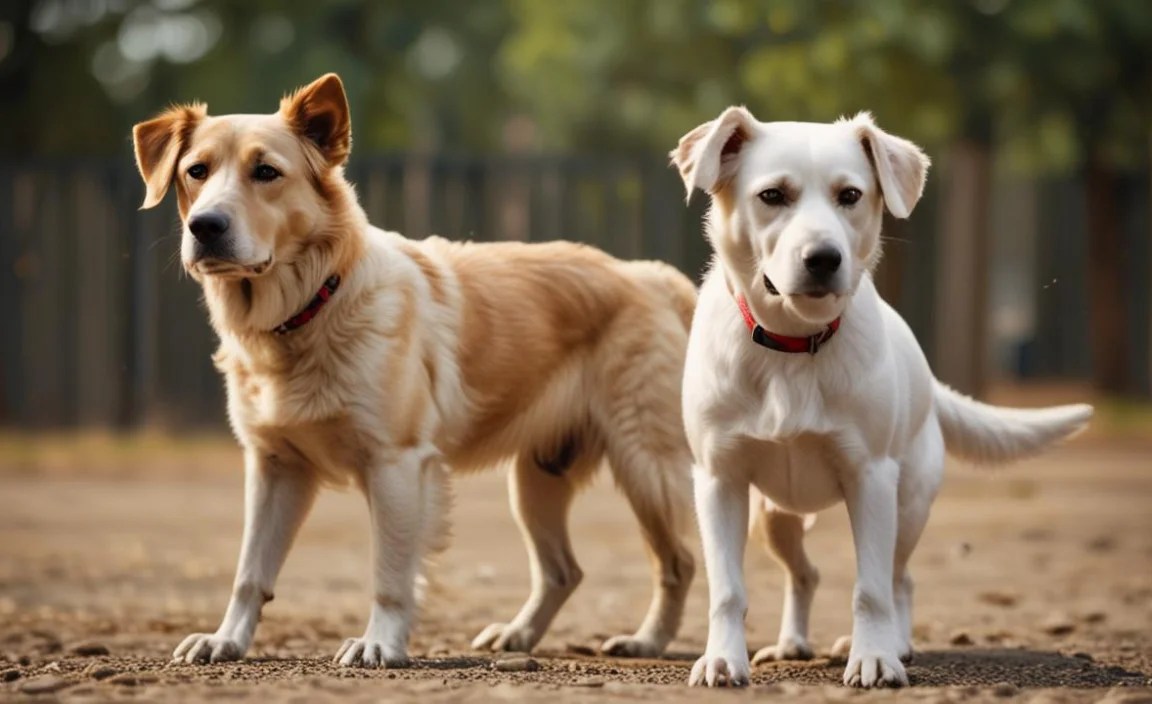
While full-blown socialization might not be appropriate for all senior dogs, controlled positive interactions with calm, well-behaved dogs or people can help reduce fear-based reactivity. Ensure these interactions are positive and not overwhelming.
6. Seek Professional Help

If you are struggling to identify the root cause or manage the behaviors effectively, do not hesitate to consult a certified professional dog trainer or a veterinary behaviorist. They can provide personalized strategies tailored to your dog’s specific needs and your household situation. They understand the complexities of canine dominance issues in older dogs and can offer expert guidance.
While it can be disheartening to face new behavioral challenges with a beloved senior dog, remember that these issues are often solvable. By approaching the situation with understanding, patience, and the right strategies, you can help your older companion navigate their golden years with dignity, confidence, and continued companionship.

Meet Elyse Colburn, the devoted canine companion and storyteller behind the enchanting world of “Tales, Tails, and Adventures Unleashed.” A passionate dog enthusiast with a heart full of paw prints, Elyse Colburn shares heartwarming tales and insightful adventures, celebrating the joy, loyalty, and endless antics that make every dog a true hero. Join Elyse Colburn on this tail-wagging journey, where every post is a love letter to our four-legged friends.