
Dog behavioral training advice can seem like a daunting task, conjuring images of countless hours of repetitive drills and frustrating setbacks. However, the reality is far more accessible and, dare we say, effortless. With the right approach, understanding, and a sprinkle of patience, transforming your canine companion’s actions from chaotic to considerate is well within reach. This isn’t about forcing obedience; it’s about building a foundation of clear communication and mutual respect, leading to a harmonious life together.
Understanding the “Why” Behind the Behavior

Before diving into specific training techniques, it’s crucial to understand why your dog is exhibiting certain behaviors. Unlike humans, dogs don’t act out of spite or malice. Their actions stem from instinct, learned experiences, unmet needs, or a lack of understanding.
Instinct: Many behaviors, like digging, herding, or barking, are deeply ingrained canine instincts. Understanding these can help you channel them appropriately rather than simply trying to suppress them. For instance, a dog that loves to dig might benefit from a designated “digging pit” in the yard.
Learned Behavior: Dogs are excellent at learning. If a behavior has been inadvertently reinforced (even with negative attention), they’re likely to repeat it. For example, a dog that jumps up for attention gets attention, reinforcing the jumping.
Unmet Needs: Boredom, lack of exercise, anxiety, or inadequate socialization can all trigger undesirable behaviors. A tired dog is a good dog, and ensuring your furry friend gets enough physical and mental stimulation is a cornerstone of good behavior.
Communication: Sometimes, your dog is simply trying to communicate something to you. Excessive barking might signal boredom or a need to go outside, while destructive chewing could indicate frustration or anxiety.
Key Principles for Effortless Dog Behavioral Training Advice
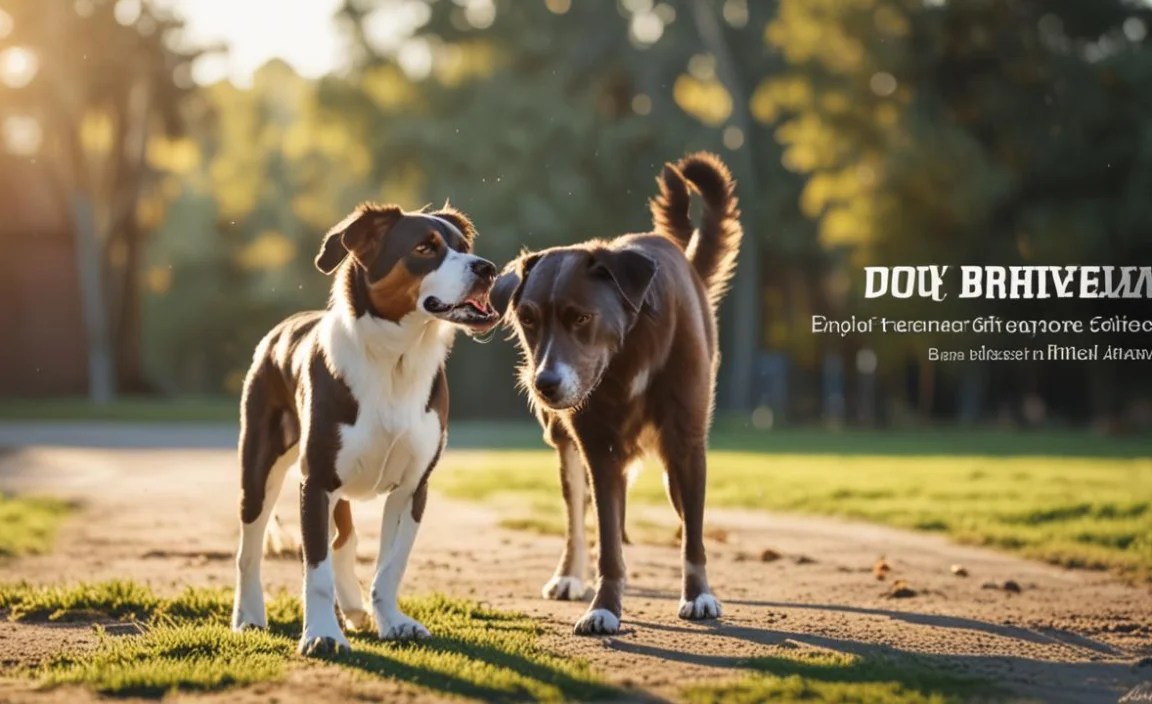
The most effective dog behavioral training advice is built on a few core principles:
Positive Reinforcement: This is the backbone of modern, humane dog training. It involves rewarding desired behaviors with something your dog values, such as treats, praise, toys, or petting. This creates a positive association with the action, making it more likely to be repeated. Punishment, on the other hand, can lead to fear, anxiety, and a damaged relationship.
Consistency is Key: Every member of the household needs to be on the same page with commands, rules, and rewards. Inconsistency confuses dogs and hinders progress. If “off” means get down sometimes and other times it’s ignored, your dog will struggle to learn.
Clear Communication: Dogs don’t understand human language in the same way we do. They respond to tone of voice, body language, and consistent verbal cues. Use short, clear commands and deliver them with a confident, positive tone.
Patience and Realistic Expectations: Every dog learns at their own pace. Some behaviors can be modified quickly, while others require more time and dedication. Avoid getting discouraged by slow progress; celebrate small victories along the way.
Addressing Common Behavioral Challenges with Ease

Let’s explore how these principles can be applied to some common behavioral issues:
House Training and Potty Accidents

This is often the first hurdle for new dog owners. Effortless dog behavioral training advice for house training involves:
Frequent Opportunities: Take your puppy or new dog out very frequently, especially after waking up, after meals, and before bedtime.
Designated Spot: Always take them to the same spot in the yard.
Positive Reinforcement: When they eliminate in the right spot, offer immediate and enthusiastic praise and a high-value treat.
Supervision and Interruption: Supervise closely when indoors. If you catch them in the act, interrupt with a gentle “uh-oh” and immediately take them outside to their designated spot. Clean up accidents thoroughly with an enzymatic cleaner to eliminate odors that might attract them back to the same spot.
Leash Pulling: Enjoying Walks Together

A dog that pulls on the leash can turn a enjoyable walk into a tug-of-war. Here’s dog behavioral training advice to make walks more pleasant:
Loose Leash Walking: Reward your dog with a treat and praise when the leash is slack. If they pull, stop walking. Only resume when the leash loosens.
Front-Clip Harnesses: These can be very effective tools for discouraging pulling by redirecting the dog’s momentum back towards you.
Positive Association with the Leash: Make getting the leash a positive experience, not a precursor to conflict.
Excessive Barking: Finding Their Voice Appropriately
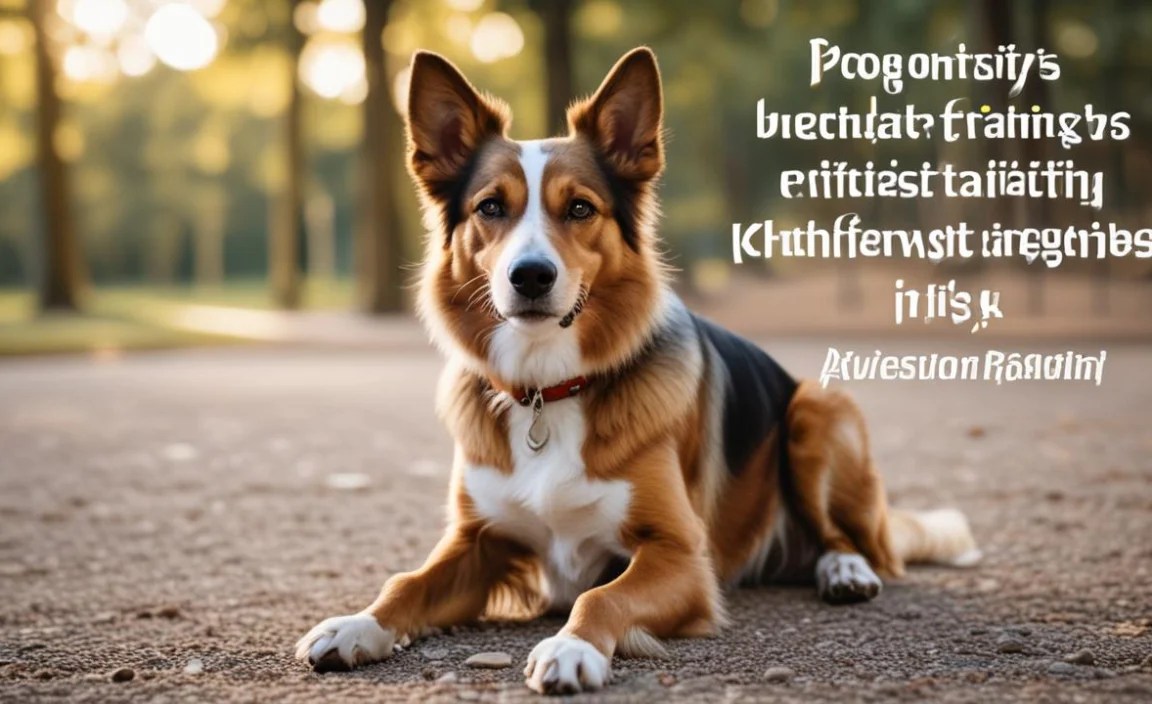
Barking is a natural canine behavior, but excessive barking can be disruptive.
Identify the Cause: Is it boredom, attention-seeking, territoriality, or anxiety? Addressing the root cause is essential.
Ignore Attention-Seeking Barks: If your dog barks for attention, do not acknowledge them until they are quiet. The moment they stop barking, offer praise and attention.
“Quiet” Command: Teach a “quiet” command by rewarding them when they stop barking.
Destructive Chewing: Redirecting Their Instincts

Chewing is a normal and healthy activity for dogs, especially puppies, but it can become destructive.
Provide Appropriate Chew Toys: Offer a variety of safe and engaging chew toys. Rotate them to keep them interesting.
Dog-Proof Your Home: Remove temptations like shoes, socks, and electrical cords from your dog’s reach.
Supervise and Redirect: If you catch your dog chewing something inappropriate, redirect them to an appropriate chew toy.
The Power of Play in Dog Behavioral Training Advice

Don’t underestimate the power of play! Playtime is not just fun; it’s a vital part of dog behavioral training advice. It helps:
Burn Energy: A physically and mentally stimulated dog is less likely to develop problem behaviors.
Bond with Your Dog: Play strengthens the human-animal bond and builds trust, which is crucial for effective training.
Teach Skills in a Fun Way: Games like fetch, hide-and-seek, and puzzle toys can be incorporated into training sessions, making learning enjoyable.
When to Seek Professional Help

While most behavioral issues can be addressed with consistent, positive training, some may require professional intervention. If you’re dealing with aggression, severe anxiety, or a behavior that isn’t improving despite your best efforts, consult a certified professional dog trainer or a veterinary behaviorist. They can provide personalized dog behavioral training advice tailored to your dog’s specific needs and circumstances.
Ultimately, transforming your dog’s behavior into something more manageable and enjoyable is less about finding complex solutions and more about applying simple, consistent principles with love and understanding. By focusing on positive reinforcement, clear communication, and meeting your dog’s needs, you’ll unlock a more effortless and rewarding relationship with your beloved canine companion.

Meet Elyse Colburn, the devoted canine companion and storyteller behind the enchanting world of “Tales, Tails, and Adventures Unleashed.” A passionate dog enthusiast with a heart full of paw prints, Elyse Colburn shares heartwarming tales and insightful adventures, celebrating the joy, loyalty, and endless antics that make every dog a true hero. Join Elyse Colburn on this tail-wagging journey, where every post is a love letter to our four-legged friends.