
When you bring a new dog into your home, the journey is filled with joy, endless love, and a healthy dose of challenges. Dog training at home is not just about teaching tricks; it’s about building a strong, communicative bond between you and your canine companion. Fortunately, many effective training solutions can be implemented right in your own living room, backyard, or local park, transforming common behavioral issues into teachable moments.
The foundation of successful dog behavioral training at home lies in understanding your dog’s natural instincts and motivations. Dogs thrive on routine, clear communication, and positive reinforcement. Consistency is paramount. Whether you’re addressing potty training, leash pulling, or excessive barking, applying the same principles and methods every single time will yield the best results.
Positive Reinforcement: The Cornerstone of Dog Training

The most effective and humane approach to dog behavioral training at home is positive reinforcement. This means rewarding desired behaviors rather than punishing unwanted ones. When your dog does something you like – sitting when asked, waiting at the door, or remaining calm around distractions – lavish them with praise, a tasty treat, or a favorite toy. This creates a positive association with the desired behavior, making them more likely to repeat it.
Treats: High-value treats, something your dog finds exceptionally enticing, are excellent motivators. These can be small pieces of chicken, cheese, or specially designed training treats.
Praise: Enthusiastic verbal praise, like “Good boy!” or “Yes!”, delivered in a happy tone, is a powerful motivator.
Play: A quick game of fetch or tug-of-war can also serve as a reward for a job well done.
Affection: Gentle petting and cuddles are also valuable rewards, especially for sensitive dogs.
The key is to deliver the reward immediately after the desired behavior occurs. This helps your dog understand exactly what they are being praised for. Timing is crucial in dog behavioral training at home.
Addressing Common Behavioral Challenges

Potty Training Success

One of the first big hurdles for new dog owners is potty training. Dog behavioral training at home techniques for this include:
Frequent Opportunities: Take your puppy or new dog outside frequently, especially after waking up, after meals, and before bedtime.
Designated Spot: Choose a specific spot in your yard and always take your dog there. The scent will encourage them to go.
Positive Reinforcement: When they eliminate in the correct spot, offer immediate praise and a treat.
Accident Management: If an accident happens indoors, don’t scold. Clean it up thoroughly with an enzymatic cleaner to eliminate odors that might attract them back to the same spot. Briefly interrupting the act with a clap and then immediately taking them outside can also be effective if caught in the act.
Leash Training: A Peaceful Walk
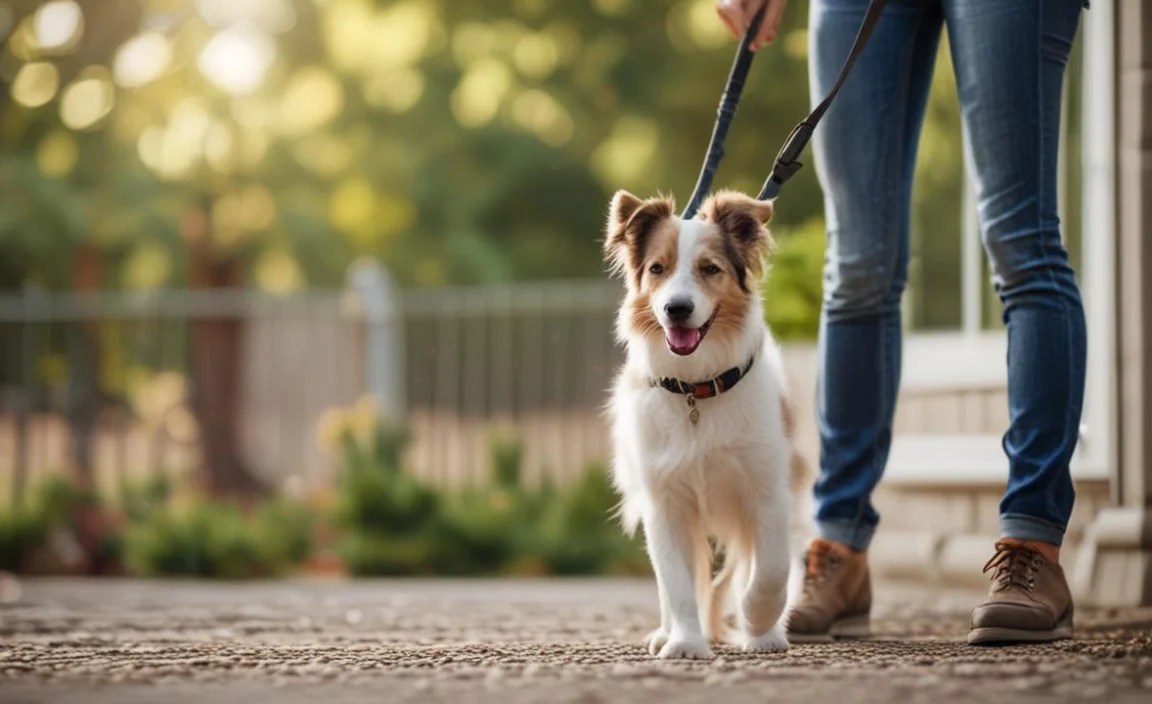
For many, walks can become a tug-of-war. Effective dog training at home strategies for leash pulling involve teaching your dog that walking nicely by your side is more rewarding.
Loose Leash Walking: When the leash is tight, stop walking. Only resume when the leash slackens. This teaches the dog that pulling stops the fun.
Rewarding Good Behavior: When your dog walks beside you with a loose leash, offer praise and treats.
Leash Pressure: Gently apply pressure to the leash to guide them back to your side if they stray too far ahead or to the side. Release the pressure once they return.
Managing Excessive Barking

Barking is a natural form of communication for dogs, but excessive barking can be disruptive. Dog behavioral training at home can help manage this:
Identify the Cause: Is your dog barking at triggers outside? Are they seeking attention? Are they bored? Understanding the “why” is the first step.
“Quiet” Command: Teach a “quiet” command. When your dog barks, wait for a brief pause, then say “Quiet” and reward them. Gradually increase the time they need to be silent before receiving the reward.
Desensitization and Counter-Conditioning: For barking at perceived threats (like people walking by the window), slowly expose them to the trigger from a distance where they don’t react. Reward them for remaining calm. Gradually decrease the distance.
* Ignore Attention Barking: If your dog barks for attention, turn away and ignore them until they are quiet. Then, give them the attention they crave. This teaches them that quiet behavior gets them what they want.
The Importance of Socialization

While not strictly dog behavioral training at home, proper socialization is crucial for developing a well-adjusted dog. Exposing your puppy to a variety of sights, sounds, people, and other well-behaved dogs in a positive way during their critical developmental period (roughly 3 to 16 weeks) can prevent future fear-based or reactivity issues. Even older dogs can benefit from continued, controlled socialization experiences.
When to Seek Professional Help

While many common issues can be addressed with consistent dog behavioral training at home, some behaviors can be complex or rooted in deeper anxieties. If you’re struggling with aggression, severe separation anxiety, or other serious behavioral problems, don’t hesitate to consult a certified professional dog trainer or a veterinary behaviorist. They can provide tailored guidance and help you develop a specialized training plan.
Ultimately, dog behavioral training at home requires patience, consistency, and a deep understanding of your dog’s needs. By employing positive reinforcement methods and addressing specific challenges with a structured approach, you can foster a harmonious life with your beloved canine companion, strengthening your bond with every successful training session.

Meet Elyse Colburn, the devoted canine companion and storyteller behind the enchanting world of “Tales, Tails, and Adventures Unleashed.” A passionate dog enthusiast with a heart full of paw prints, Elyse Colburn shares heartwarming tales and insightful adventures, celebrating the joy, loyalty, and endless antics that make every dog a true hero. Join Elyse Colburn on this tail-wagging journey, where every post is a love letter to our four-legged friends.