
Dog behavioral training techniques are the cornerstone of a fulfilling relationship between you and your canine companion. Gone are the days of purely punitive methods; modern, science-backed approaches focus on understanding your dog’s motivations and building positive associations. While the idea of “effortless” might seem like a lofty goal, by employing smart strategies and consistent effort, you can indeed achieve remarkable results without resorting to harshness or constant struggle. This article will delve into effective dog behavioral training techniques that prioritize positive reinforcement, clear communication, and building a strong bond, making the training journey smoother for both you and your furry friend.
The Foundation: Understanding Your Dog’s Mindset

Before diving into specific techniques, it’s crucial to understand that your dog’s behavior stems from instinct, learned experiences, and their environment. Frustration, fear, anxiety, or even boredom can manifest as undesirable behaviors. Effective dog behavioral training techniques begin with observing your dog, identifying triggers, and understanding their individual personality and breed-specific tendencies. For instance, a Border Collie might exhibit herding behaviors that need redirection, while a Basset Hound might have a strong prey drive that requires management. Patience and empathy are your most valuable tools here. Instead of labeling a dog as “naughty,” try to decipher why they are behaving that way. This proactive approach sets the stage for more receptive learning.
Positive Reinforcement: The Cornerstone of Effortless Training

The most effective and humane dog behavioral training techniques revolve around positive reinforcement. This means rewarding desired behaviors when they occur, making it more likely that your dog will repeat them. Rewards can take many forms:
High-Value Treats: Small, irresistible morsels like boiled chicken, cheese, or specialized training treats are excellent motivators. These should be reserved for important training sessions and new behaviors.
Praise and Affection: Genuine and enthusiastic verbal praise (“Good boy!” “Yes!”) combined with gentle petting can be incredibly rewarding for many dogs.
Play and Toys: For some dogs, a quick game of fetch or tug with their favorite toy can be the ultimate reward.
Life Rewards: Allowing your dog to do something they enjoy, such as sniffing an interesting scent or greeting a friendly stranger, after performing a desired action can also be a powerful motivator.
The key to positive reinforcement is timing. The reward must be delivered within seconds of the desired behavior so your dog clearly understands what they are being praised for. This immediate feedback loop is critical for effective learning and forms the basis of many “effortless” dog behavioral training techniques.
Essential Dog Behavioral Training Techniques in Action

Let’s explore some practical dog behavioral training techniques that you can implement immediately:
1. Building a Strong “Focus” Cue

Teaching your dog to make eye contact on cue is foundational. It helps capture their attention, redirects them from distractions, and is a prerequisite for many other commands.
Technique: Hold a treat near your dog’s nose. As they move to sniff it, momentarily pull it away. The instant their gaze meets yours, say “Yes!” or click your clicker (if using one) and reward them with the treat. Gradually increase the duration you wait for their gaze before rewarding. Once they understand, introduce the verbal cue “Look” or “Watch.”
2. Mastering the “Sit” Command with Positive Reinforcement
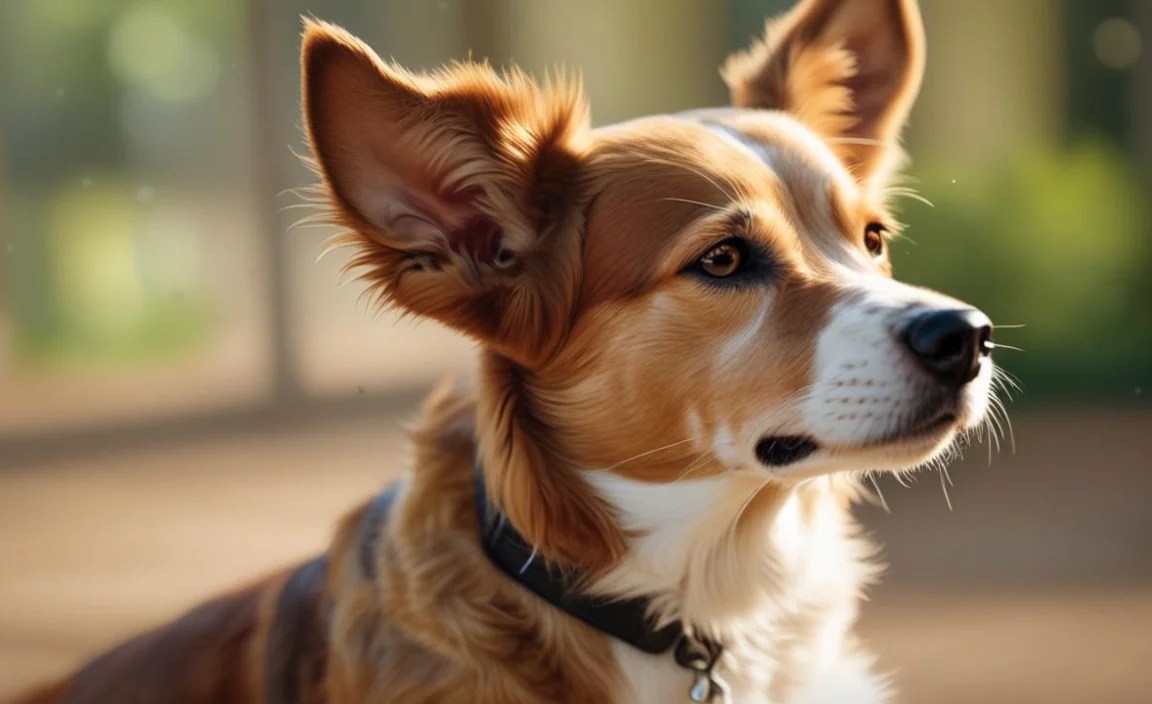
The “sit” is a fundamental command that promotes politeness and helps manage excitement.
Technique: With a treat in hand, hold it level with your dog’s nose. Slowly move the treat up and slightly back over their head. As their head follows the treat, their rear end will naturally lower. The moment they sit, say “Yes!” and give the treat. Once they consistently sit when you lure them, start to fade the lure and introduce the verbal cue “Sit” just as they begin to move into the position.
3. Leash Manners: Preventing Pulling Through Positive Association
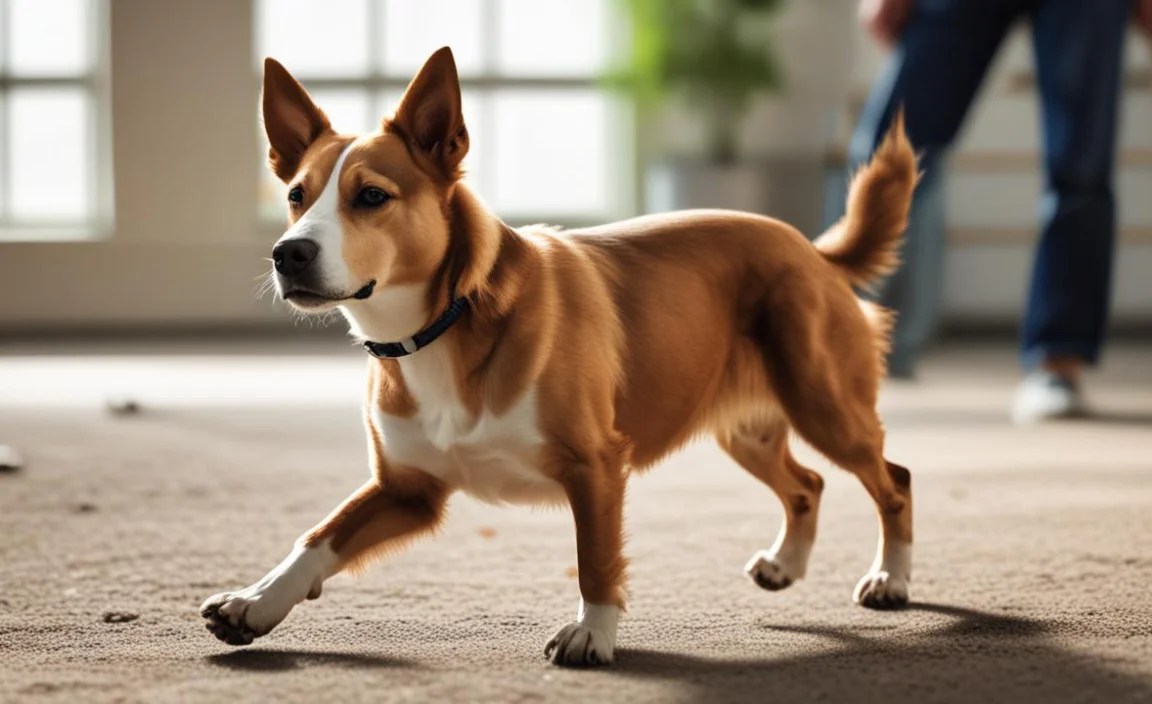
Leash pulling is a common frustration. Instead of yanking your dog back, we can teach them to walk politely.
Technique: When your dog is walking nicely beside you (not pulling), reward them with treats and praise. If they pull, simply stop walking. Wait for the leash to slacken slightly, then resume walking. Alternatively, you can turn and walk in the opposite direction the moment they pull. This teaches them that pulling makes the fun stop, and relaxed walking makes the walk continue. Patience is key here, as breaking ingrained habits takes time and consistency.
4. House Training: Consistency and Management

House training is often a process of teaching your dog where and when it’s appropriate to eliminate.
Technique: Frequent potty breaks are essential, especially after waking up, after meals, and before bedtime. Take your dog to their designated potty spot and reward them with enthusiastic praise and a special treat the moment they relieve themselves. If you catch them in the act indoors, a sharp but not scary interruption (like a quick “Oops!”) and immediately taking them outside to their spot can be effective. Crating when unsupervised can also prevent accidents and help them learn to hold it.
Addressing Common Behavioral Challenges
While the above techniques are foundational, some dogs present more complex behavioral issues. For these, it’s often beneficial to seek professional guidance. However, understanding some core principles can still make the process smoother.
Chewing: Provide plenty of appropriate chew toys and redirect your dog to these toys if they start chewing on inappropriate items. If destructive chewing is due to anxiety, consult a professional.
Jumping: Turn away and ignore your dog when they jump. Only engage with them once all four paws are on the floor. Reward calm greetings.
* Barking: Identify the trigger for barking. If it’s boredom, increase exercise and mental stimulation. If it’s alarm barking, teach a “quiet” cue by rewarding silence after barking has stopped.
The “Effortless” Aspect: Consistency and Patience
The truly “effortless” aspect of dog behavioral training techniques emerges not from a lack of effort on your part, but from a deep understanding of how dogs learn and consistent application of positive methods. When you prioritize building trust and rewarding desired behaviors, your dog becomes a willing partner in the training process. They learn that engaging with you and offering appropriate behaviors leads to positive outcomes. This fosters a stronger bond, reduces stress for both of you, and ultimately leads to a more harmonious life together. Remember, every dog is an individual, and what works effortlessly for one may require a bit more adjustment for another. Celebrate small victories, remain consistent, and enjoy the journey of a well-trained and happy canine companion.

Meet Elyse Colburn, the devoted canine companion and storyteller behind the enchanting world of “Tales, Tails, and Adventures Unleashed.” A passionate dog enthusiast with a heart full of paw prints, Elyse Colburn shares heartwarming tales and insightful adventures, celebrating the joy, loyalty, and endless antics that make every dog a true hero. Join Elyse Colburn on this tail-wagging journey, where every post is a love letter to our four-legged friends.