
Understanding dog biting prevention is paramount for any dog owner, ensuring the safety and well-being of their family, friends, and the wider community. A bite can have serious physical and emotional consequences for both the victim and the dog, often leading to difficult decisions for the owner. Fortunately, with a proactive and informed approach, the risk of a bite can be significantly minimized, fostering a harmonious relationship between humans and their canine companions. This comprehensive guide aims to equip you with the knowledge and tools necessary to create a dog-friendly environment and prevent unwelcome incidents.
Understanding the Roots of Canine Aggression

Before delving into prevention strategies, it’s crucial to grasp why dogs bite. Contrary to popular belief, dogs rarely bite without reason. Their behavior stems from a complex interplay of instinct, learned experiences, and situational factors. Common triggers for biting include:
Fear and Anxiety: A dog that feels threatened, cornered, or overwhelmed may resort to biting as a defense mechanism. This can be triggered by loud noises, unfamiliar people or animals, or sudden movements.
Pain and Discomfort: If a dog is injured or experiencing illness, touching or approaching them might elicit a bite. This is often an involuntary reaction to protect themselves from further pain.
Territoriality and Resource Guarding: Dogs are naturally protective of their space, their food, toys, or even their owners. If they perceive an intrusion or a threat to their prized possessions, they may display aggression.
Frustration and Overexcitement: When a dog is unable to fulfill a desire, such as reaching a squirrel it’s chasing or getting attention, frustration can build, leading to nipping or biting. Similarly, overstimulation during play can sometimes escalate to biting.
Predatory Instinct: While less common as a direct cause of biting humans in a home environment, the inherent predatory drive can be triggered by fast-moving objects or small, scurrying animals, potentially leading to a nipping incident.
Lack of Socialization and Training: Dogs that haven’t been properly socialized from a young age may be wary of new experiences, people, and other animals, increasing their likelihood of reacting defensively. Inadequate training can also leave owners without the necessary tools to manage their dog’s behavior.
Essential Elements of Your Dog Biting Prevention Guide

A successful dog biting prevention guide focuses on a multi-faceted approach that addresses the dog’s needs and educates the people around them. Here are the cornerstones:
1. Early Socialization: Building a Confident Canine

The critical socialization window for puppies typically closes around 16 weeks of age. During this period, exposing your puppy to a wide variety of sights, sounds, people (of all ages and appearances), and other well-behaved dogs is paramount. Positive and controlled encounters help your puppy develop into a well-adjusted adult who is less likely to be fearful or reactive. This includes:
Gentle handling: Getting your puppy used to being touched all over, including their paws, ears, and mouth.
Exposure to different environments: Taking them to parks, pet-friendly stores (once vaccinated), and different outdoor settings.
Meeting diverse people: Encouraging interactions with calm and responsible adults and children.
Safe interactions with other dogs: Enrolling in puppy socialization classes or arranging playdates with known friendly dogs.
2. Consistent Training and Obedience
Obedience training is not just about teaching commands; it’s about building a strong communication system between you and your dog. A well-trained dog is more predictable and easier to manage, significantly reducing the chances of a bite. Key training aspects include:
Basic commands: “Sit,” “stay,” “come,” and “leave it” are fundamental for control in various situations.
Leash manners: Teaching your dog to walk calmly on a leash prevents lunging and pulling, which can be overwhelming.
Impulse control exercises: Games that teach your dog to wait patiently, like “wait for your food” or “wait to go through the door,” are invaluable.
Positive reinforcement: Using rewards like treats, praise, and toys creates a positive association with learning and good behavior. Harsh punishment can increase fear and aggression.
3. Understanding Canine Body Language
Learning to read your dog’s subtle cues is one of the most effective dog biting prevention tools. Dogs communicate their feelings through a complex language of posture, facial expressions, tail wags (and other tail movements), and vocalizations. Recognizing early warning signs can help you de-escalate a situation before it escalates to a bite. Look for:
Subtle signs of discomfort: Lip licking, yawning when not tired, averting gaze, tensing the body, a stiff tail, or a low growl.
Clear signs of distress: Whale eye (showing the whites of their eyes), baring teeth, raised hackles, pinned ears, and a hard stare.
The “stress yawn”: Often misinterpreted as tiredness, this is a clear sign of anxiety.
When you notice these signs, it’s time to give your dog space, remove them from the triggering situation, or redirect their attention.
4. Managing the Environment and Preventing Triggers

Proactive environmental management is key to preventing bites. This involves identifying potential risks and taking steps to mitigate them.
Supervise interactions: Never leave young children unsupervised with dogs, regardless of how well you know the dog.
Teach children how to interact with dogs: Educate children on gentle handling, respecting a dog’s space, and never disturbing a dog that is eating or sleeping.
Secure your dog: Use crates or baby gates to create safe spaces for your dog, especially when you have guests or during potentially stressful situations.
Address resource guarding: If your dog guards food or toys, work with a professional trainer on desensitization and counter-conditioning techniques.
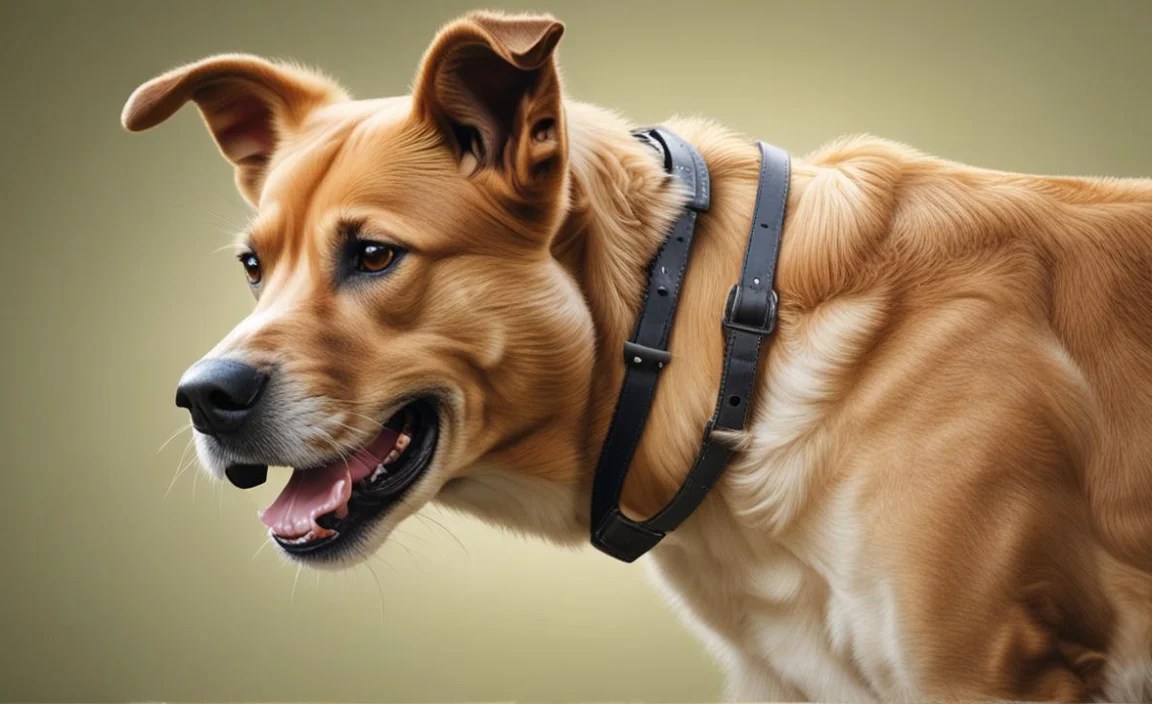
Muzzle training: For dogs prone to nipping or in specific high-risk situations, muzzle training can be a valuable safety tool. It should always be introduced positively and associated with good experiences.
5. Recognizing and Respecting Your Dog’s Limits

Every dog has individual limits and triggers. It’s your responsibility as an owner to learn and respect these. If your dog shows persistent signs of anxiety or aggression, seek professional help.
Consult a veterinarian: Rule out any underlying medical issues that might be contributing to behavioral changes.
Work with a certified professional dog trainer or veterinary behaviorist: They can assess your dog’s specific issues and develop a tailored behavior modification plan.
By integrating these strategies into your daily life, you can build a strong, trusting relationship with your dog and significantly enhance safety for everyone involved. Remember, dog biting prevention is an ongoing commitment that yields immeasurable rewards in the form of a happy, well-adjusted canine companion.

Meet Elyse Colburn, the devoted canine companion and storyteller behind the enchanting world of “Tales, Tails, and Adventures Unleashed.” A passionate dog enthusiast with a heart full of paw prints, Elyse Colburn shares heartwarming tales and insightful adventures, celebrating the joy, loyalty, and endless antics that make every dog a true hero. Join Elyse Colburn on this tail-wagging journey, where every post is a love letter to our four-legged friends.