
The wagging tail, the enthusiastic greeting, the unconditional love – these are the joys of dog ownership. But for many pet parents, there’s an underlying concern: a dog prone to anxiety. Whether it’s thunderstorms, fireworks, separation from their humans, or just a general predisposition to nervousness, a dog’s anxiety can be heartbreaking to witness and challenging to manage. Thankfully, a wealth of effective dog calming techniques at home exist, offering solutions that can bring peace and comfort to your furry companion. Creating a serene environment and employing gentle, consistent strategies can make a world of difference in your dog’s well-being.
Understanding the root cause of your dog’s anxiety is the first crucial step. Is it triggered by specific sounds, being left alone, or perhaps a new person or pet in the house? Observing your dog’s body language – panting, yawning excessively, lip licking, tucked tail, or pacing – can provide valuable clues. Once you have a better grasp of the triggers, you can begin implementing targeted dog calming techniques at home to address their specific needs.
Creating a Sanctuary: The Foundation of Dog Calming Techniques at Home

The most fundamental of dog calming techniques at home involves crafting a safe and predictable environment. This starts with a dedicated “den” or safe space for your dog. This could be a crate, a cozy bed in a quiet corner, or even a specific room where they feel secure. Equip this space with their favorite blankets, toys, and perhaps even a piece of your worn clothing to provide a familiar and comforting scent. During times of stress, guide your dog to their safe space, encouraging them to relax rather than forcing them. Never use this space for punishment, as that will only instill negative associations.
Consistency in routine is another powerful tool. Dogs thrive on predictability. Maintaining consistent feeding times, walk schedules, and play sessions can significantly reduce anxiety. Knowing what to expect throughout the day helps alleviate the uncertainty that often fuels anxious behavior. When you do need to leave your dog, gradually introduce them to short absences, increasing the duration over time. This desensitizes them to separation and helps build their confidence when you’re not around.
Utilizing Sensory Comfort for Canine Calmness

Beyond environmental adjustments, several sensory-based dog calming techniques at home can be incredibly effective. Many dogs respond positively to calming music specifically designed for canine relaxation. These playlists often feature slower tempos, gentle melodies, and a lack of jarring sounds. Similarly, aromatherapy can play a role. Lavender and chamomile are known for their calming properties for both humans and dogs. Ensure you use pet-safe essential oils and employ diffusers rather than applying oils directly to your dog. A gentle massage can also work wonders. Focus on their neck, shoulders, and back, using slow, soothing strokes. This physical connection can release endorphins and promote relaxation.
Pheromone diffusers and sprays are another popular option. These products mimic the natural calming pheromones that mother dogs release to soothe their puppies. While not a cure-all, many owners report a noticeable reduction in anxiety-related behaviors when using these products consistently.
Active Engagement and Mental Stimulation
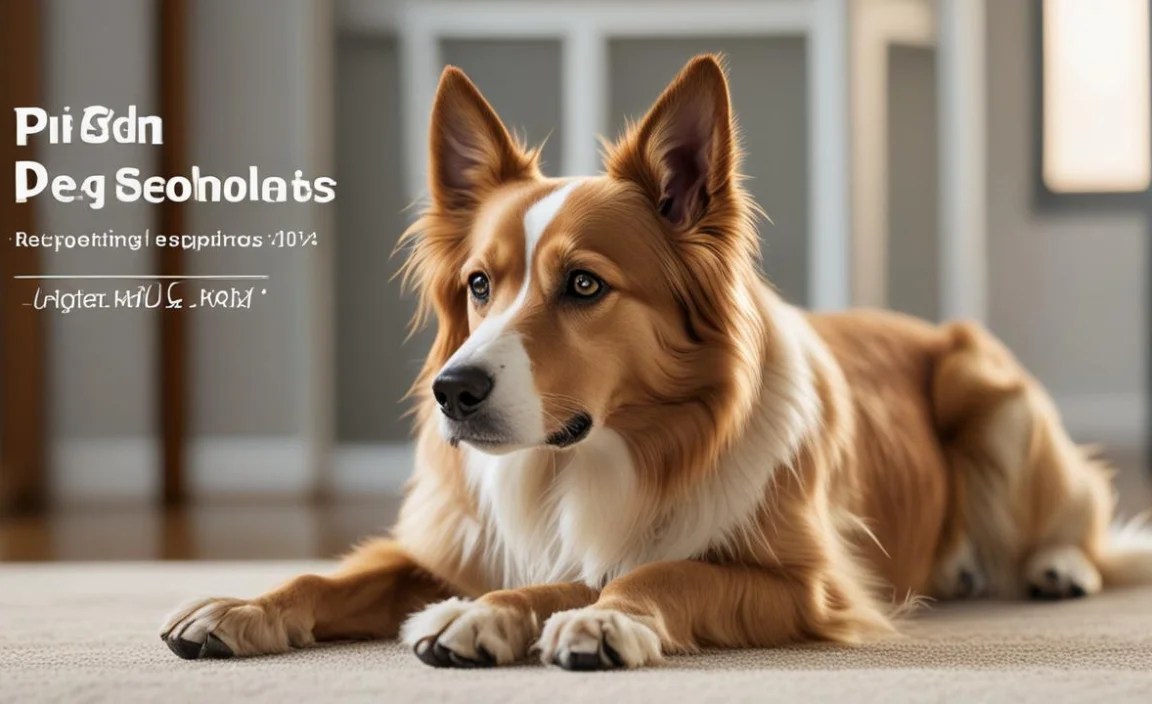
Counterintuitively, sometimes the best way to calm an anxious dog is through positive, controlled engagement. Regular exercise is vital for a dog’s overall well-being and can significantly reduce pent-up energy that might manifest as anxious behaviors. A tired dog is often a content dog.
Mental stimulation is equally important. Puzzle toys that dispense treats, obedience training sessions, and scent games can keep your dog’s mind occupied and redirect their focus away from anxieties. When your dog is engaged in a challenging but rewarding activity, they are less likely to dwell on their fears. Training should always be positive and reward-based. Rewarding calm behavior with praise and treats reinforces desired actions and builds confidence.
Addressing Specific Anxieties with Tailored Dog Calming Techniques at Home

For specific anxieties, like fear of thunderstorms or fireworks, a multi-pronged approach is often best. On the eve of a predicted storm, try to create a cozy den in an interior room, away from windows. Play calming music, offer a comforting chew toy, and remain calm yourself. Your own anxiety can be contagious. During the event, ignore their anxious behavior as much as possible; don’t over-comfort them, as this can inadvertently reinforce the idea that there’s something to be worried about. Instead, try to distract them with a favorite game or a novel treat.
Separation anxiety is one of the most common and distressing forms of canine anxiety. Beyond desensitization to absences, consider leaving them with safe, long-lasting chew toys or a “Kongs” filled with their favorite goodies. Some owners find success with “doggy daycare” or having a friend or family member stay with their dog when they are away for extended periods.
When to Seek Professional Help: Advanced Dog Calming Techniques at Home and Beyond

While these dog calming techniques at home are incredibly effective for many dogs, it’s important to recognize when professional intervention is necessary. If your dog’s anxiety is severe, debilitating, or showing no improvement despite your best efforts, consult with your veterinarian. They can rule out any underlying medical conditions that might be contributing to the anxiety.
Furthermore, a certified applied animal behaviorist or a positive reinforcement-based dog trainer can provide personalized guidance and develop a tailored behavior modification plan. In some cases, medication prescribed by a veterinarian may be part of the treatment plan, working in conjunction with behavior modification strategies.
Caring for an anxious dog requires patience, understanding, and a commitment to finding what works best for your individual pet. By implementing these dog calming techniques at home, you can create a more peaceful environment, strengthen your bond, and help your beloved canine companion live a happier, more contented life.

Meet Elyse Colburn, the devoted canine companion and storyteller behind the enchanting world of “Tales, Tails, and Adventures Unleashed.” A passionate dog enthusiast with a heart full of paw prints, Elyse Colburn shares heartwarming tales and insightful adventures, celebrating the joy, loyalty, and endless antics that make every dog a true hero. Join Elyse Colburn on this tail-wagging journey, where every post is a love letter to our four-legged friends.