
When our canine companions experience stress, anxiety, or fear, it’s natural to feel a pang of concern. The good news is that a wealth of dog calming techniques exists, offering effortless relief for our furry friends and peace of mind for us. Understanding the root cause of their distress is the first step, followed by the strategic implementation of these proven methods. This article will explore various approaches, from environmental adjustments to specialized tools and behavioral strategies, all designed to help your dog find their calm.
Understanding the Triggers of Canine Anxiety

Before diving into solutions, it’s crucial to identify what causes your dog to become agitated. Common triggers include thunderstorms, fireworks, separation from their owner, car rides, vet visits, loud noises, and even unfamiliar environments or people. Observing your dog’s body language is key. Signs of stress can range from subtle cues like lip licking, yawning, and panting to more overt behaviors such as trembling, whining, barking excessively, pacing, destructive chewing, or even aggression. Recognizing these signals allows you to intervene proactively before a full-blown anxiety attack takes hold.
Environmental Adjustments for a Serene Dog

Sometimes, the simplest solutions are the most effective. Creating a calming environment can significantly reduce a dog’s anxiety.
Designate a Safe Space: Ensure your dog has a quiet, comfortable area where they can retreat when feeling overwhelmed. This could be a crate covered with a blanket, a cozy bed in a low-traffic corner of the house, or even a room where they feel secure. Stock this space with their favorite toys and a familiar blanket carrying your scent.
Minimize Noise: For noise-sensitive dogs, invest in soundproofing solutions for their “safe space.” White noise machines or calming music specifically designed for dogs can also help to mask sudden, startling sounds. During stressful events like thunderstorms or fireworks, close windows and draw curtains to further reduce external stimuli.
Consistent Routine: Dogs thrive on predictability. Maintaining a consistent schedule for feeding, walks, playtime, and bedtime can provide a sense of security and reduce general anxiety.
The Power of Physical Touch and Presence

Your presence and touch can be incredibly reassuring for a anxious dog. However, it’s important to approach them calmly and avoid overwhelming them with excessive attention, which can sometimes inadvertently reinforce their anxious behavior.
Calm and Gentle Petting: When your dog is anxious, approach them slowly and speak in a soft, soothing tone. Gentle, rhythmic petting along their back or chest can have a grounding effect. Avoid forceful petting or hugging, which can feel threatening.
Just Being There: Simply sitting quietly near your dog can be a significant source of comfort. Let them initiate contact, and respond with relaxed body language. Your calm demeanor can help them de-escalate.
Utilizing Natural and Complementary Therapies
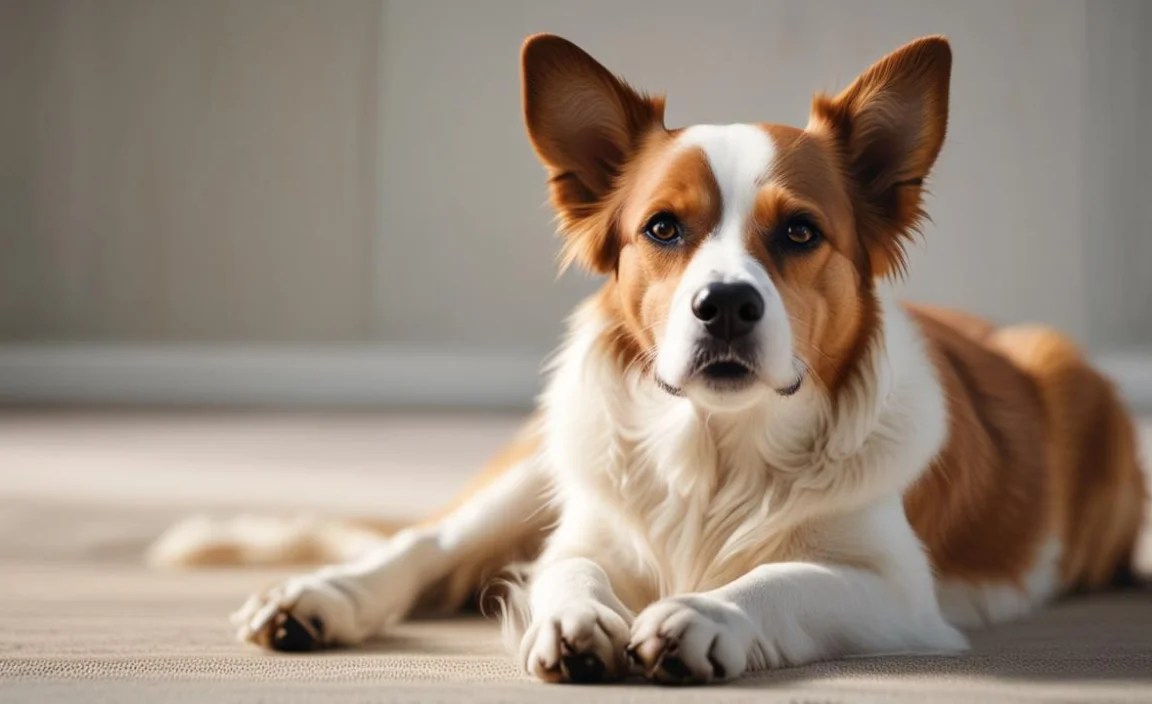
Several natural methods and products have proven effective in promoting calmness in dogs.
Pheromone Therapy: Synthetic pheromones mimic the natural pheromones released by mother dogs to calm their puppies. These are available in diffusers, sprays, and collars and can create a sense of security.
Herbal Supplements: Certain herbs like chamomile, valerian root, and L-theanine can have calming effects. Always consult with your veterinarian before administering any supplements to ensure they are safe and appropriate for your dog’s specific needs and health status.
CBD Oil for Dogs: Cannabidiol (CBD) oil, derived from hemp, has gained popularity for its potential to alleviate anxiety in dogs. CBD interacts with the endocannabinoid system, which plays a role in regulating mood and stress. Again, veterinary consultation is paramount to determine the correct dosage and ensure product quality.
Massage and Acupressure: Gentle massage techniques can release tension and promote relaxation. Learning basic canine massage or acupressure points can be a valuable skill for owners.
Behavioral Dog Calming Techniques and Training

Beyond environmental adjustments and physical aids, specific behavioral techniques and training can equip your dog with coping mechanisms.
Positive Reinforcement Training: Counter-conditioning and desensitization are powerful tools. This involves gradually exposing your dog to a trigger at a very low intensity while pairing it with something positive, like high-value treats or praise. The goal is to change their emotional response from fear to anticipation of good things. For example, if your dog fears the vacuum cleaner, start by showing them the vacuum turned off from a distance, rewarding them for calm behavior. Slowly progress to turning it on for short periods, always keeping the distance such that they remain relaxed.
Distraction and Redirection: When you notice your dog becoming anxious, try to distract them with a favorite toy, a game of fetch, or a training exercise. Redirecting their focus can interrupt the anxiety cycle.
Chew Toys: Providing durable chew toys can be incredibly therapeutic for anxious dogs. Chewing is a natural stress-reliever for dogs, helping them to release pent-up energy and nervous tension.
* Exercise: Adequate physical and mental stimulation is crucial for preventing anxiety. A tired dog is often a calm dog. Ensure your dog gets enough daily exercise, tailored to their breed, age, and energy level. Puzzle toys and scent games can also provide mental enrichment.
When to Seek Professional Help

While these dog calming techniques can be highly effective, it’s important to recognize when professional intervention is necessary. If your dog’s anxiety is severe, persistent, or significantly impacting their quality of life, or yours, consult with your veterinarian. They can rule out any underlying medical conditions that might be contributing to the anxiety and may refer you to a certified veterinary behaviorist or a qualified professional dog trainer who specializes in behavior modification. These experts can create a tailored plan for your dog’s specific needs.
By understanding your dog’s triggers, implementing environmental changes, utilizing calming aids, and employing consistent training, you can provide your beloved canine companion with the effortless relief they deserve, fostering a happier, calmer, and more harmonious life together.

Meet Elyse Colburn, the devoted canine companion and storyteller behind the enchanting world of “Tales, Tails, and Adventures Unleashed.” A passionate dog enthusiast with a heart full of paw prints, Elyse Colburn shares heartwarming tales and insightful adventures, celebrating the joy, loyalty, and endless antics that make every dog a true hero. Join Elyse Colburn on this tail-wagging journey, where every post is a love letter to our four-legged friends.