
Dog chasing cars guide is a phrase many frustrated dog owners search for, desperately seeking an end to a dangerous and anxiety-inducing behavior. This primal instinct, deeply rooted in a dog’s predatory drive, can transform a beloved pet into a potential hazard for themselves and others. Understanding why dogs chase cars is the first crucial step in developing an effective dog chasing cars guide and implementing a successful training plan. This comprehensive guide will delve into the causes of this behavior, the risks involved, and a step-by-step approach to help your canine companion overcome this ingrained urge.
Why Do Dogs Chase Cars?
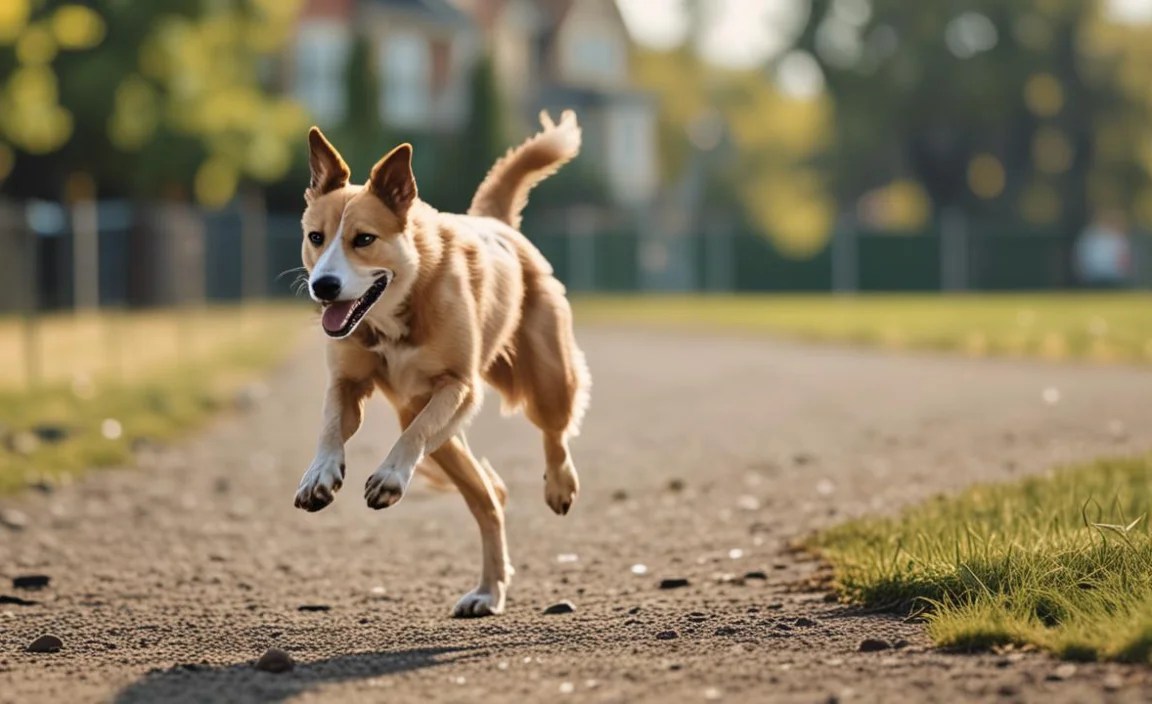
The allure of a moving object is powerful for dogs. Their natural prey drive is triggered by the speed and movement of vehicles, mimicking the chase of smaller animals. This instinct isn’t malicious; it’s simply a deeply ingrained part of their canine heritage. Several factors can contribute to or exacerbate this behavior:
Prey Drive: This is the most significant driver. Dogs are predators, and their instincts tell them to pursue anything that moves quickly. Cars, with their speed and sound, are irresistible targets.
Boredom and Lack of Stimulation: A dog that is under-stimulated, both mentally and physically, is more likely to seek out “excitement” wherever it can find it. Chasing cars can become a form of self-entertainment when other outlets are lacking.
Herding Instincts: Some breeds, particularly those bred for herding, might view cars as a flock to be managed or directed. Their instinct to move “livestock” can translate into herding vehicles.
Territorial Behavior: Dogs can also be territorial, and they might perceive approaching cars as intruders that need to be chased away from their perceived domain.
Frustration and Anxiety: For some dogs, chasing cars might be a coping mechanism for underlying anxiety or frustration, perhaps stemming from being left alone or other stressors.
Lack of Socialization and Training: Dogs that haven’t been properly socialized or trained to respect boundaries and commands are more likely to engage in problematic behaviors, including chasing cars.
The Dangers of This Behavior

The act of a dog chasing cars is not just a nuisance; it is incredibly dangerous. The consequences can be severe and life-altering:
Serious Injury or Death for the Dog: This is the most immediate and tragic risk. A collision with a vehicle can result in severe injuries, broken bones, internal damage, or immediate fatality for the dog.
Accidents Involving the Vehicle: A startled or swerving driver reacting to a dog in the road can cause accidents, potentially leading to injuries for the driver, passengers, or other road users, as well as damage to property.
Legal Repercussions for the Owner: In many jurisdictions, owners are legally responsible for their dogs’ actions. If your dog causes an accident or damages property, you could face fines, legal fees, and even liability lawsuits.
Stress and Anxiety for the Owner: Constantly worrying about your dog escaping and chasing traffic is emotionally draining and can significantly impact your quality of life.
Implementing Your Dog Chasing Cars Guide: A Step-by-Step Approach

Overcoming this behavior requires dedication, patience, and a consistent training strategy. Here’s a comprehensive dog chasing cars guide to help you succeed:
1. Identify and Manage the Triggers

The first step in any effective dog chasing cars guide is to identify when and where your dog is most likely to exhibit this behavior.
Observe: Pay close attention to the specific situations that trigger the chase. Is it when cars pass your driveway? When you’re on walks near busy roads?
Containment: Until you can effectively train your dog, it’s crucial to prevent the behavior from occurring. This means ensuring your yard is securely fenced, keeping gates closed, and always using a leash when outside your secure area, especially in proximity to roads. Consider a long lead during walks in these areas if your dog is prone to reactivity.
2. Establish Strong Obedience Foundations
A solid understanding of basic obedience commands is essential for managing your dog and redirecting their focus.
“Sit” and “Stay”: These commands are invaluable for stopping your dog in their tracks. Practice them in increasingly distracting environments.
“Come” (Recall): A reliable recall command is paramount. If your dog is off-leash or slips their leash, you need to be able to call them back safely to your side. Practice this relentlessly with high-value rewards.
“Leave It”: This command teaches your dog to disengage from tempting stimuli. Practice it with various objects and gradually increase the distraction level.
3. Desensitization and Counter-Conditioning
This is a core component of most dog chasing cars guide strategies. It involves gradually exposing your dog to cars in a controlled manner and changing their emotional response to them.
Controlled Exposure: Start from a distance where your dog notices a car but doesn’t react. This might be from inside your house with the curtains partially closed, or from a significant distance down a quiet street.
Positive Reinforcement: As a car passes at a safe distance, immediately give your dog a high-value treat or praise. The goal is for your dog to associate the sight of a car with something positive.
Gradual Approach: Slowly decrease the distance over many sessions, ensuring your dog remains calm and under the threshold of reactivity. If your dog starts to fixate or shows signs of agitation, you’ve moved too quickly. Increase the distance again and work from there.
Professional Guidance: For severe cases, consider working with a certified professional dog trainer or a veterinary behaviorist. They can provide tailored strategies and help you navigate complex situations safely.
4. Redirect and Impulse Control Training
Teaching your dog to control their impulses is a critical part of breaking the chasing habit.
“Look at That” Game: When your dog sees a car at a distance where they can stay calm, say “Look at that” and then immediately reward them for looking at you. This trains them to notice the car and then shift their attention to you for a reward, rather than fixating on the car.
Redirection: If you see a car approaching and know your dog might react, try to distract them before they start to chase. Engage them with a favorite toy, a training exercise, or a tasty treat.
Fetch and Tug: For breeds with strong herding or chasing drives, consistent, structured play like fetch or controlled tug-of-war can help channel that energy positively and teach impulse control.
5. Exercise and Mental Stimulation
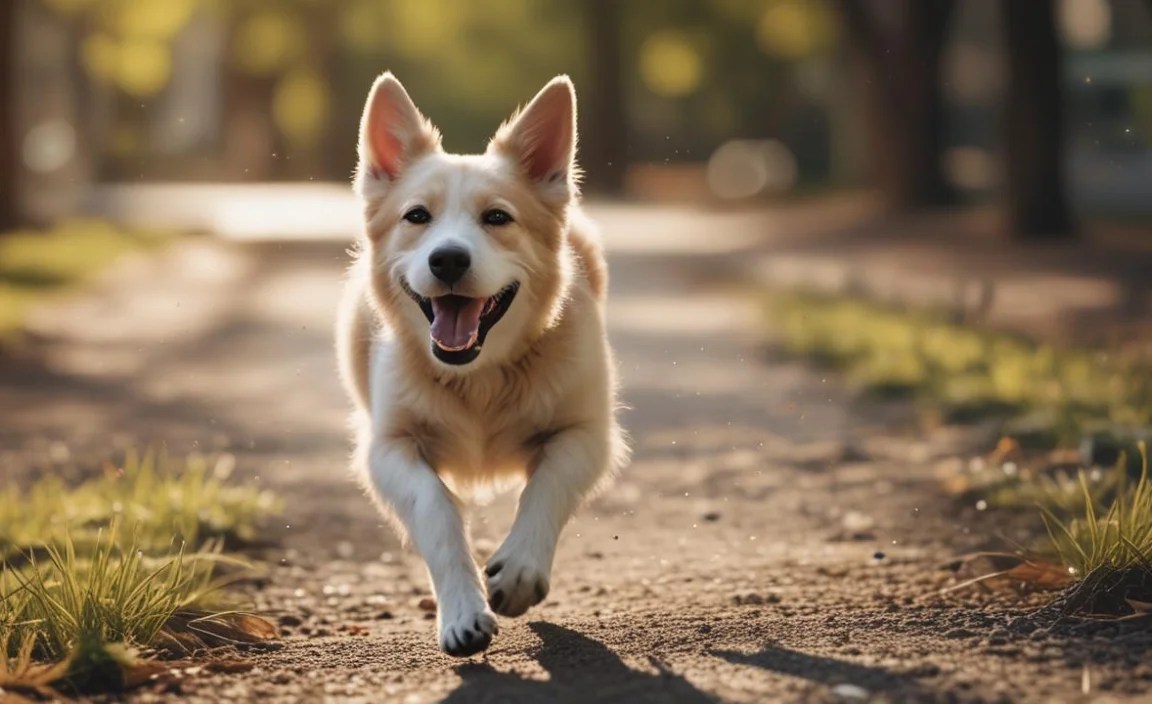
A tired dog is less likely to engage in problematic behaviors. Ensuring your dog has enough outlets for their energy is vital.
Physical Exercise: Regular walks, runs, or playtime in a secure area are essential. The type and duration of exercise should be tailored to your dog’s breed, age, and health.
Mental Stimulation: Puzzle toys, scent work, obedience training sessions, and interactive games can help prevent boredom and a desire for self-stimulation.
When to Seek Professional Help
While this dog chasing cars guide provides a framework, some dogs’ behaviors are deeply ingrained or have complex underlying causes. If you are struggling to make progress, your dog is exhibiting extreme reactivity, or you fear for their safety, do not hesitate to consult:
Certified Professional Dog Trainer (CPDT-KA or CPDT-KSA): A qualified trainer can assess your dog’s behavior and develop a personalized training plan.
Veterinary Behaviorist (DACVB): For severe cases, anxiety-related issues, or if medication might be beneficial, a veterinary behaviorist is the most qualified professional.
Stopping a dog from chasing cars is a challenging but achievable goal. With a clear understanding of the behavior, consistent training, and a commitment to your dog’s safety and well-being, you can significantly reduce and, with persistence, eliminate this dangerous habit. Remember that every dog is an individual, and patience and positive reinforcement are your most valuable tools.

Meet Elyse Colburn, the devoted canine companion and storyteller behind the enchanting world of “Tales, Tails, and Adventures Unleashed.” A passionate dog enthusiast with a heart full of paw prints, Elyse Colburn shares heartwarming tales and insightful adventures, celebrating the joy, loyalty, and endless antics that make every dog a true hero. Join Elyse Colburn on this tail-wagging journey, where every post is a love letter to our four-legged friends.