
Older dogs chasing cars in older dogs can be a frustrating and potentially dangerous behavior, especially when you’ve believed you’ve outgrown such youthful exuberance. While puppies and young dogs are often prone to exuberance and a strong prey drive that can manifest as car-chasing, it’s not uncommon for this habit to persist or even emerge in our senior canine companions. Understanding the underlying reasons for this behavior and implementing effective strategies is crucial for both their safety and your peace of mind.
Why Do Older Dogs Chase Cars?

It might seem counterintuitive, but an older dog chasing cars isn’t always a sign of regression or declining cognitive function, although those can be contributing factors in some cases. More often, the impulse stems from deeply ingrained instincts that haven’t simply faded away with age.
Prey Drive: The most common reason is a strong prey drive. Cars, with their speed and movement, can trigger this primal instinct. To a dog, a moving car can resemble a fast-moving animal, and their natural inclination is to pursue it. This instinct doesn’t typically disappear with age; it can often remain just as potent.
Boredom and Lack of Stimulation: An older dog who is under-stimulated or experiencing boredom may seek excitement wherever they can find it. Chasing a car provides a thrill, a momentary distraction from a monotonous routine. This can be particularly true if their exercise or mental enrichment has decreased as they’ve gotten older, leaving them with pent-up energy and a need for engagement.
Anxiety and Stress: Sometimes, car chasing can be a displacement behavior stemming from underlying anxiety or stress. Loud noises, changes in routine, or even feeling insecure can lead a dog to channel their unease into a frantic, albeit misdirected, activity. The act of chasing might be a way for them to “do something” when they feel overwhelmed.
Learned Behavior: If a dog has successfully chased cars in the past without negative consequences, they may continue the behavior because it has been reinforced. They might associate the chase with a sense of accomplishment or excitement.
Medical Issues (Less Common but Possible): In some rare instances, cognitive decline associated with aging (canine cognitive dysfunction) could contribute to unusual or persistent behaviors like car chasing. If the behavior is a sudden onset or accompanied by other changes in personality or habits, a veterinary check-up is always recommended.
Strategies to Stop Older Dogs Chasing Cars

The good news is that even with older dogs, it’s often possible to modify or eliminate this problematic behavior with patience, consistency, and the right approach.
Management is Key for Dog Chasing Cars in Older Dogs

The first and most important step is prevention. Until you can reliably redirect your dog’s attention, it’s crucial to ensure they are never in a situation where they can practice the chasing behavior.
Leash Control: Always keep your older dog on a leash when you are outdoors, especially in areas where cars are present. Ensure the leash is secure and that your dog cannot slip its collar or harness. Consider using a hands-free leash for better control if needed.
Secure Yards: If your dog has access to a yard, thoroughly inspect it for any gaps or weaknesses in fencing that a determined dog could exploit. Ensure gates are always closed and latched.
Avoid High-Traffic Areas: For walks and outings, choose routes that are away from busy roads. Explore quieter parks, trails, or residential streets with minimal car traffic.
Training and Redirection Techniques
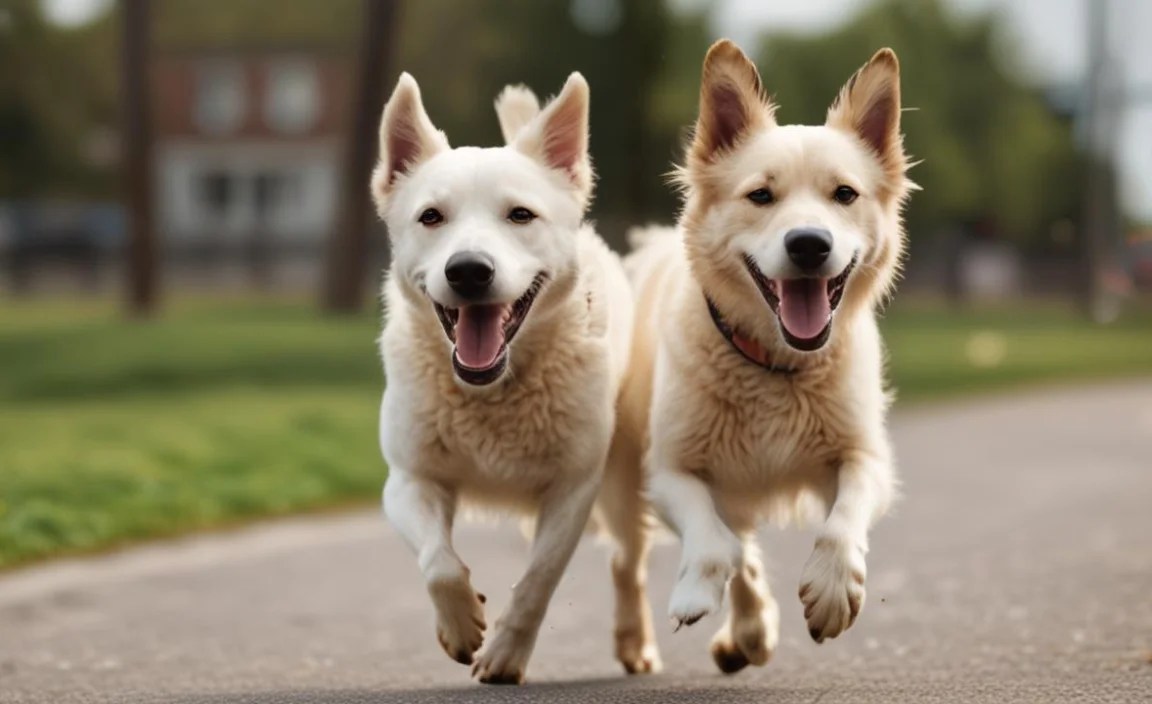
Once you have management in place, you can begin implementing training strategies to address the root cause of the behavior.
Recall Training (Reinforced): A strong recall is your most valuable tool. Even if your dog is generally well-behaved off-leash, the excitement of a car can override their training. Practice recall frequently in a distraction-free environment, using high-value treats and enthusiastic praise. Gradually introduce distractions, but always ensure you can set your dog up for success. If your dog is already chasing, calling them back while they are in pursuit is unlikely to be effective. The goal is to prevent the pursuit in the first place.
“Look at That” Game: This positive reinforcement game helps your dog associate the sight of a car with something positive. When your dog is calmly looking at a car at a distance (before they start to react), say their name and give them a high-value treat. The key is to reward them before they show any signs of wanting to chase. As they become more comfortable, you can gradually decrease the distance.
Enrichment and Exercise: Ensure your older dog is getting enough physical and mental stimulation. This doesn’t necessarily mean strenuous activity. Senior dogs often benefit from shorter, more frequent walks, puzzle toys, scent games, and gentle training sessions. A dog who is mentally and physically satisfied is less likely to seek out the “thrill” of chasing.
Desensitization: This involves gradually exposing your dog to the stimulus (cars) at a low intensity while ensuring they remain calm. Start at a distance where your dog notices the car but doesn’t react. Reward calm behavior. Slowly decrease the distance over many sessions, always staying below the threshold where they feel the urge to chase. This requires a lot of patience and careful observation of your dog’s body language.
Redirecting Attention: If you see a car approaching and anticipate your dog might react, proactively redirect their attention to something else. Ask for a simple command they know well (like “sit” or “touch”) and reward them when they comply. Have toys or treats readily available to engage them.
When to Seek Professional Help
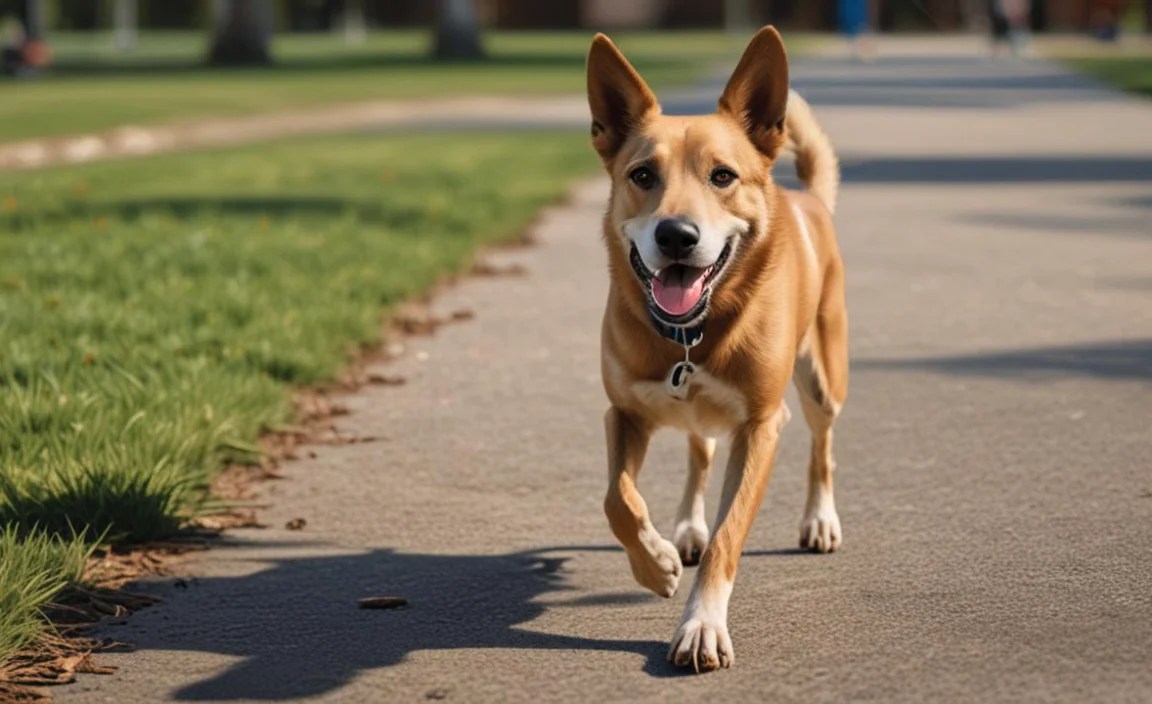
If you’ve tried various strategies and are still struggling to manage or curb your older dog’s car-chasing behavior, don’t hesitate to consult a professional.
Certified Professional Dog Trainer (CPDT-KA or CPDT-KSA): A qualified trainer can assess your dog’s specific situation, identify the root cause of the behavior, and develop a personalized training plan.
* Veterinary Behaviorist: For more complex cases involving anxiety, stress-related behaviors, or potential cognitive issues, a veterinary behaviorist can provide advanced diagnosis and treatment options, which might include behavioral modification techniques and, in some cases, medication.
Older dogs chasing cars in older dogs is a behavior that requires attention and a proactive approach. By understanding the motivations behind it and implementing consistent management and training strategies, you can help ensure your senior dog remains safe, sound, and a happy companion for years to come.

Meet Elyse Colburn, the devoted canine companion and storyteller behind the enchanting world of “Tales, Tails, and Adventures Unleashed.” A passionate dog enthusiast with a heart full of paw prints, Elyse Colburn shares heartwarming tales and insightful adventures, celebrating the joy, loyalty, and endless antics that make every dog a true hero. Join Elyse Colburn on this tail-wagging journey, where every post is a love letter to our four-legged friends.