
Dog digging problems are a common, and often frustrating, challenge for pet owners. Whether it’s perfectly manicured flowerbeds that become excavation sites, precious carpets that resemble minefields, or even the safety of your backyard fence being compromised, digging can quickly turn a peaceful home into a battleground between owner and canine. But fear not! Understanding why dogs dig and implementing the right strategies can transform these destructive behaviors into a thing of the past, even for those new to training their furry companions.
Why Do Dogs Dig?

Before we can solve the problem, we need to understand its root cause. Dogs dig for a variety of instinctual and learned reasons.
Instinct and Breed Tendencies: Many breeds, like terriers, dachshunds, and huskies, were specifically bred for digging, whether to hunt burrowing prey, create dens, or simply because it’s in their genetic makeup. This instinct can be powerful and difficult to completely suppress.
Boredom and Excess Energy: A dog that isn’t getting enough physical or mental stimulation is a prime candidate for destructive behaviors. Digging can be a way for them to entertain themselves and release pent-up energy. Think of it as a canine DIY project that you probably won’t appreciate.
Seeking Comfort or Escape: Dogs might dig to create a cooler spot to lie down in on hot days or a warmer spot to nestle in during cold weather. They may also dig at the base of fences in an attempt to escape perceived confinement or reach something on the other side.
Hunting Prey: If your dog spots a critter like a mole, gopher, or even an insect in the yard, their prey drive can kick in, leading them to furiously dig in pursuit.
Attention Seeking: Sometimes, a dog learns that digging is a surefire way to get their owner’s attention, even if that attention is negative.
Anxiety or Stress: Digging can also be a coping mechanism for dogs experiencing anxiety, separation distress, or other stressful situations.
Addressing Dog Digging Problems for Beginners

For those new to the world of dog ownership and training, tackling dog digging problems for beginners might seem daunting. However, a systematic approach focused on understanding, redirection, and positive reinforcement can yield excellent results.
1. Management and Prevention

Prevention is often the easiest solution, especially when starting out.
Supervision: When you can’t actively supervise your dog, confine them to a safe, dog-proofed area. This could be a crate, a secure playpen, or a room where they can’t access to your prized possessions or garden.
Secure the Yard: Check your fences regularly for any weaknesses or gaps. Burying the bottom edge of your fence a few inches underground can deter escape artists.
Provide Appropriate Digging Opportunities: If your dog is a digger out of instinct, designate a specific area where digging is allowed. This could be a sandbox or a section of your yard filled with loose soil or sand. Bury toys or treats in this designated spot to make it more enticing. When you catch your dog digging in the forbidden zone, redirect them to their approved digging area.
2. Enrichment and Exercise
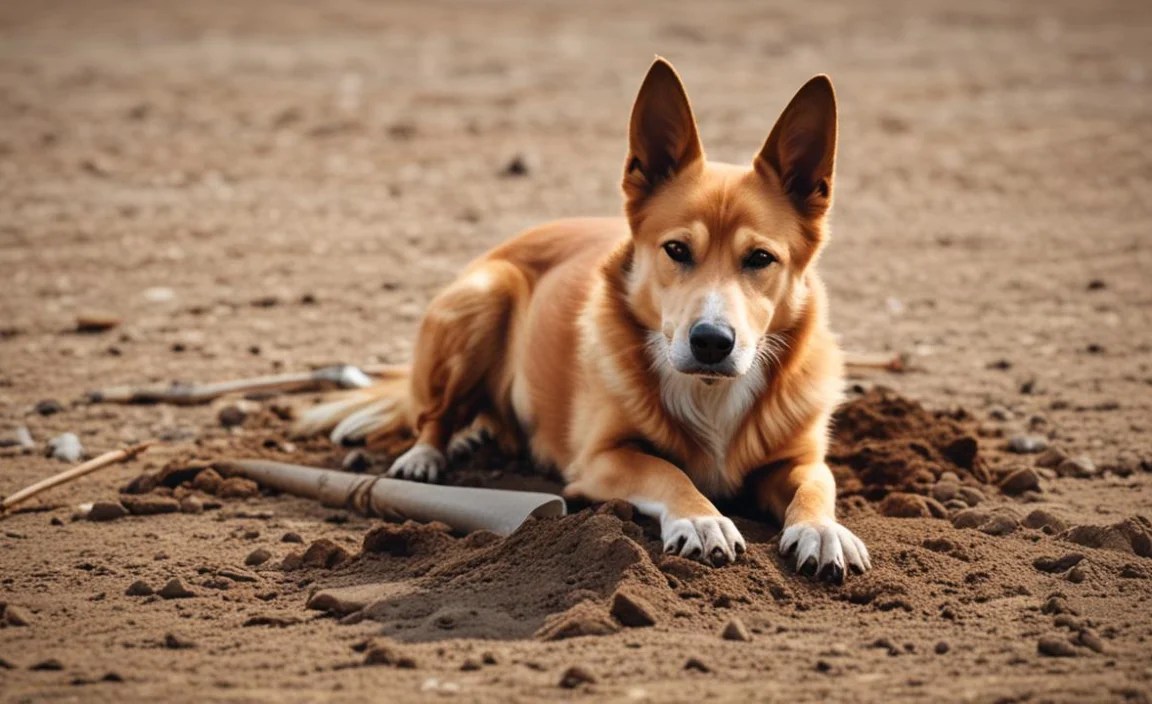
A tired dog is a good dog, and an enriched dog is a less destructive dog.
Physical Exercise: Ensure your dog is getting enough daily exercise. This means varied activities like brisk walks, runs, playing fetch, or visiting a dog park. The amount of exercise needed varies significantly by breed, age, and energy level.
Mental Stimulation: Boredom is a major culprit behind many digging issues. Engage your dog’s mind with puzzle toys, interactive feeders, training sessions, and scent games. Teaching new tricks or commands can also be a great outlet.
3. Redirection and Training

When you see digging behavior happening, it’s crucial to interrupt it and redirect your dog before it becomes a habit.
Interrupt and Redirect: If you catch your dog in the act of digging in an inappropriate spot, interrupt them with a firm but not frightening sound (like a clap or a sharp “Ah-ah!”). Immediately redirect them to an appropriate activity or toy. If they engage with the redirect, praise them enthusiastically.
Positive Reinforcement: Reward your dog heavily when they choose appropriate behaviors. This includes any time they are playing with their toys, resting calmly, or engaging with you instead of digging.
Discourage Digging in Specific Spots: For areas you want to protect, consider making them less attractive to diggers. Some people use deterrents like strategically placed rocks or chicken wire just under the surface of the soil. Others find that sprinkling a bit of your dog’s urine in the area can discourage them, as they tend to avoid digging where other dogs have marked. Note: Always use humane and safe deterrents.
4. Addressing Underlying Issues

If digging seems to be linked to anxiety, fear, or escape attempts, professional help might be necessary.
Veterinary Check-up: Rule out any medical conditions that might be contributing to anxiety or unusual behaviors.
Professional Trainer or Behaviorist: For persistent or severe digging problems, consulting a certified professional dog trainer or a veterinary behaviorist can be invaluable. They can help identify the specific triggers for your dog’s behavior and develop a tailored training plan.
Dealing with dog digging problems for beginners requires patience, consistency, and a good understanding of your dog’s needs. By providing adequate exercise, mental stimulation, clear boundaries, and positive reinforcement, you can help your canine companion redirect their natural digging instincts into more acceptable outlets, leading to a happier home for everyone. Remember, every dog is an individual, and what works for one might not work for another. Keep experimenting with different strategies, and celebrate every small victory along the way!

Meet Elyse Colburn, the devoted canine companion and storyteller behind the enchanting world of “Tales, Tails, and Adventures Unleashed.” A passionate dog enthusiast with a heart full of paw prints, Elyse Colburn shares heartwarming tales and insightful adventures, celebrating the joy, loyalty, and endless antics that make every dog a true hero. Join Elyse Colburn on this tail-wagging journey, where every post is a love letter to our four-legged friends.