
Dog digging problems are a common frustration for pet owners, turning well-manicured lawns into a minefield of holes. While it can be disheartening to see your garden turn into a lunar landscape, understanding why your dog digs is the first step towards finding effective and, dare we say, effortless solutions. This behavior, deeply ingrained in canine instincts, often stems from boredom, anxiety, a desire to escape, or simply the thrill of the chase. The good news is that with a little patience, observation, and a strategic approach, you can redirect this natural behavior and reclaim your yard.
Understanding the Roots of Canine Excavation Anxiety

Before we can combat the behavior, we need to understand its origins. Dogs don’t dig simply to annoy you. Their motivations are diverse:
Boredom and Excess Energy: A dog with pent-up energy and insufficient mental stimulation will often invent its own entertainment, and digging is a fantastic way to expend that energy. Long periods alone, lack of exercise, or a deficit in mentally challenging activities can all contribute.
Anxiety and Stress: Separation anxiety is a significant driver for digging. When left alone, a dog experiencing distress may try to dig to escape their perceived confinement or to find comfort objects. Fear from loud noises (thunderstorms, fireworks) can also trigger digging in an attempt to bury themselves or escape.
Prey Drive: Little critters like moles, voles, or even earthworms can trigger a dog’s natural hunting instinct. The scent and movement underground are irresistible lures, leading to enthusiastic excavation in pursuit of their quarry.
Comfort and Temperature Regulation: On hot days, dogs might dig to reach cooler soil beneath the surface. Conversely, they might dig to create a cozy den-like space for sleeping or feeling secure.
Escapism: If your dog is unhappy with its current environment or seeking adventure, digging under fences is a prime escape route.
Decoding Your Dog’s Digging: A Step-by-Step Approach
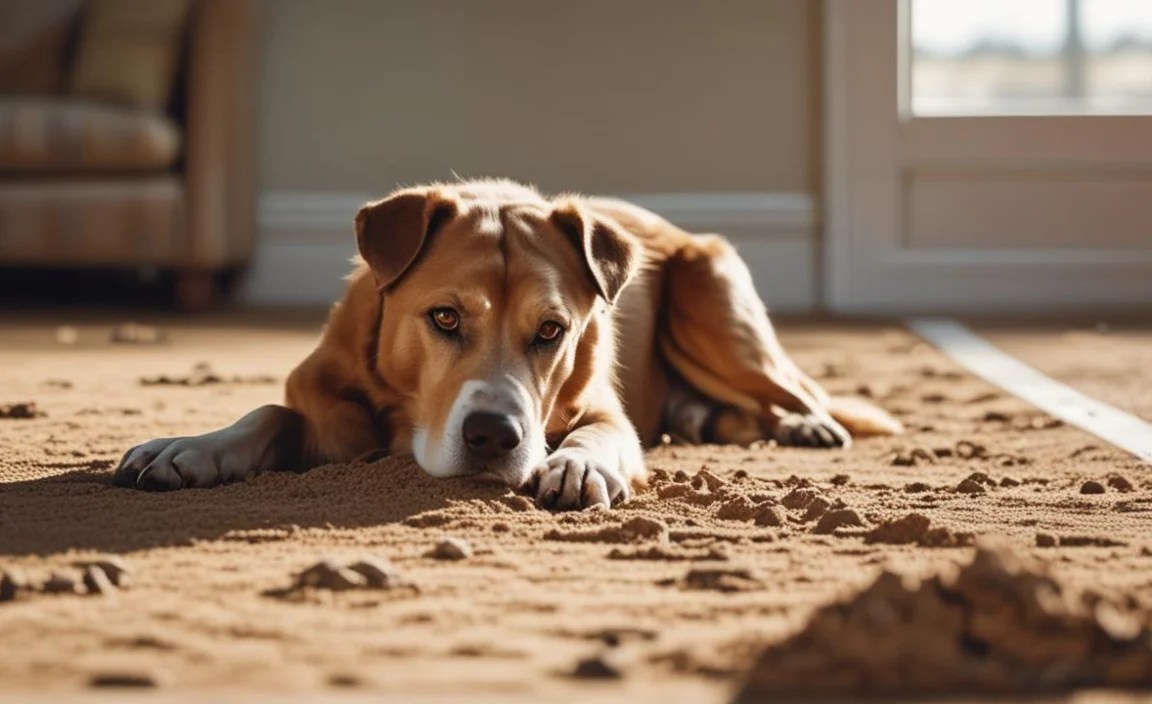
To tackle dog digging problems step by step, we first need to become detectives, observing our furry friends to pinpoint the underlying cause.
Step 1: Observe and Document. When does the digging occur? What triggers it? Is it when you’re home, or only when you’re away? Does it happen during thunderstorms? What does the digging look like – is it frantic and destructive, or methodical? Note the location of the holes. Are they near the fence, in flower beds, or in a specific corner of the yard? This information is crucial for tailor-made solutions.
Step 2: Rule Out Medical Issues. While rare, some medical conditions could theoretically lead to unusual behaviors, though it’s highly unlikely to be the primary cause of digging. Consult your veterinarian if you have any concerns about your dog’s general health.
Step 3: Assess and Address Boredom and Energy Levels. This is often the most impactful step.
Increase Physical Exercise: A tired dog is a good dog! Ensure your dog gets adequate daily exercise. This might mean longer walks, more vigorous play sessions, or visits to a dog park. Consider jogging with your dog if they are an athletic breed.
Mental Stimulation is Key: Puzzle toys that dispense treats, scent work games, and obedience training can tire out your dog mentally. Teach them new tricks or engage them in agility exercises. Rotate their toys to keep things interesting.
Step 4: Mitigate Anxiety and Stress Triggers.
Separation Anxiety: If separation anxiety is the culprit, consult a veterinarian or a certified professional dog trainer. Desensitization and counter-conditioning techniques, along with calming aids (like pheromone diffusers or anxiety vests), can be very effective. Never punish a dog for digging due to anxiety.
Environmental Stressors: For fear of noises, consult resources on noise phobias in dogs. Creating a safe den within your home and using white noise machines can help.
Step 5: Redirect Prey Drive.
Enrichment: Provide appropriate outlets for their hunting instincts. Interactive toys that mimic prey movement, like flirt poles, can satisfy this urge in a controlled manner.
Supervision: Supervise your dog when they are in the yard, especially during peak prey-drive times. If you see them showing interest in a particular spot, interrupt the behavior with a cue and redirect them to a more appropriate activity.
Implementing Effortless Solutions for Digging

Once you have a clearer understanding of the “why,” you can implement specific, often effortless, solutions.
Solution 1: The Designated Digging Zone
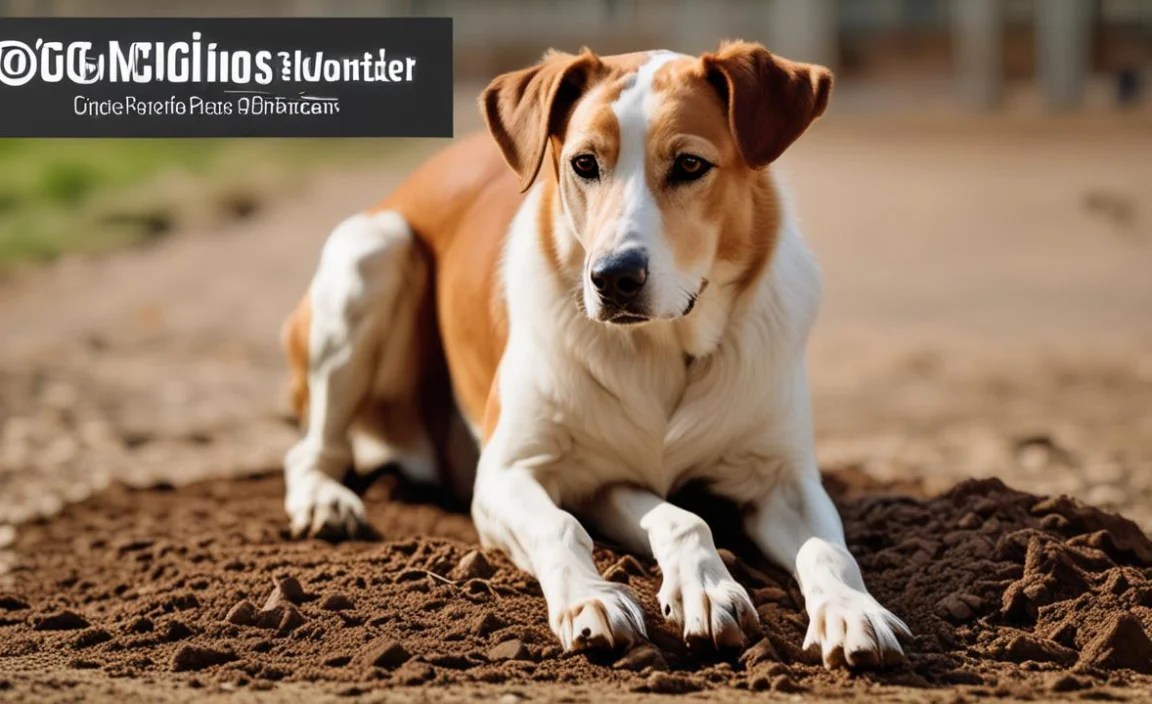
This is a highly effective method for dogs who dig out of instinct or for fun.
Create a Sandpit: Choose a corner of your yard and designate it as the “digging area.” Fill a child’s sandbox or a dug-out area with loose sand or soil. Bury toys or high-value treats in the sandpit to encourage your dog to use it.
Positive Reinforcement: When you see your dog digging in the designated zone, praise them enthusiastically and offer a treat. If you catch them digging elsewhere, gently redirect them to their sandpit. You can even toss a favorite toy into the sandpit to entice them.
Solution 2: Fortifying the Fence Line

If your dog is trying to escape or dig under the fence, reinforcement is crucial.
Bury Wire Mesh: Bury chicken wire or hardware cloth a foot under the ground, extending outwards into the yard from the fence line. This creates a barrier that prevents digging underneath. Ensure the edges are not exposed above ground, posing a hazard.
Large Rocks or Pavers: Line the base of the fence with large, heavy rocks or concrete pavers. This makes digging in that specific area more difficult and less appealing.
Solution 3: Deterrents (Use with Caution and Knowledge)
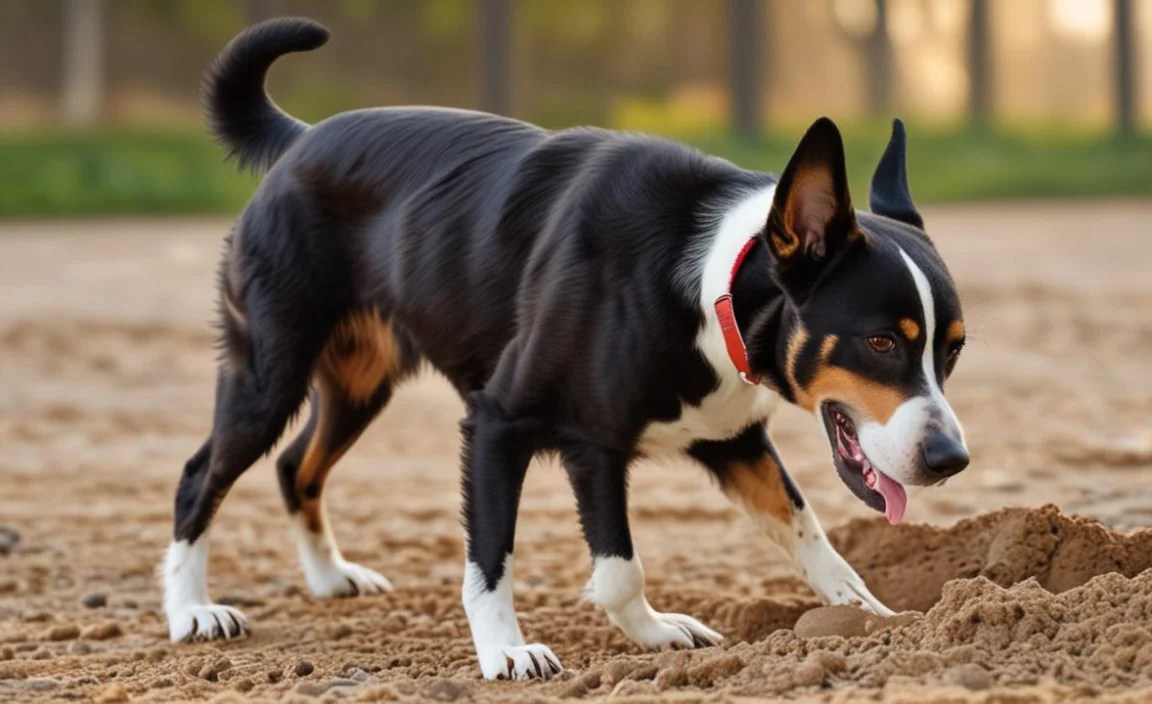
Deterrents should always be a last resort and used ethically, avoiding anything that causes undue distress or harm.
Unappealing Scents: Some dogs dislike the smell of citrus peels, cayenne pepper (use sparingly and with extreme caution, as it can irritate eyes and noses, so consider it a minimal option), or commercial dog repellent sprays. Apply these to areas where digging is a problem. Reapply regularly, especially after rain.
Physical Barriers: Place large rocks, logs, or planters in frequently dug areas. This makes the digging spot less accessible and appealing.
Solution 4: Consistency and Training

This is where the “effortless” part truly comes into play.
Consistency is Key: Whatever strategy you implement, be consistent. If you only redirect your dog sometimes, they will learn that digging is sometimes okay.
Positive Reinforcement: Focus on rewarding desired behaviors. Praise and treat your dog when they are calm and not digging, or when they use their designated digging zone.
Professional Help: If you’re struggling, don’t hesitate to seek guidance from a certified professional dog trainer or a veterinary behaviorist. They can provide personalized strategies and address complex behavioral issues.
By understanding the motivations behind your dog’s excavating habits and applying these straightforward, often effortless, solutions with consistency and positive reinforcement, you can effectively manage and overcome dog digging problems, ensuring a happier dog and a more pristine yard.

Meet Elyse Colburn, the devoted canine companion and storyteller behind the enchanting world of “Tales, Tails, and Adventures Unleashed.” A passionate dog enthusiast with a heart full of paw prints, Elyse Colburn shares heartwarming tales and insightful adventures, celebrating the joy, loyalty, and endless antics that make every dog a true hero. Join Elyse Colburn on this tail-wagging journey, where every post is a love letter to our four-legged friends.