
Finding the right dog food for allergies for labradors can feel like a daunting task, especially when your beloved furry friend is experiencing discomfort. Labradors, known for their robust nature and love for life, can sometimes be prone to skin sensitivities and digestive issues that point towards food allergies. These allergies can manifest in various ways, from itchy skin and ear infections to gastrointestinal upset like vomiting and diarrhea. The good news is that with the right approach to nutrition, you can significantly improve your Labrador’s quality of life.
Understanding what constitutes a food allergy in dogs is the first step towards finding a solution. Unlike intolerances, which are digestive responses, true food allergies involve an immune system reaction to specific protein sources in a dog’s diet. Common culprits include the proteins found in chicken, beef, dairy, soy, and even certain grains like wheat and corn. When a Labrador ingests an allergen, their immune system mistakenly identifies it as a threat, triggering a cascade of inflammatory responses that result in those uncomfortable symptoms.
Identifying Potential Allergens and Formulating a Solution

The process of identifying your dog’s specific allergens often involves a careful elimination diet. This typically means switching your Labrador to a novel protein source – one they haven’t encountered before – and a limited ingredient diet (LID). This approach helps to isolate the offending ingredient. For example, a diet featuring duck, venison, fish, or even more exotic proteins like kangaroo, paired with a novel carbohydrate source like sweet potato or peas, can be very effective.
When selecting dog food for allergies for labradors, look for formulas that are specifically designed for sensitive stomachs and skin. These foods often highlight their primary protein source and minimize the number of ingredients, reducing the chances of encountering a hidden allergen. Brands that focus on high-quality, easily digestible ingredients are also a good bet.
Here are some of the best options and considerations when navigating the world of allergy-friendly dog food:
Hypoallergenic and Limited Ingredient Diets (LID)

These diets are the cornerstone of managing food allergies in dogs. A limited ingredient diet typically contains one novel protein source and one carbohydrate source, drastically reducing the potential for allergic reactions. Hypoallergenic diets often go a step further, utilizing hydrolyzed proteins. Hydrolyzed proteins are broken down into tiny molecular sizes that the immune system is less likely to recognize as allergens.
When choosing an LID, pay close attention to the ingredient list. Even if the primary protein is novel, other ingredients like added flavorings, fillers, or preservatives could still trigger a reaction. Opt for brands that are transparent about their ingredient sourcing and manufacturing processes. For Labradors, looking for LIDs with omega-3 and omega-6 fatty acids is also crucial, as these nutrients play a vital role in supporting skin health and reducing inflammation.
Advanced Prescription Diets for Severe Allergies

For Labradors with severe or multiple allergies, veterinary-formulated prescription diets can be a lifesaver. These specialized foods are developed under the guidance of veterinary nutritionists and often contain highly specialized protein sources or extensively hydrolyzed proteins. They are rigorously tested to ensure they are hypoallergenic and nutritionally complete. While these diets can be more expensive, they are often the most effective solution for dogs with complex allergic profiles. Your veterinarian will be your best partner in determining if a prescription diet is the right choice for your Labrador and in recommending specific brands and formulas.
Key Ingredients to Look For (and Avoid)

When scrutinizing dog food for allergies for labradors, understanding beneficial and problematic ingredients is paramount.
Beneficial Ingredients:
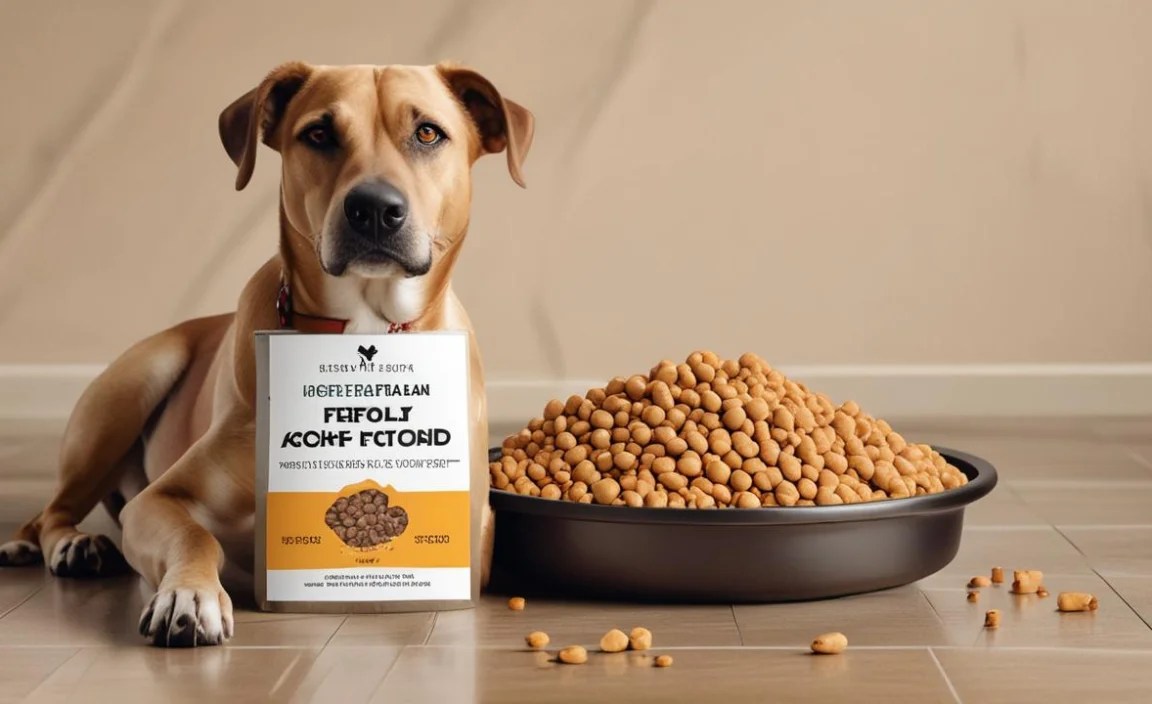
Novel Proteins: Duck, venison, lamb, salmon, whitefish, kangaroo, rabbit. These are less common in commercial dog foods, making them less likely to have been previously encountered by your dog’s immune system.
Easily Digestible Carbohydrates: Sweet potatoes, peas, lentils, potatoes, oats. These provide energy without commonly triggering grain allergies.
Omega-3 and Omega-6 Fatty Acids: Found in fish oil, flaxseed, and certain vegetable oils, these are critical for a healthy skin barrier and can help reduce inflammation and itching.
Probiotics and Prebiotics: These support a healthy gut microbiome, which is closely linked to overall immune function and can help manage digestive upset.
Antioxidants: Vitamins E and C, beta-carotene, and other antioxidants help support the immune system.
Ingredients to Be Wary Of:

Common Allergens: Chicken, beef, dairy, soy, wheat, corn, eggs. While some dogs can tolerate these in moderation, they are the most frequent triggers for food allergies.
Artificial Colors, Flavors, and Preservatives: These can sometimes cause adverse reactions in sensitive dogs.
By-products: While not inherently bad, by-products can be less digestible and may contain protein sources you are trying to avoid.
Making the Transition to New Food

Once you’ve selected a new dog food for allergies for labradors, it’s important to transition your dog to it gradually. A sudden switch can cause digestive upset. Mix a small amount of the new food with their old food, gradually increasing the proportion of the new food over 7-10 days. Closely monitor your dog during this period for any signs of worsening symptoms or new issues.
Beyond Diet: A Holistic Approach to Allergy Management

Remember that diet is often just one piece of the puzzle when managing allergies. Environmental allergies (like pollen or dust mites) can also cause similar symptoms and may require additional management strategies. Regular grooming, using hypoallergenic shampoos, and administering flea and tick preventatives are all crucial. If your Labrador is experiencing persistent itching or discomfort, consulting with your veterinarian is essential. They can help rule out other medical conditions, provide diagnostic tests, and offer tailored advice for your dog’s specific needs.
By carefully selecting the right dog food for allergies for labradors, you are investing in your furry companion’s comfort and well-being. With patience, observation, and the guidance of your veterinarian, you can help your Labrador thrive, free from the discomfort of allergic reactions.

Meet Elyse Colburn, the devoted canine companion and storyteller behind the enchanting world of “Tales, Tails, and Adventures Unleashed.” A passionate dog enthusiast with a heart full of paw prints, Elyse Colburn shares heartwarming tales and insightful adventures, celebrating the joy, loyalty, and endless antics that make every dog a true hero. Join Elyse Colburn on this tail-wagging journey, where every post is a love letter to our four-legged friends.