
Dog guarding food advice is a critical aspect of responsible pet ownership, stemming from a primal instinct that can pose significant challenges if not addressed. Understanding why your furry companion exhibits this behavior, and more importantly, how to manage and modify it, is key to fostering a harmonious environment for both you and your dog. This deeply ingrained behavior, often referred to as resource guarding, can manifest in various ways, from subtle growls to outright aggression when another person or animal approaches their prized possession, which in this case, is their food.
Understanding the Roots of Dog Guarding Food

Before diving into solutions, it’s essential to grasp the underlying reasons for this behavior. In the wild, animals must protect their food sources to survive. Dogs, as descendants of wolves, carry this innate drive. Resource guarding isn’t necessarily a sign of a “bad” dog; it’s a natural behavior amplified by the domestic environment. Several factors can contribute to intensified food guarding:
Scarcity in the Past: Dogs who have experienced food scarcity, perhaps through past neglect or a history of competing for resources, may develop strong guarding tendencies.
High Value Resources: Dogs naturally guard items they perceive as highly valuable. For some, this is food, while for others, it might be a favorite toy, a comfortable bed, or even a person.
Genetics and Breed Predisposition: Certain breeds may have a higher propensity for guarding behaviors due to their original working roles.
Learned Behavior: If a dog has previously successfully driven away another dog or person from their food, they learn that guarding is an effective strategy.
Anxiety and Insecurity: A dog who feels insecure or anxious about their overall well-being might exhibit guarding as a coping mechanism to ensure they have what they need.
Essential Dog Guarding Food Advice: Early Intervention and Prevention

The best approach to dealing with resource guarding is prevention, especially if you’re bringing a new puppy into your home. Early socialization and positive exposure to various situations can significantly mitigate the development of these behaviors.
Positive Mealtime Management: Make feeding time a positive experience for your dog, not a battleground. Avoid hovering over their food bowl or startling them during meals. Instead, practice “trading up.” This involves offering your dog something even more desirable (like a high-value treat) in exchange for their food bowl. Gently pick up the bowl, drop in a treat, and return it to them. This teaches them that their food bowl being approached or removed can lead to a good outcome.
Desensitization and Counter-Conditioning: Gradually expose your dog to people and other pets approaching them while they eat, starting from a distance where they show no signs of discomfort. As they remain relaxed, slowly decrease the distance. Always pair these approaches with positive reinforcement – a treat or praise. The goal is to change their emotional response from anxiety or possessiveness to anticipation of something pleasant.
Controlled Introductions to Other Pets: If you have multiple pets, feed them separately to prevent any competition. Ensure each animal has their own safe space and resources. Never leave them unsupervised with their food unless you are absolutely certain they are comfortable and not exhibiting any guarding behaviors.
Strategies for Existing Dog Guarding Food Issues

If your dog is already displaying guarding behavior, it requires a more structured and consistent approach. Patience and understanding are paramount.
Never Punish Aggression: Punishing a dog for growling or showing teeth when guarding their food can be counterproductive. It may suppress the warning signals, leading to a dog that bites without prior indication, making the situation more dangerous. Instead, focus on redirecting and positively reinforcing calm behavior.
Increase Distance: Begin managing the situations where guarding occurs. If your dog guards their food from other pets, feed them in separate rooms for now. If they guard from people, ensure adequate space during mealtimes. The goal is to prevent the behavior from being practiced.
Work with a Professional: For severe cases of resource guarding, or if you’re struggling to make progress, consulting a certified professional dog trainer or a veterinary behaviorist is highly recommended. They can assess your dog’s specific situation, identify triggers, and develop a tailored behavior modification plan. They can also determine if there are underlying medical issues contributing to the behavior.
Building Trust and Reinforcing Good Behavior
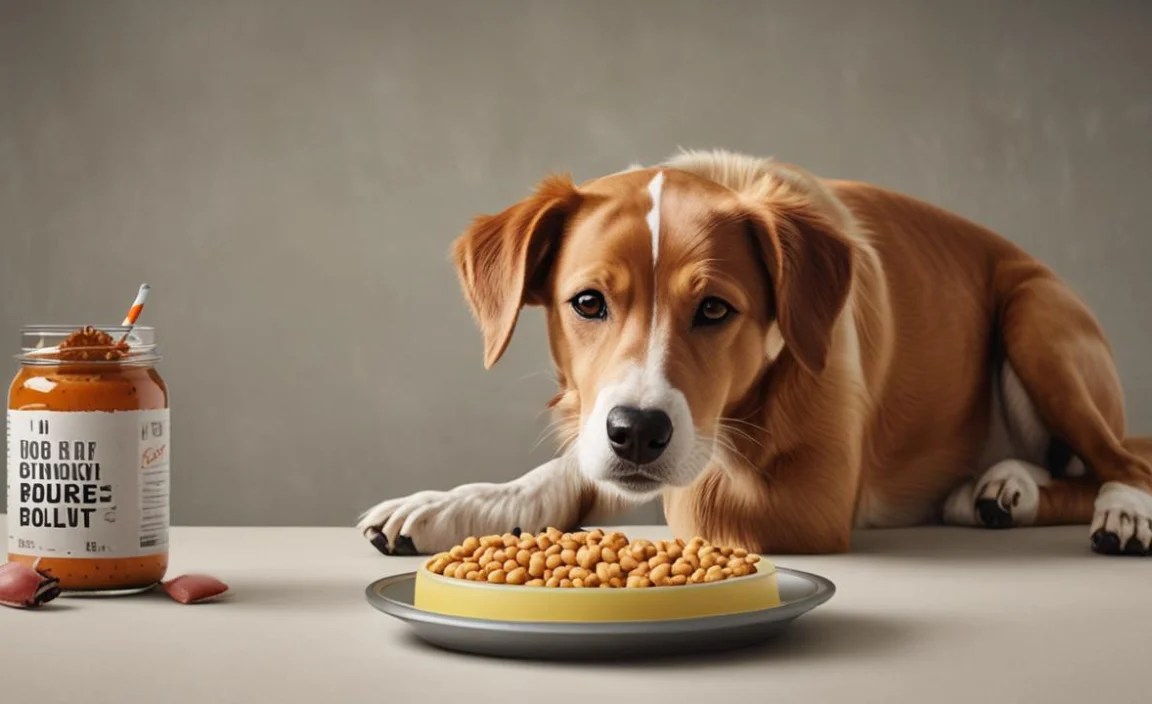
The most effective dog guarding food advice ultimately revolves around building a strong foundation of trust with your dog. When your dog trusts that you will provide for them and not take away their resources unfairly, they are less likely to feel the need to guard them.
Consistent Routine: A predictable routine for feeding, exercise, and training can reduce general anxiety in dogs, which can indirectly help with resource guarding.
Positive Reinforcement Training: Continue with positive reinforcement for all desired behaviors. This strengthens your bond and teaches your dog that interacting with you leads to good things.
Respect Their Space: While you need to manage and modify resource guarding, it’s also important to respect your dog’s need for their own space and belongings. Avoid unnecessarily encroaching on their dog bed or toys unless you are actively working on a management plan with a professional.
Addressing dog guarding food is a journey that requires commitment and a deep understanding of canine behavior. By focusing on prevention, implementing consistent management strategies, and always prioritizing positive reinforcement, you can help your dog overcome this instinct and ensure a safe and happy coexistence for everyone.

Meet Elyse Colburn, the devoted canine companion and storyteller behind the enchanting world of “Tales, Tails, and Adventures Unleashed.” A passionate dog enthusiast with a heart full of paw prints, Elyse Colburn shares heartwarming tales and insightful adventures, celebrating the joy, loyalty, and endless antics that make every dog a true hero. Join Elyse Colburn on this tail-wagging journey, where every post is a love letter to our four-legged friends.