
The scenario is a familiar one for many dog owners: a seemingly innocent mealtime that quickly escalates into tension. Your furry friend, usually a picture of canine companionship, transforms into a protective sentinel the moment their food bowl appears. This behavior, often referred to as resource guarding, can range from subtle nudges and growls to outright aggression. Understanding dog guarding food fast is the first step towards managing and ultimately mitigating this instinctual, yet often problematic, behavior. It’s a natural canine trait, rooted in their ancestral need to secure vital resources, but in a modern home, it can create stress for both pets and their humans.
The Roots of Canine Resource Guarding

Resource guarding in dogs is nothing new. In the wild, securing food was crucial for survival. A dog that actively defended its kill or its territory was more likely to thrive. This innate drive hasn’t disappeared; it’s merely expressed in a different context within our homes. When a dog views their food bowl, toys, or even a favorite sleeping spot as a precious resource, they may exhibit guarding behaviors to prevent perceived threats – even if that threat is simply you reaching for a dropped crumb. The speed at which this guarding response can manifest is often startling. One moment the dog is happily munching, the next, they’re a coiled spring, ready to defend their prize. This rapid shift is a key indicator of the deeply ingrained nature of this protective instinct.
Identifying the Signs of Food Guarding

Recognizing the subtle, and not-so-subtle, cues your dog is giving is paramount. Before any overt aggression occurs, there are often early warning signs. These can include:
Stiffening the body: Your dog might freeze in place, their muscles tensed.
Hard staring: Direct, unblinking eye contact, often with a lowered head.
Growling: A low rumble that escalates as the perceived threat gets closer.
Snapping or lunging: A more assertive warning when growls are ignored.
Swallowing food quickly: An attempt to get the food down before it can be taken.
Licking lips or yawning: These can be signs of stress and appeasement in a dog feeling uncomfortable.
Placing a paw or muzzle over the bowl: A physical barrier to deter interference.
The “fast” aspect of dog guarding food fast refers to how quickly these behaviors can emerge. A dog that was perfectly relaxed seconds before can become intensely focused and defensive the instant they feel their meal is at risk. Understanding these early indicators allows you to intervene before the situation escalates into a bite.
Why Does My Dog Guard Food So Fast?

The speed at which some dogs guard their food is often tied to their individual temperament, past experiences, and breed predispositions. A dog that has experienced scarcity or competition for resources in the past may be more prone to guarding. Similarly, breeds known for their protective instincts might exhibit this behavior more readily. However, even well-socialized dogs can develop this behavior if they perceive their food as something valuable and vulnerable. The “fast” activation of this guarding instinct is a testament to how deeply these survival instincts are embedded. It’s not necessarily a sign of malice, but rather a programmed response to protect what they believe is theirs.
Strategies for Effortless Defense Against Dog Guarding Behavior

The good news is that resource guarding, including the rapid onset of dog guarding food fast, can be managed with patience, consistency, and the right techniques. The goal isn’t to eliminate the instinct entirely, but to teach your dog that they don’t need to guard their food and that resources are safe, even when humans are around.
1. Desensitization and Counter-Conditioning

This is the cornerstone of addressing resource guarding. The aim is to change your dog’s emotional response from anxiety and possessiveness to one of positive association with your presence around their food.
High-Value Treats: Start with treats your dog absolutely loves.
Gradual Approach: Begin by simply being in the same room as your dog while they eat. If they show any signs of guarding, you are too close.
The “Trade-Up” Game: With your dog’s regular kibble, toss a few high-value treats near their bowl between kibble pieces. The goal is to have your dog associate your approach with good things. When they finish eating, you can offer these extra special treats. This teaches them that your presence enhances their meal, rather than threatening it.
Controlled Interventions: Once your dog is comfortable with you nearby, you can practice picking up their bowl and immediately trading it for a much tastier treat. Then, give the bowl back. This teaches them that you won’t take their food away permanently and that relinquishing it is rewarding.
2. Management and Prevention
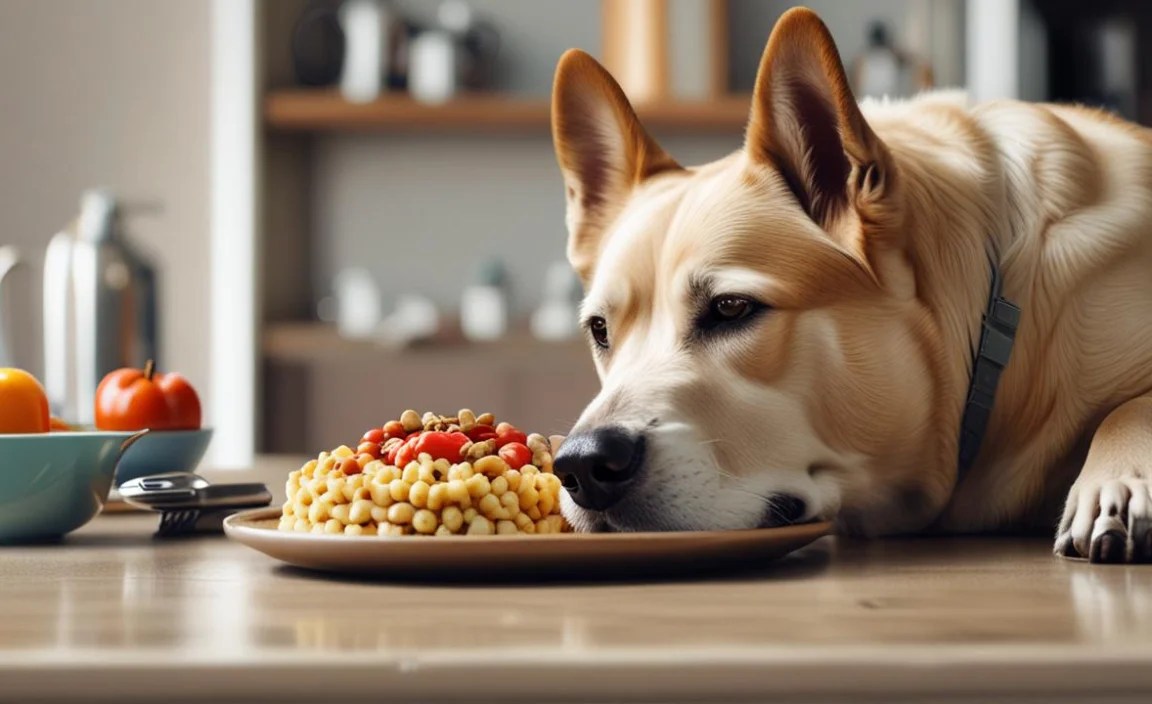
While you work on training, management is crucial to prevent incidents and reinforcing the guarding behavior.
Feed in a Safe Space: Feed your dog in an area where they won’t be disturbed, such as their crate or a separate room.
Avoid Crowding: Do not allow children or other pets to approach your dog while they are eating.
Enrichment Feeders: Use slow feeders, puzzle toys, or Kongs stuffed with food. This prolongs the meal and provides mental stimulation, reducing the likelihood of them having excess energy to guard.
3. Never Punish Guarding Behavior
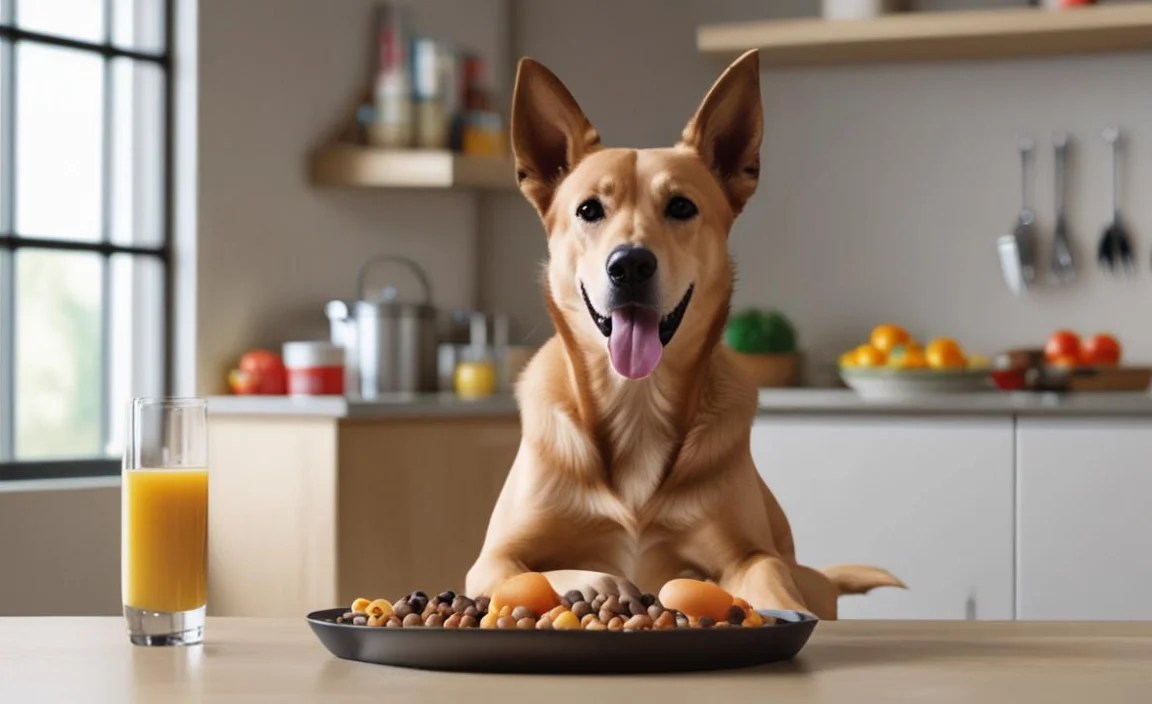
Punishing a dog for growling or snapping can suppress the warning signs, making them more likely to bite without giving any prior indication. This is exceptionally dangerous when dealing with issues of dog guarding food fast, as it removes the crucial early warning signals. Instead, focus on positive reinforcement and creating positive associations.
When to Seek Professional Help
If your dog’s resource guarding is severe, if they have bitten someone, or if you are struggling to make progress, it is vital to consult a certified professional dog trainer or a veterinary behaviorist. They can assess your dog’s specific situation, identify the root cause of the guarding, and develop a tailored training plan. Trying to tackle intense guarding behavior without expert guidance can be ineffective and even dangerous.
Understanding the instinct behind dog guarding food fast is the first step towards a peaceful mealtime. By employing consistent training, proactive management, and a deep understanding of your dog’s communication, you can transform a source of stress into a continued demonstration of trust and companionship.

Meet Elyse Colburn, the devoted canine companion and storyteller behind the enchanting world of “Tales, Tails, and Adventures Unleashed.” A passionate dog enthusiast with a heart full of paw prints, Elyse Colburn shares heartwarming tales and insightful adventures, celebrating the joy, loyalty, and endless antics that make every dog a true hero. Join Elyse Colburn on this tail-wagging journey, where every post is a love letter to our four-legged friends.