
Dog guarding food tips are a crucial aspect of responsible dog ownership, aiming to prevent a common and potentially problematic behavior. Resource guarding, wherein a dog exhibits possessive behavior over food, toys, or even people, can stem from instinctual drives, past negative experiences, or a lack of proper socialization. While it might seem alarming, understanding the root causes and implementing preventative strategies can significantly reduce the likelihood of this behavior developing or escalating. The good news is that prevention is often far easier and more effective than trying to correct established guarding tendencies.
Resource guarding is a spectrum, and what might appear as mild possessiveness in one dog could manifest as outright aggression in another. It’s important to recognize the subtle signs before they become major issues. These can include a stiffening of the body, a low growl, lip licking, hard stares, or even snapping. Many owners might initially overlook these signals, mistaking them for playful possessiveness. However, early intervention is key to fostering a harmonious living environment for both your dog and your family. The aim isn’t to eliminate a dog’s natural instinct to protect its resources entirely, but rather to teach them that resources are abundant and that they don’t need to be stressed or fearful about them.
Understanding Why Dogs Guard Food

At its core, dog guarding food tips often start with understanding the “why.” Dogs are descended from pack animals, and in a wild setting, competition for resources could be fierce. While our pampered canine companions may have regular meals provided, their primal instincts haven’t entirely disappeared. A dog might guard food because:
Instinctual Behavior: It’s a deeply ingrained survival mechanism. They feel a need to protect what they perceive as vital for their survival.
Past Experiences: If a dog has experienced scarcity in the past, either through abandonment, shelter life, or even inconsistent feeding, they might feel a constant need to ensure their food supply.
Insecurity or Fear: A dog that is generally anxious or insecure might guard resources as a way to feel more in control.
Learned Behavior: If a dog has successfully guarded food in the past and received no negative consequences (or even perceived positive outcomes, like the other dog backing down), they may learn that guarding is an effective strategy.
Genetics: Certain breeds might be predisposed to more possessive traits, though individual temperament plays a much larger role.
Recognizing these underlying reasons helps tailor your approach to prevention. It’s not about punishment, but about building trust and security.
Proactive Dog Guarding Food Tips for Puppies

The most effective way to prevent food guarding is to start early with puppies. Introducing them to various handling scenarios from a young age can help desensitize them to potential triggers. Here are some foundational dog guarding food tips for young pups:
Gradual Food Introduction: Allow your puppy to eat their meals in peace. Don’t hover over them or try to take their food away. Instead, focus on positive associations.
“Trading Up” Games: While your puppy is eating, casually walk by and drop a high-value treat (like a piece of chicken or cheese) into their bowl. They’ll learn that people approaching their food bowl result in something good happening. This teaches them that your presence around their food is a positive event, not a threat.
Controlled Interruptions: Once your puppy is comfortable with the trading game, you can practice briefly picking up the bowl and immediately putting it back down, rewarding them afterwards. Start with very short durations and gradually increase them. The key is to make these interactions brief and positive.
Varying Feeding Locations: Feed your puppy in different safe locations around the house. This helps them associate food with various environments and reduces the chance of them becoming possessive in one specific spot.
Socialization: Expose your puppy to calm, well-behaved adult dogs and to different people in a controlled and positive manner. This helps them learn appropriate social cues and reduces general anxiety.
Preventing Food Guarding in Adult Dogs

While prevention is ideal, it’s not impossible to address food guarding behaviors in adult dogs. It requires patience, consistency, and a focus on building trust. Here are some essential dog guarding food tips for adult dogs:
Management is Key: Until you’ve made significant progress, it’s crucial to manage the situation. This means feeding your dog separately from other pets and children. Ensure that no one approaches their food while they are eating, and remove the bowl once they’ve finished. This prevents opportunities for guarding to occur and potentially escalate.
Enrichment and Satisfaction: Ensure your dog is getting enough physical and mental stimulation. A tired and fulfilled dog is often a less anxious dog, which can reduce the likelihood of resource guarding. Puzzle feeders and interactive toys can help satisfy their mental needs.
Positive Reinforcement Training: Focus on positive reinforcement. Teach your dog basic obedience commands like “sit,” “stay,” and “leave it.” These commands build communication and trust, and a solid “leave it” command can be invaluable.
Desensitization and Counter-Conditioning: This is a more advanced technique that should be approached with caution and ideally with guidance from a professional trainer. The goal is to change the dog’s emotional response to someone approaching their food. This involves associating the presence of people near their food with positive experiences, like receiving very high-value treats. Start at a distance where the dog is not exhibiting guarding behavior and gradually decrease the distance as their comfort level increases.
* Avoid Punishment: Never punish a dog for guarding food. This can make them more anxious and fearful, potentially leading to more severe guarding behaviors or even bites. The goal is to teach them to be comfortable and confident, not to suppress their instincts through fear.
When to Seek Professional Help
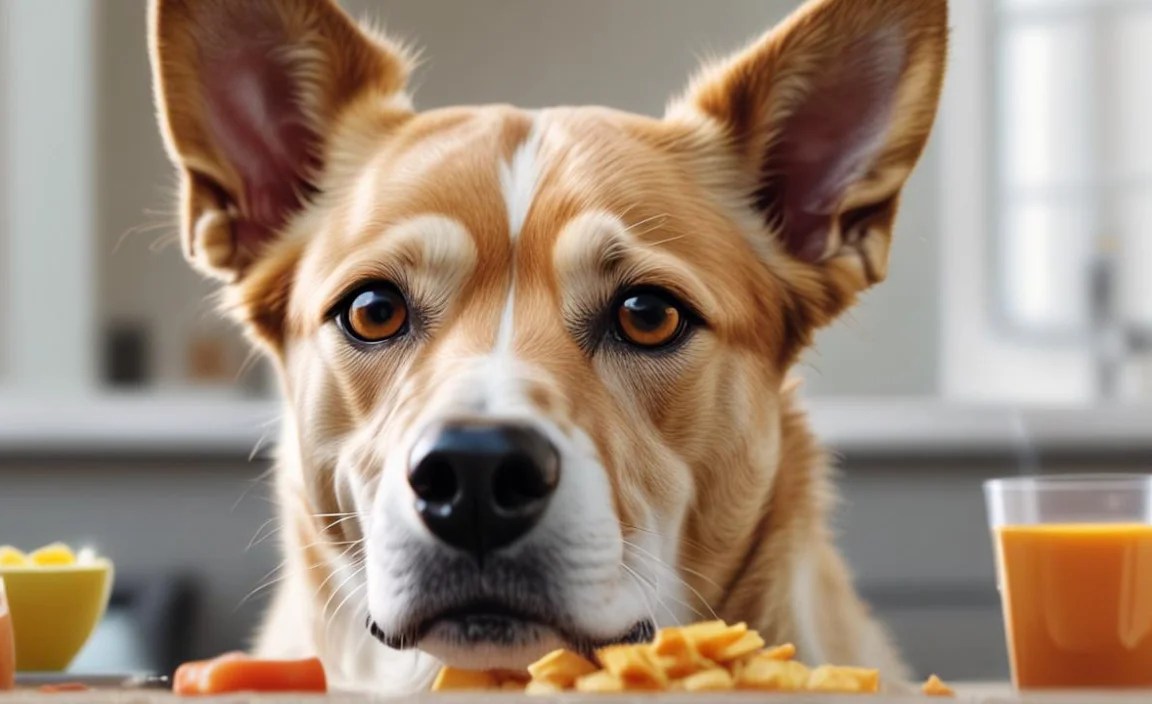
While many cases of food guarding can be managed at home with consistent effort and the right dog guarding food tips, some situations require professional intervention. If your dog’s guarding behavior is severe, if they have a history of aggression, or if you feel unsafe, it is paramount to consult a certified professional dog trainer or a veterinary behaviorist. They can assess the specific situation, identify the underlying causes, and develop a tailored behavior modification plan. Early intervention and professional guidance can make a significant difference in ensuring the safety and well-being of everyone involved.
Preventing dog guarding food tips are not about stripping your dog of their natural instincts, but rather about channeling those instincts into a manageable and secure environment. By understanding the motivations behind the behavior and implementing consistent, positive strategies, you can build a stronger bond with your dog and ensure a peaceful coexistence around meal times.

Meet Elyse Colburn, the devoted canine companion and storyteller behind the enchanting world of “Tales, Tails, and Adventures Unleashed.” A passionate dog enthusiast with a heart full of paw prints, Elyse Colburn shares heartwarming tales and insightful adventures, celebrating the joy, loyalty, and endless antics that make every dog a true hero. Join Elyse Colburn on this tail-wagging journey, where every post is a love letter to our four-legged friends.