
Dog guarding food training is a crucial aspect of responsible pet ownership, aiming to prevent or manage resource guarding behaviors that can lead to aggression and bite incidents. While many dogs display mild possessiveness over their food, a full-blown guarding response can be distressing and dangerous for both the dog and its human family. Understanding the roots of this behavior and implementing effective training strategies can foster a trusting relationship and ensure a safe environment for everyone.
At its core, resource guarding stems from a dog’s natural instinct to protect valuable possessions, which in their mind, includes their food. This instinct can be amplified by past experiences, insecurity, or even perceived threats. The goal of dog guarding food training isn’t to eliminate all possessiveness, but rather to teach your dog that resources are not scarce, that humans are not a threat, and that they don’t need to defend their food.
Understanding the Nuances of Food Guarding

Before diving into training, it’s essential to recognize the different manifestations of food guarding. This can range from subtle signs like stiffening, a hard stare, or a low growl when a human approaches their bowl, to more severe reactions like snapping, lunging, or biting. Observing your dog’s body language is paramount. A stiffening body, bared teeth, a deep growl, or even just a shift in weight can all indicate that your dog is feeling uneasy about their food.
It’s important to differentiate between true guarding and simple enjoyment of their meal. A dog that happily eats while you are nearby is likely not guarding. The key indicators are expressions of tension, avoidance, or offensive behaviors as you get closer to their food. If you notice these signs, it’s time to address the issue proactively.
Essential Principles for Dog Guarding Food Training

The foundation of successful dog guarding food training lies in building trust and positive associations. The central idea is to teach your dog that humans approaching their food bowl is a positive experience, leading to good things.
Never Punish Guarding Behavior: Punishing a dog for growling or snapping when they guard food is counterproductive. It silences the warning signal without addressing the underlying fear or insecurity. This can lead a dog to suppress their growls and go straight to biting, making the situation more dangerous.
Focus on Positive Reinforcement: Use high-value treats that your dog absolutely loves. These should be a step above their regular kibble. The goal is to make your presence around their food a predictor of delicious rewards.
Desensitization and Counter-Conditioning: This is the cornerstone of most dog guarding food training programs. It involves gradually exposing your dog to the trigger (you approaching their food) at a level that doesn’t provoke a guarding response, and pairing it with something positive.
Management is Key (Initially): While you are working on training, it’s vital to manage the situation to prevent opportunities for guarding. This might mean feeding your dog in a separate, quiet space where they feel secure and won’t be disturbed.
Practical Steps for Effective Dog Guarding Food Training
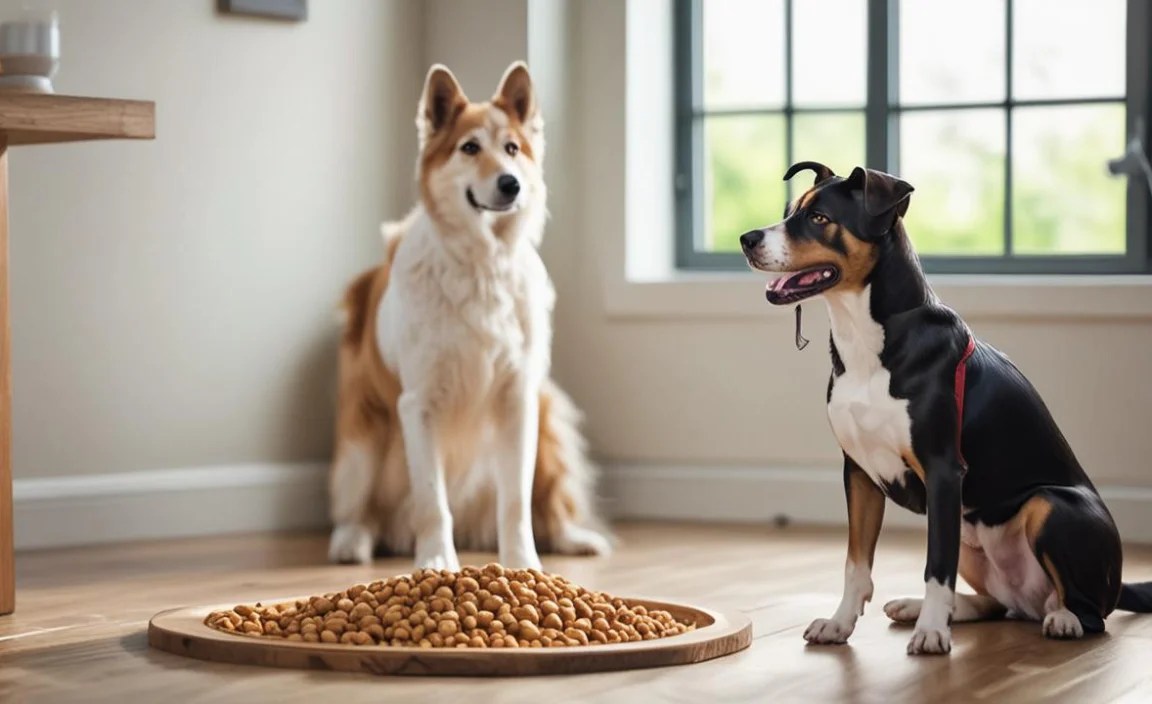
Here’s a breakdown of how to implement effective dog guarding food training strategies:
1. The “Trading Up” Game: This is a fundamental exercise. Start with your dog eating from their bowl. Approach them calmly, and when they look at you, offer a very high-value treat (like a piece of chicken or cheese) and move away. As they finish the treat, you can step back to their bowl. The goal is to teach them that when you appear, something even better might be coming, and you don’t want their food. Repeat this several times during their meal.
2. Adding Value to the Bowl: With your dog eating, slowly toss a few of their favorite treats into their bowl from a distance. This reinforces the idea that your presence by their food bowl is a positive event. The treats should be dropped into the bowl, not added to their mouth, so they learn to look in the bowl for the reward.
3. Gradual Proximity: Once your dog is comfortable with you approaching and tossing treats, you can gradually decrease the distance. Start by reaching towards the bowl, then briefly touching it, before you offer the trade-up treat. Always gauge your dog’s reaction. If they show any signs of discomfort, you’ve moved too fast and need to go back a step.
4. “Leave It” and “Drop It” Commands: These commands are invaluable. Practicing “leave it” with everyday objects and then with food items in controlled environments can help build impulse control. “Drop it” teaches them to release something they have. These commands can be lifesavers in situations where accidental resource guarding might occur.
5. Feeding in Different Locations: As your dog improves, practice feeding them in various locations around the house. This helps generalize the learned behaviors and demonstrates that their food is safe no matter where they are eating.
6. Consider Professional Help: If your dog exhibits severe guarding behavior, such as lunging, snapping, or biting, it is crucial to consult a certified professional dog trainer or a veterinary behaviorist. They can assess the severity of the issue, identify underlying causes, and develop a tailored training plan that is safe and effective for your specific situation. They can also help you understand the nuances of dog guarding food training that might be specific to your dog’s breed or temperament.
Building a Lifelong Bond of Trust

Dog guarding food training is not a quick fix, but a process of building trust and clear communication. It requires patience, consistency, and a deep understanding of canine behavior. By consistently reinforcing positive associations and managing situations to prevent the behavior from escalating, you can help your dog feel secure and confident, transforming potentially stressful mealtimes into peaceful family interactions. Remember, the ultimate goal is to create a safe and harmonious environment where both you and your beloved canine companion can thrive.

Meet Elyse Colburn, the devoted canine companion and storyteller behind the enchanting world of “Tales, Tails, and Adventures Unleashed.” A passionate dog enthusiast with a heart full of paw prints, Elyse Colburn shares heartwarming tales and insightful adventures, celebrating the joy, loyalty, and endless antics that make every dog a true hero. Join Elyse Colburn on this tail-wagging journey, where every post is a love letter to our four-legged friends.