
Experiencing dog jealousy issues training can be a source of frustration and concern for many pet owners. Seeing your beloved canine companion display signs of possessiveness, anxiety, or even aggression towards new family members, other pets, or even specific people can be disheartening. However, understanding the root causes of this behavior and implementing the right training strategies can lead to effortless solutions, fostering a more harmonious household for everyone involved. Contrary to popular belief, dog jealousy isn’t necessarily a sign of a “bad” dog, but rather an emotional response that can be managed and redirected with patience and consistency.
Understanding the Roots of Dog Jealousy

Before diving into training, it’s crucial to identify what might be triggering your dog’s jealous behavior. Often, these issues stem from a perceived threat to resources they value. These resources can include:
Attention and Affection: Your dog may feel threatened if they believe they are losing your undivided attention. This is particularly common when a new baby arrives, a new pet joins the family, or even when a significant other enters the picture.
Physical Space: Some dogs can become jealous of others encroaching on their favorite napping spots, their food bowls, or even your personal space.
Toys and Valued Items: A dog might display possessiveness over specific toys or objects they consider “theirs.”
Social Hierarchy (Perceived): While not as structured as a wolf pack, dogs do form social bonds. A dog might exhibit jealousy if they perceive a new addition as usurping their position within the “family pack.”
Insecurity and Lack of Confidence: A dog lacking confidence might exhibit jealous behaviors out of fear of being replaced or abandoned.
Recognizing the Signs of Dog Jealousy

Identifying jealousy early is key to addressing it effectively. Common signs include:
Staring: Your dog might fixate on the person or animal they feel threatened by.
Pawing or Nudging: They may try to physically insert themselves between you and the object of their perceived jealousy, nudging for attention.
Whining or Barking: Vocalizations can be an indicator of distress or a demand for attention.
Blocking: Actively positioning themselves to obstruct interaction between you and the other party.
Displacement Behaviors: Lip licking, yawning, or excessive panting when the jealous trigger is present.
Aggression: Growling, snapping, or even biting can occur in more severe cases.
Effortless Solutions for Dog Jealousy Issues Training
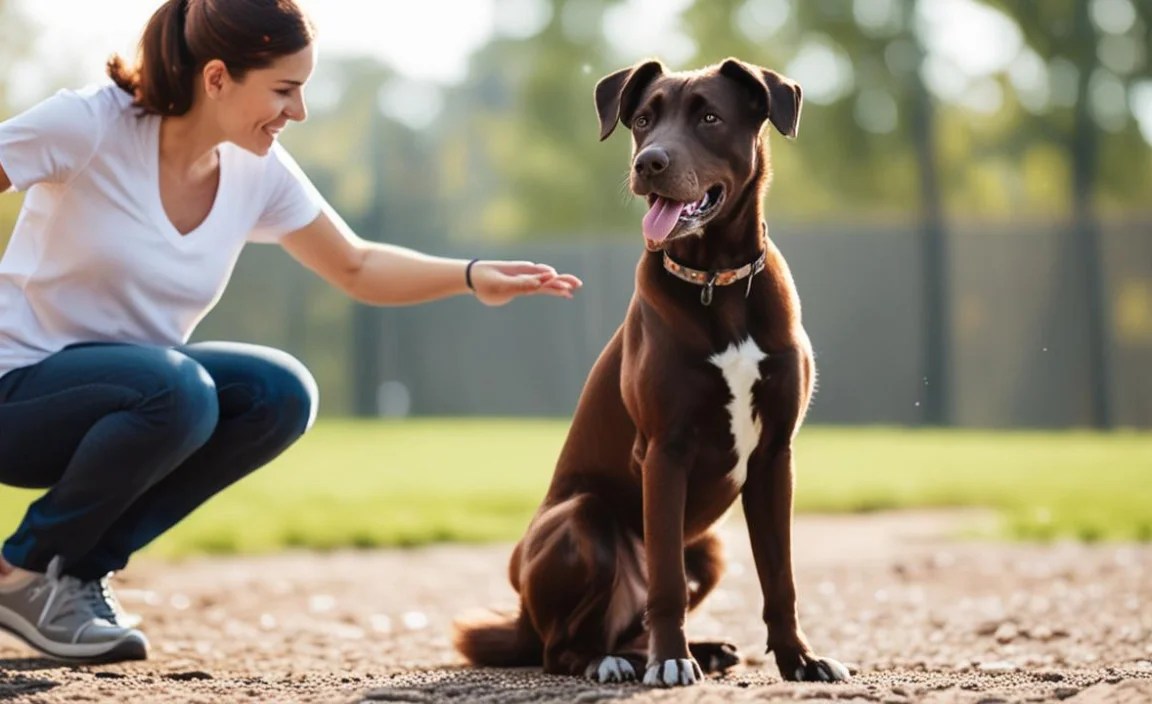
The good news is that with the right approach, navigating dog jealousy issues training can be surprisingly effortless. It’s not about punishing your dog, but about teaching them that new additions and changes bring positive experiences.
1. Proactive Prevention and Management
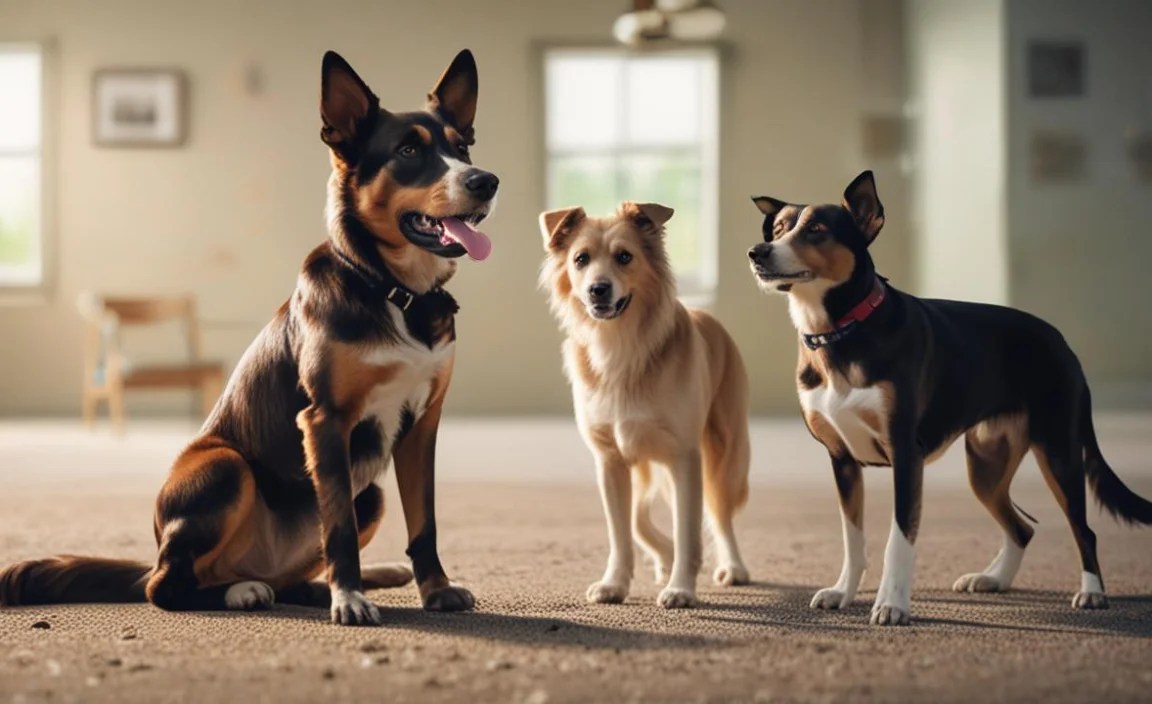
The best defense is a good offense. If you anticipate a new addition, start preparing your dog in advance. Gradually accustom them to the sounds, smells, and presence of the new element (e.g., let them sniff baby items, allow them to see a new pet from a distance). Management is also crucial in the initial stages. Prevent situations where jealousy can escalate by:
Controlled Introductions: Introduce new people or pets in a calm, controlled environment, keeping the dog on a leash initially.
Supervised Interactions: Never leave a dog exhibiting jealous behavior unsupervised with the trigger.
Separation: If necessary, provide separate spaces for your dog and the source of their jealousy, especially during feeding or when you’re trying to bond with the new addition.
2. Positive Reinforcement for Calmness
This is the cornerstone of effortless jealousy training. When your dog is calm and relaxed in the presence of the trigger, reward them generously.
Desensitization and Counter-Conditioning: Gradually expose your dog to the trigger at a distance where they remain calm. While they are calm, offer high-value treats or praise. Slowly decrease the distance over time. For example, if your dog is jealous of your partner, have your partner offer treats to your dog (when your dog is calm) or engage in positive interactions.
Reward Neutrality: Reward your dog for simply ignoring the trigger or behaving neutrally. This teaches them that the presence of the other person or animal doesn’t necessitate their anxiety or possessiveness.
3. Ensuring Your Dog’s Needs are Met
A secure and fulfilled dog is less likely to be jealous. Ensure your dog’s basic needs are consistently met:
Adequate Exercise: A tired dog is a well-behaved dog. Ensure they are getting enough physical and mental stimulation.
Consistent Routine: Dogs thrive on predictability. Maintain regular feeding times, potty breaks, and training sessions.
Quality Time: Dedicate specific, focused time to your dog each day. This reinforces their bond with you and assures them they are still a priority. This quality time should be free from the triggers of their jealousy.
4. Teaching Alternative Behaviors
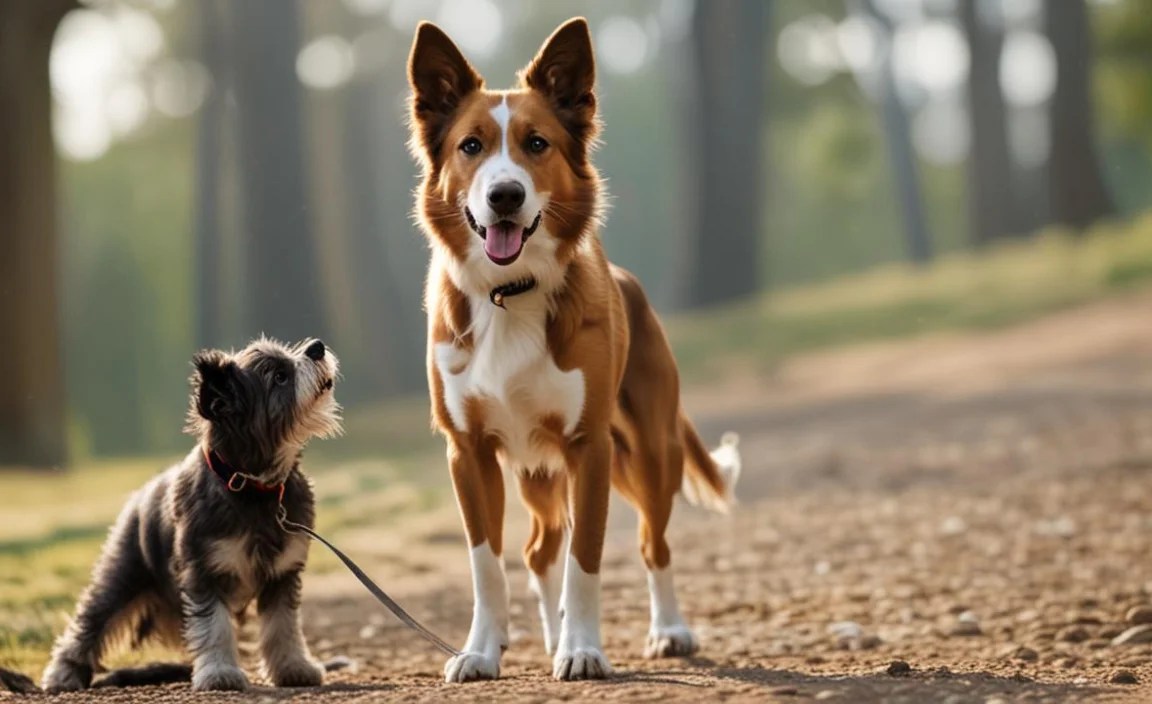
Instead of allowing your dog to react with jealousy, teach them a charming alternative.
“Go to Mat” or “Place”: Train your dog to go to a designated mat or bed and stay there. This is incredibly useful when you have visitors or want to focus on another pet or person. Reward them for staying calmly on their mat.
Obedience Training: A solid foundation in basic obedience commands (sit, stay, come, down) provides structure and strengthens your communication, making redirection easier.
5. Addressing Resource Guarding Directly
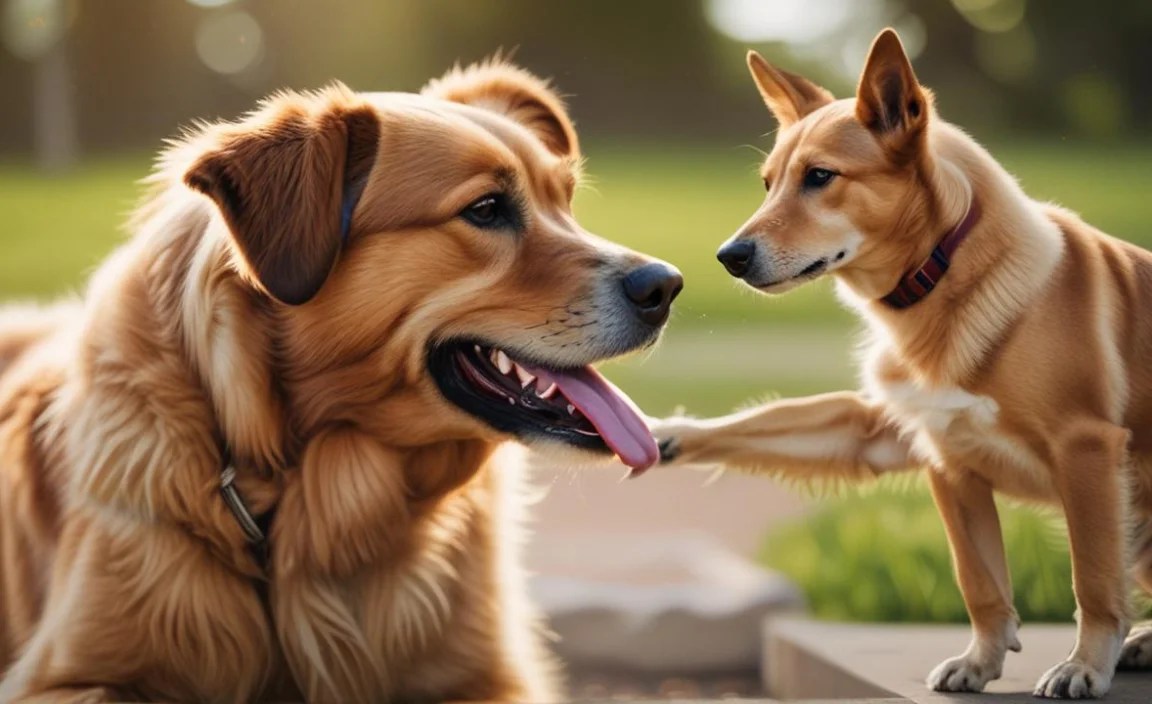
If jealousy is specifically tied to guarding toys, food, or spaces, target these behaviors:
Trading Up: If your dog has a prized item, offer them something even more enticing (a super tasty treat, a favorite toy) in exchange. This teaches them that giving up an item can lead to something better.
* “Leave It” Command: This command is vital for teaching your dog to disengage from an object.
When to Seek Professional Help
While many dog jealousy issues training challenges can be resolved with patience and the techniques above, it’s important to recognize when professional intervention is necessary. If your dog exhibits severe aggression, their jealousy is significantly impacting your family’s well-being, or you’re struggling to make progress, consult a certified professional dog trainer or a veterinary behaviorist. They can provide personalized guidance and develop a tailored training plan.
Ultimately, effortless solutions for dog jealousy are built on a foundation of understanding, patience, and positive reinforcement. By addressing the underlying causes and consistently rewarding desired behaviors, you can guide your dog towards a more confident and secure outlook, transforming their jealousy into a quiet, contented presence in your harmonious home.

Meet Elyse Colburn, the devoted canine companion and storyteller behind the enchanting world of “Tales, Tails, and Adventures Unleashed.” A passionate dog enthusiast with a heart full of paw prints, Elyse Colburn shares heartwarming tales and insightful adventures, celebrating the joy, loyalty, and endless antics that make every dog a true hero. Join Elyse Colburn on this tail-wagging journey, where every post is a love letter to our four-legged friends.