
Stop older dog jumping on people might seem like a peculiar problem. After all, as our canine companions age, they often mellow out, trading youthful exuberance for a more dignified demeanor. However, for some seasoned pups, the habit of jumping on visitors or housemates can persist, or even emerge, as a behavioral challenge. This isn’t just about manners; it can be a safety concern for both your dog and the people they greet. Fortunately, addressing this issue in older dogs is often achievable with patience, understanding, and the right techniques.
The reasons behind an older dog jumping on people can be varied and sometimes intertwined. Unlike puppies who jump out of sheer excitement and a learning process, older dogs might exhibit this behavior due to lingering ingrained habits, a decline in impulse control as they age, or even underlying medical conditions. It’s crucial to first investigate the root cause.
Understanding Why Older Dogs Jump
Before we dive into solutions, let’s explore the common culprits behind dog jumping on people in older dogs:
Habit and Learned Behavior: If your dog has always jumped, even if it was tolerated or encouraged in their younger days, breaking that habit as they age can be difficult. They’ve simply learned that jumping is an effective way to greet and get attention.
Excitement and Overstimulation: While less intense than in younger dogs, some older dogs can still become overexcited by visitors, especially if they haven’t seen them in a while or if there’s a lot of activity.
Seeking Attention: Jumping is a direct way to get your immediate attention. If your older dog feels a bit ignored or is experiencing a change in routine, they might resort to jumping to get noticed.
Cognitive Decline: In some cases, age-related cognitive dysfunction (similar to dementia in humans) can lead to confusion, anxiety, and a loss of learned behaviors, including impulse control. This can manifest as sudden or increased jumping.
Physical Discomfort or Pain: Believe it or not, sometimes a dog might jump because they are trying to get to a certain spot, perhaps to be closer to their owner or a comfortable resting place, and are experiencing pain that makes other movements difficult. If the jumping is a new behavior or accompanied by other signs of discomfort, a veterinary check-up is paramount.
Sensory Changes: As dogs age, their eyesight and hearing can diminish. They might jump to get a better visual or auditory sense of someone who has just entered the room.
Implementing Effective Strategies to Stop Older Dog Jumping

Once you have a clearer understanding of why your older dog is jumping, you can begin implementing targeted strategies. Consistency is key with any dog training, but it’s even more important with senior dogs who may have established patterns.
1. Management and Prevention: The First Line of Defense

The easiest way to stop a behavior is to prevent it from happening in the first place. For older dogs, this often means setting them up for success.
Leash Control: When guests arrive, have your dog on a leash. This allows you to physically prevent them from jumping by holding the leash taut. This isn’t about punishment, but about controlling the situation so they don’t rehearse the unwanted behavior.
Crate or Designated Safe Space: If your dog gets overly excited, utilize their crate or a comfortable bed in a separate room to give them a calm space until they can greet visitors appropriately. Provide a chew toy or puzzle feeder to keep them occupied and relaxed.
Manage the Greeting: Ask visitors to ignore your dog entirely until they are calm and standing on all four paws. No petting, no talking, no eye contact if the dog is jumping. The moment the dog’s feet are on the floor, they can receive calm attention.
2. Teaching an Alternative Behavior: The Power of Replacement

Instead of solely focusing on stopping the jumping, teach your dog a different, acceptable behavior that they can offer instead.
“Sit” for Greetings: This is a classic for a reason. Train your dog to sit calmly when asked. Practice this extensively in low-distraction environments first, then gradually introduce it when someone arrives. Reward them generously with praise and a small treat once they achieve a nice, calm sit, even if it’s for just a few seconds.
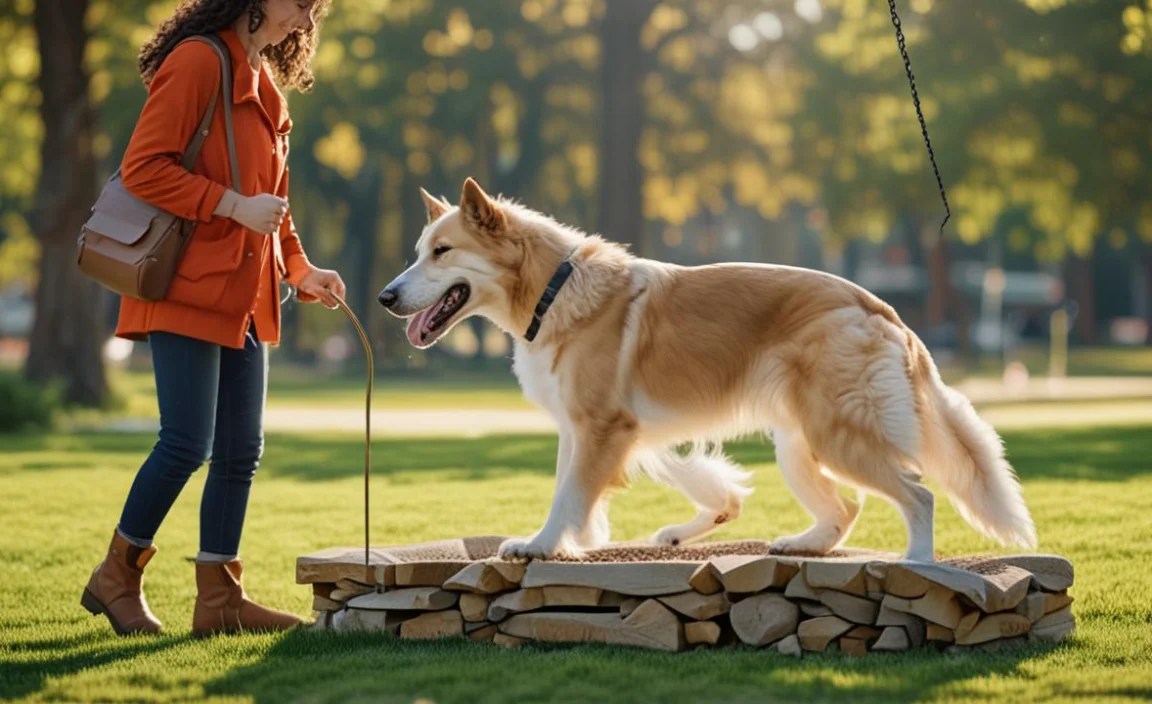
“Go to Mat” or “Place”: Train your dog to go to a specific mat or bed and stay there. This is an excellent way to manage greetings as it gives them a defined spot to be. Reward them for staying on their mat as people enter and settle.
Targeting: Teach your dog to touch your hand or a target stick with their nose. This can be a fun and engaging alternative to jumping, redirecting their focus and energy in a positive way.
3. Reinforcing Calmness
Actively look for opportunities to reward your older dog for calm behavior throughout the day, not just during greetings.
Reward Quiet Moments: If your dog is lying down calmly, or just looking at you without jumping, offer quiet praise or a gentle pat. This reinforces that calm is a desirable state.
“Four on the Floor” Rule: Make it a habit to reward your dog whenever all four paws are on the ground when interacting with people. This subtle reinforcement can go a long way.
4. Addressing Underlying Issues
Veterinary Check-up: As mentioned, rule out any medical causes for the jumping. Pain, arthritis, or neurological issues can significantly impact behavior.
Cognitive Health: If you suspect cognitive decline, talk to your veterinarian about supplements, dietary changes, or medication that can help manage symptoms and improve your dog’s quality of life. Enrichment activities can also be beneficial.
Patience and Positive Reinforcement
Working with older dogs requires extra patience and understanding. Their bodies and minds may not be as resilient as they once were. Avoid punishment, as it can create fear and anxiety, exacerbating the problem. Instead, focus on positive reinforcement, rewarding the behaviors you want to see. Celebrate small victories and be consistent with your approach. You’ll be well on your way to enjoying calmer greetings from your beloved senior companion.

Meet Elyse Colburn, the devoted canine companion and storyteller behind the enchanting world of “Tales, Tails, and Adventures Unleashed.” A passionate dog enthusiast with a heart full of paw prints, Elyse Colburn shares heartwarming tales and insightful adventures, celebrating the joy, loyalty, and endless antics that make every dog a true hero. Join Elyse Colburn on this tail-wagging journey, where every post is a love letter to our four-legged friends.