
Dog leash pulling is a frustrating yet common challenge faced by many dog owners. Whether you’re embarking on a leisurely stroll through the park or a brisk walk around the block, being yanked in every direction by an overzealous canine companion can turn an enjoyable activity into an exhausting ordeal.
Thankfully, with the right understanding and consistent training, you can transform your pulling pup into a well-mannered walking buddy, achieving effortless control and a more harmonious partnership. This comprehensive dog leash pulling guide will equip you with the knowledge and techniques to tackle this issue head-on.
Understanding the “Why” Behind the Pull

Before you can effectively address dog leash pulling, it’s crucial to understand why your dog might be doing it in the first place. Dogs don’t pull simply to annoy us; their motivations are often rooted in their natural instincts and their immediate environment.
Excitement and Exploration: The world is a fascinating place for dogs, filled with intriguing smells, sights, and sounds. Their natural curiosity can lead them to excitedly rush towards a scent, another dog, or an interesting object. The leash, to them, might simply be a means to get to the exciting thing faster.
Lack of Training or Reinforcement: Many dogs simply haven’t been taught how to walk politely on a leash. If they’ve learned that pulling gets them where they want to go, they’re likely to continue the behavior.
Breed Predisposition: Certain breeds, particularly those historically bred for tasks like pulling carts or herding, may have a stronger innate tendency to lunge forward.
Anxiety or Fear: In some cases, pulling can be a sign of anxiety or fear. A dog might try to pull away from something they perceive as a threat.
Pent-up Energy: A dog that hasn’t had enough physical or mental stimulation is more likely to express their excess energy through pulling on the leash.
Essential Tools for Your Dog Leash Pulling Guide

While training is paramount, the right equipment can significantly aid your efforts. Investing in appropriate tools can make the training process smoother and more effective.
The Right Leash: Opt for a sturdy, comfortable leash that is at least 4-6 feet long. Avoid retractable leashes, as they offer less control and can be dangerous. A fixed-length leash allows for better communication and consistency.
Gentle Leader Head Halter: This is often a game-changer for strong pullers. Similar to a horse’s halter, it fits around the dog’s muzzle and behind the ears. When the dog pulls, the halter gently guides their head back towards you, discouraging forward motion without causing pain or discomfort.
Front-Clip Harness: This type of harness has a leash attachment point on the dog’s chest. When the dog pulls, the harness redirects them back towards you, much like a head halter, but it’s a less intrusive option for some dogs.
Martingale Collar (Limited Slip Collar): This collar is designed to tighten slightly when the dog pulls but not to the point of choking. It’s a good option for dogs with slender heads who can slip out of regular collars. However, it should be used with caution and proper understanding, as incorrect use can still be harmful.
Implementing Your Dog Leash Pulling Guide: Training Techniques
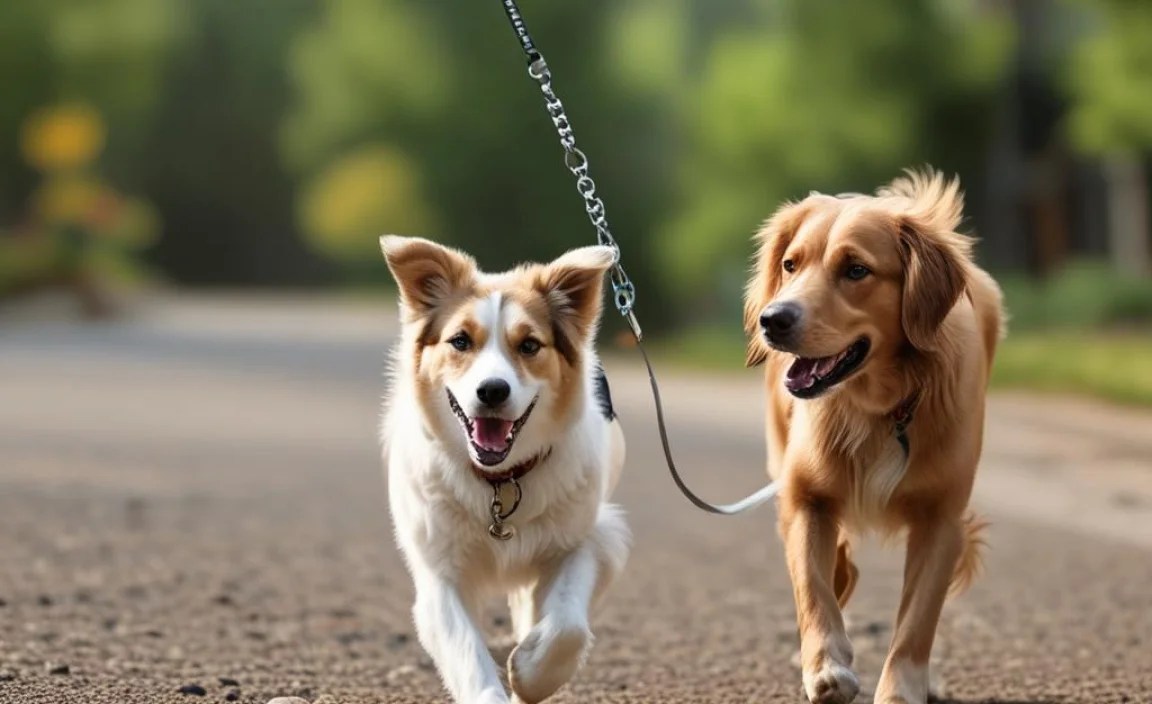
Now that you understand the ‘why’ and have the right tools, let’s delve into the training techniques that form the core of this dog leash pulling guide. Consistency and patience are your greatest allies here.
1. The “Be a Tree” Method
This is one of the simplest yet most effective techniques. The moment your dog starts to pull, stop walking. Stand completely still, becoming a “tree.” Don’t move forward until the leash slackens. As soon as there’s even a slight bit of slack, resume walking. If they pull again, stop again. This teaches your dog that pulling leads to a cessation of forward movement, while a loose leash allows them to move forward.
2. Rewarding Loose-Leash Walking
Positive reinforcement is key. Whenever your dog walks beside you with a loose leash, offer verbal praise (“Good walk!”) and a small, high-value treat. Reward them frequently, especially in the beginning. The goal is to create a positive association with walking by your side. You can also reward them for simply looking at you while walking.
3. The “Turn Around” Technique
Similar to the “Be a Tree” method, this technique involves changing direction. The instant the leash becomes taut, turn and walk in the opposite direction. This often surprises your dog and encourages them to pay closer attention to where you are going. When they catch up and the leash is loose, praise them.
Addressing Specific Scenarios and Challenges

Every dog and every walk is unique. Here are some tips for common challenges you might encounter while following your dog leash pulling guide:
Distractions: High-traffic areas or encountering other dogs can be particularly challenging. Start training in quiet environments and gradually introduce more distractions as your dog progresses. When distractions appear, increase your rewarding for focused walking.
Sudden Lunges: If your dog suddenly lunges, the “Be a Tree” or “Turn Around” methods are your best immediate recourse. For more persistent lungers, consider the head halter or front-clip harness in conjunction with training.
Puppies: Puppies are bundles of energy and enthusiasm. Start leash training early, keeping sessions short and positive. Focus on building good habits from the outset.
Maintaining Progress and Building a Stronger Bond

Tackling dog leash pulling isn’t a one-time fix; it’s an ongoing process of communication and reinforcement.
Consistency is Key: Ensure everyone in the household is using the same methods and cues. Inconsistency will confuse your dog and hinder progress.
Manage Expectations: Some breeds and individual dogs will take longer than others to master loose-leash walking. Celebrate small victories and don’t get discouraged by setbacks.
Provide Enough Exercise and Mental Stimulation: A tired dog is a well-behaved dog. Ensure your dog is getting adequate physical activity and mental enrichment throughout the day. This can significantly reduce their urge to pull out of pent-up energy.
Patience and Positive Reinforcement: Remember, your dog is learning. Approach training with patience, understanding, and a positive attitude. This will not only help them learn to walk without pulling but also strengthen the bond between you.
By implementing the strategies outlined in this dog leash pulling guide, you can transform your walks from a tug-of-war into a pleasant, controlled, and bonding experience. Enjoy the journey towards effortless control and a happier, more harmonious partnership with your canine companion.
Related Posts


Meet Elyse Colburn, the devoted canine companion and storyteller behind the enchanting world of “Tales, Tails, and Adventures Unleashed.” A passionate dog enthusiast with a heart full of paw prints, Elyse Colburn shares heartwarming tales and insightful adventures, celebrating the joy, loyalty, and endless antics that make every dog a true hero. Join Elyse Colburn on this tail-wagging journey, where every post is a love letter to our four-legged friends.