
Dog leash pulling step by step can feel like an insurmountable challenge for many dog owners. The exhilarating joy of a walk often gets overshadowed by the persistent tugging, the strained arms, and the potential for embarrassing public displays of canine enthusiasm. But fear not, dear reader! With patience, consistency, and the right approach, transforming your eager puller into a calm, polite walking companion is not only achievable but can become an enjoyable training experience for both of you. This guide will break down the process into manageable steps, equipping you with the knowledge and techniques to banish leash pulling for good.
The fundamental principle behind addressing dog leash pulling step by step is to teach your dog that a loose leash is more rewarding than a tight one. This means we need to subtly reinforce the desired behavior (walking by your side with a slack leash) and, equally importantly, remove the reward for pulling. It sounds simple, but the execution requires a keen understanding of your dog’s motivation and a commitment to consistent practice.
Understanding the Why Behind the Tug
Before we dive into the “how,” let’s briefly consider why dogs pull. It’s rarely malicious. Often, it’s driven by excitement – the world is full of fascinating smells, interesting sights, and other dogs to greet! Sometimes, it stems from a lack of clear communication; your dog simply hasn’t learned that keeping pace with you is the desired behavior. They might also be responding to their own natural forward momentum or even a sense of anxiety, wanting to get to a perceived safe space faster. Recognizing these underlying causes can help you approach the training with more empathy and understanding.
Step-by-Step Training for a Loose Leash
Now, let’s get to the core of conquering dog leash pulling step by step. This approach focuses on positive reinforcement and gradual progress.
Step 1: The Foundation – Loose Leash Fundamentals

Start in a low-distraction environment, like your backyard or a quiet room. With your dog on a regular leash and collar (or harness, if preferred), initiate a few steps forward. The instant the leash becomes taut, stop moving. Don’t yank, don’t scold. Just freeze. Wait. The moment the leash slackens, even slightly, due to your dog pausing, looking back, or shifting their weight, immediately resume walking. Keep training sessions short, about 5-10 minutes, multiple times a day. The goal here is to teach your dog the simple equation: leash tight = I stop; leash loose = we move.
Step 2: Introducing the Reward
Once your dog begins to understand the “stop when tight” rule, it’s time to add positive reinforcement for the desired slack leash. When your dog is walking next to you with a loose leash for a few steps, offer enthusiastic verbal praise (“Good boy/girl!”) and a small, high-value treat. The treats should be something your dog absolutely loves – tiny pieces of chicken, cheese, or special training kibble. The praise and treats are the reward for walking calmly. Gradually increase the duration your dog needs to hold a loose leash before receiving a reward.
Step 3: Increasing Distractions Gradually
As your dog masters walking on a loose leash in a quiet setting, it’s time to introduce mild distractions. Move to your driveway, then your quiet street, then a slightly busier sidewalk. Each new environment will feel like a brand-new challenge. You might need to revert to Step 1 or 2 in these new settings temporarily. Be patient. The key is to increase distractions slowly, allowing your dog to succeed before moving to a more challenging scenario. If your dog starts pulling excessively, it means the distraction is too intense for their current training level. Take a step back to an easier environment.
Step 4: The “Red Light, Green Light” Method
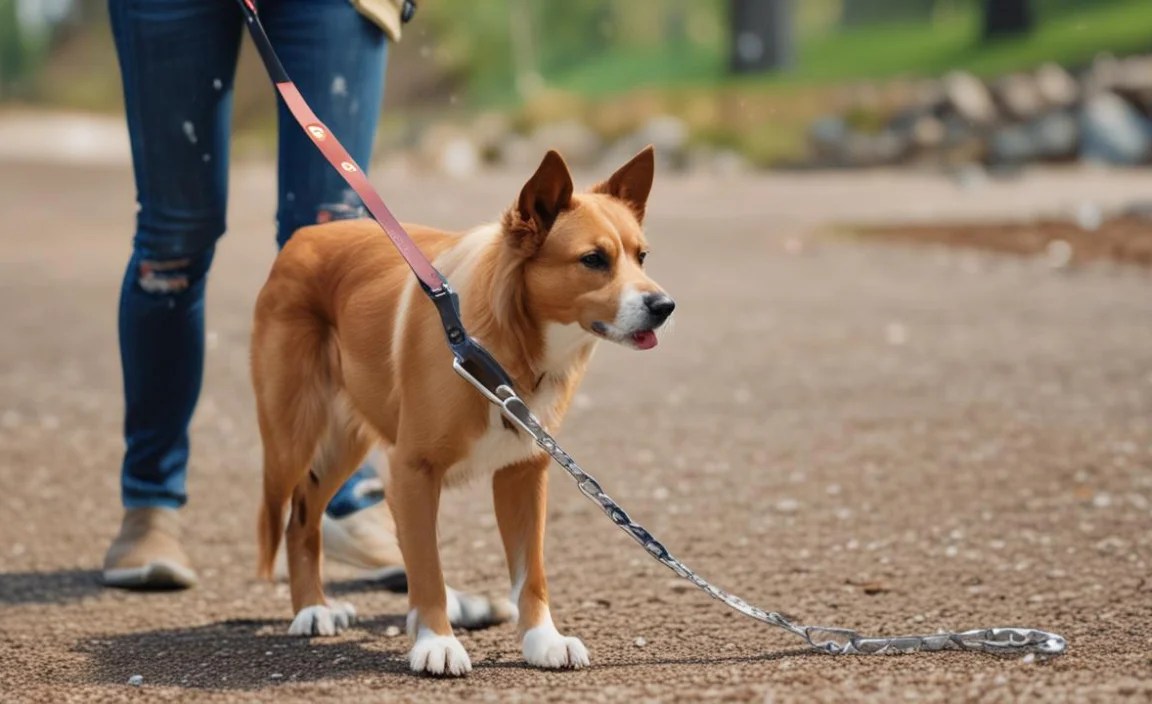
This is a powerful technique for dog leash pulling step by step. When your dog pulls, simply stop. Stand still like a tree. Don’t move forward until the leash is loose. As soon as it slackens, praise and resume walking. This teaches your dog that pulling prevents them from getting where they want to go, while a loose leash enables forward movement. Be prepared to stop frequently, especially in the beginning. Consistency is paramount.
Step 5: Teaching a “Heel” or “Close” Cue
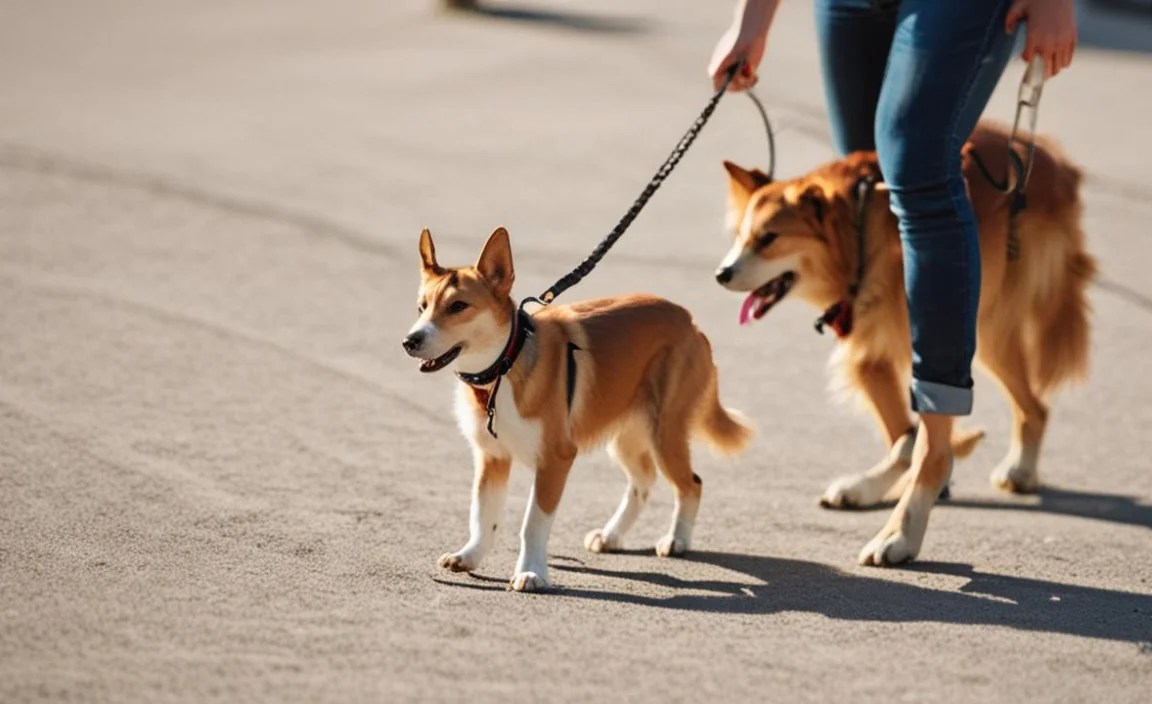
Once your dog is reliably walking on a loose leash, you can start adding a verbal cue like “Heel” or “Close” when they are in the ideal position beside you with a slack leash. Pair the cue with a treat and praise. Over time, your dog will associate the cue with walking politely by your side.
Step 6: Managing Excitement and Frustration

It’s inevitable that your dog will have moments of intense excitement. If you see them starting to surge forward, anticipate it. Say your chosen cue (“Close,” “Let’s go”) and if necessary, use a quick, gentle nudge on the leash or a change of direction to help them regain focus. If your dog gets frustrated or overly excited, it’s okay to take a brief break or end the walk early. The goal is to build positive associations with walks.
Important Considerations for Success
Consistency is King: Every single walk is a training opportunity. Every time you let your dog pull you forward, you are inadvertently rewarding that behavior.
High-Value Rewards: Use treats that your dog truly finds motivating.
Proper Equipment: A well-fitting harness (like a front-clip harness) or a head halter can be excellent tools to help manage pulling, especially during the initial learning stages. However, these are aids, not replacements for training.
Patience and Positivity: Training takes time. There will be good days and bad days. Celebrate small victories and maintain a positive attitude. If you become frustrated, take a break.
* Professional Help: If you are struggling or dealing with severe pulling issues, don’t hesitate to consult a certified professional dog trainer. They can offer personalized guidance and support.
By following these dog leash pulling step by step strategies, you’ll not only achieve the dream of stress-free walks but also strengthen the bond and communication with your canine companion. Enjoy the journey, and happy walking!

Meet Elyse Colburn, the devoted canine companion and storyteller behind the enchanting world of “Tales, Tails, and Adventures Unleashed.” A passionate dog enthusiast with a heart full of paw prints, Elyse Colburn shares heartwarming tales and insightful adventures, celebrating the joy, loyalty, and endless antics that make every dog a true hero. Join Elyse Colburn on this tail-wagging journey, where every post is a love letter to our four-legged friends.