
Dog leash pulling tips are invaluable for any dog owner seeking a more harmonious and enjoyable walking experience for both themselves and their canine companion. That frustrating tug-of-war on an otherwise pleasant stroll can quickly turn into a chore, impacting your bond and potentially leading to injuries for both of you. But fear not, with the right knowledge and consistent practice, transforming a strong puller into a polite walker is entirely achievable. This guide will equip you with a comprehensive set of strategies and insights to regain effortless control on your walks.
Understanding Why Dogs Pull
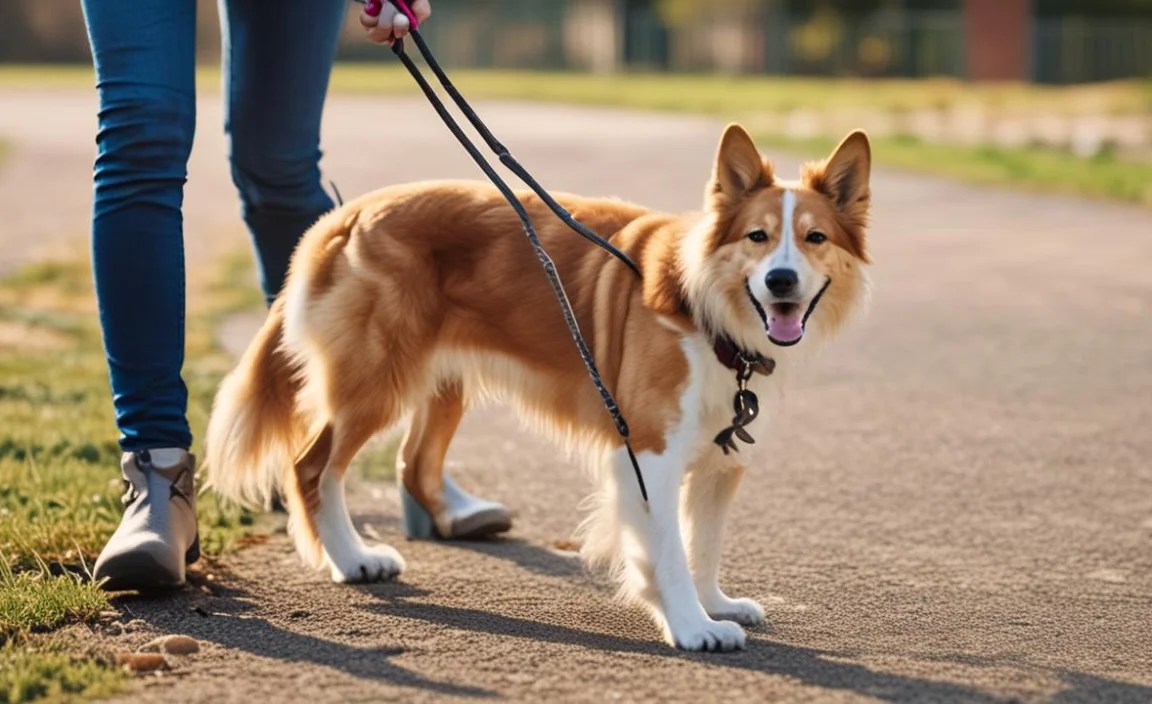
Before diving into the solutions, it’s crucial to understand the motivations behind your dog’s pulling behavior. Often, it’s not a sign of defiance but rather a natural canine instinct amplified by excitement or lack of training.
Excitement and Exploration: Dogs are naturally curious creatures. The world outside is a symphony of smells, sounds, and sights that they are eager to investigate. When they perceive something interesting up ahead, their instinct is to move towards it as quickly as possible.
Speed Mismatch: You might be ambling along, enjoying the scenery, while your dog feels the urge to trot at a faster pace. This natural difference in gait can lead to pulling as they try to achieve their preferred speed.
Lack of Training: Many dogs simply haven’t been taught how to walk politely on a leash. They may have learned that pulling gets them where they want to go, a behavior that is inadvertently reinforced.
Breed Predisposition: Some breeds were historically bred for tasks that involved pulling, like sledding or hunting. While domestication has softened these instincts, some genetic tendencies can make them more prone to pulling if not managed.
Frustration and Anxiety: In some cases, pulling can stem from frustration if a dog anticipates something exciting (like the dog park) or even anxiety if they feel insecure or overwhelmed by their surroundings.
Essential Dog Leash Pulling Tips for Better Walks
Implementing these dog leash pulling tips requires patience and consistency. Don’t expect overnight miracles, but celebrate small victories along the way.
1. The Right Equipment Matters
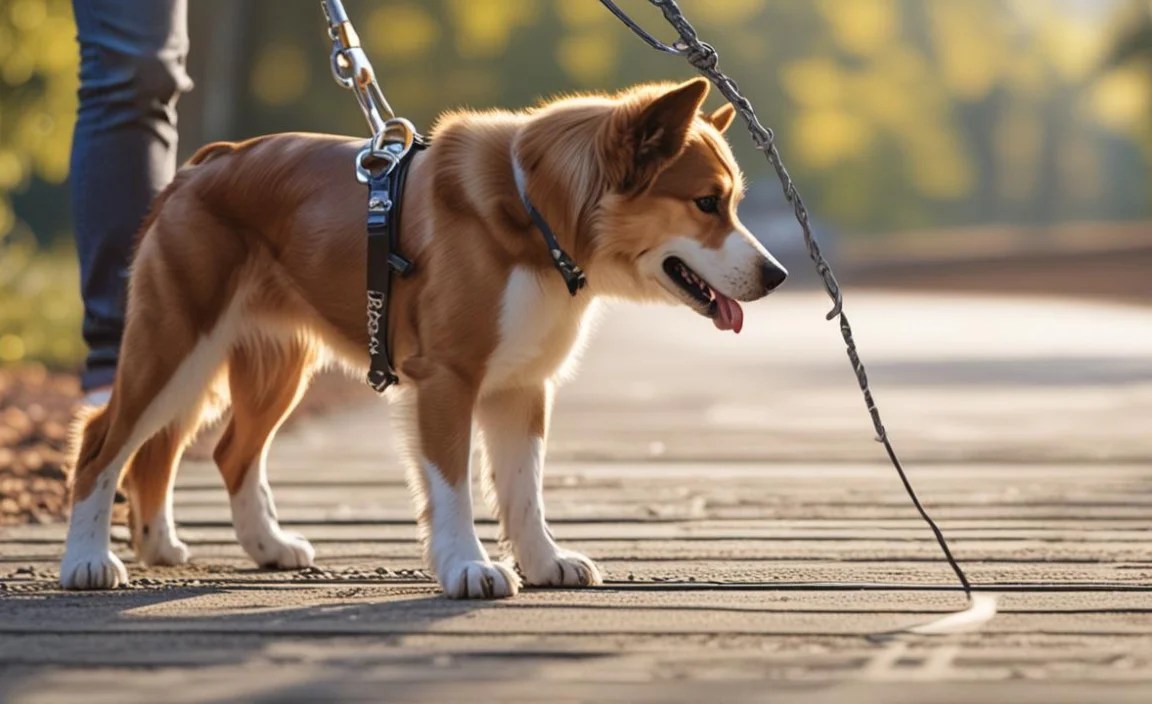
Choosing the correct gear can make a significant difference in managing pulling.
Front-Clip Harnesses: These harnesses have a leash attachment point on the dog’s chest. When the dog pulls, the harness gently redirects them back towards you, discouraging forward momentum. This is often a more humane and effective alternative to choke or prong collars.
Head Halters (Gentle Leaders): These fit over the dog’s muzzle and behind their ears. They work on the principle that where the head goes, the body follows. With proper introduction and positive reinforcement, head halters can offer excellent control without causing pain.
Standard Flat Collars and Back-Clip Harnesses: While these are perfectly suitable for well-trained dogs or for dogs who don’t pull, they offer less inherent control over strong pullers. If you use these, the training will be even more critical.
2. Master the “Stop and Go” Technique
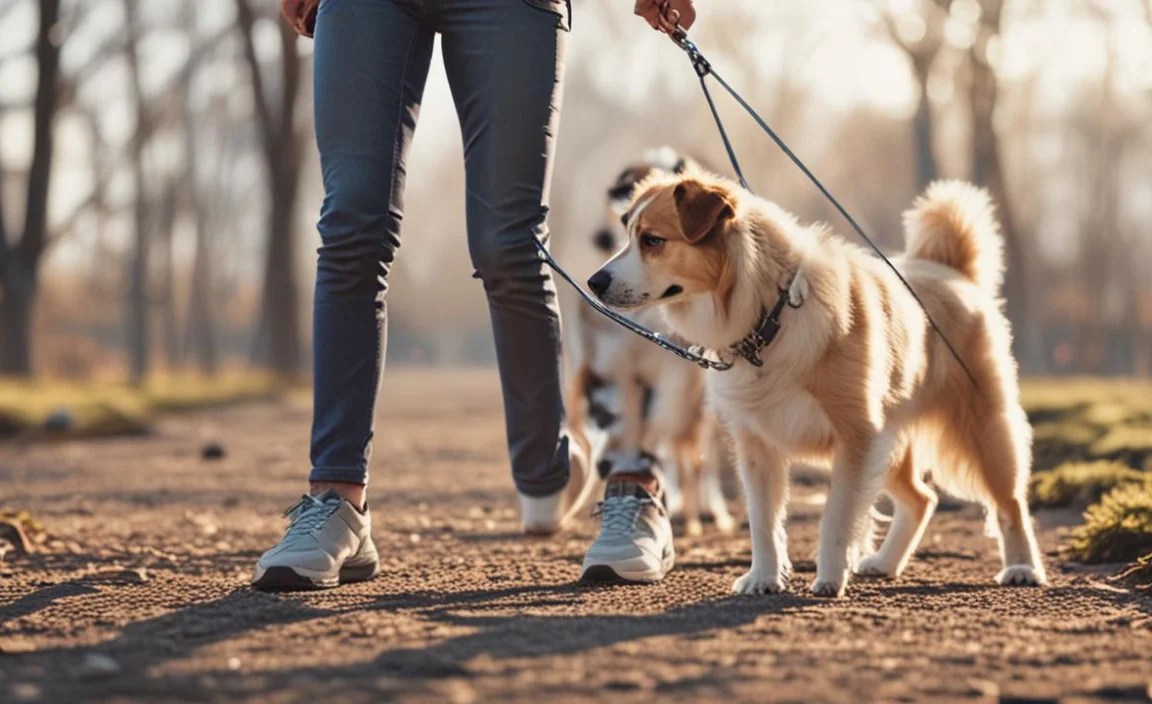
This is a foundational dog leash pulling tips that works on the principle of ceasing forward movement when the leash tightens.
How it works: The moment your dog pulls and the leash becomes taut, freeze in place. Do not move forward.
Waiting for slack: Wait patiently until your dog releases tension on the leash. This might involve them looking back at you, taking a step back, or simply easing the pressure.
Resuming the walk: As soon as there’s slack in the leash, immediately resume walking.
Consistency is key: Every single time the leash tightens, you must stop. This teaches your dog that pulling equals the end of forward progress, while a loose leash means the walk continues.
3. “Turn Around” For a Quick Redirect
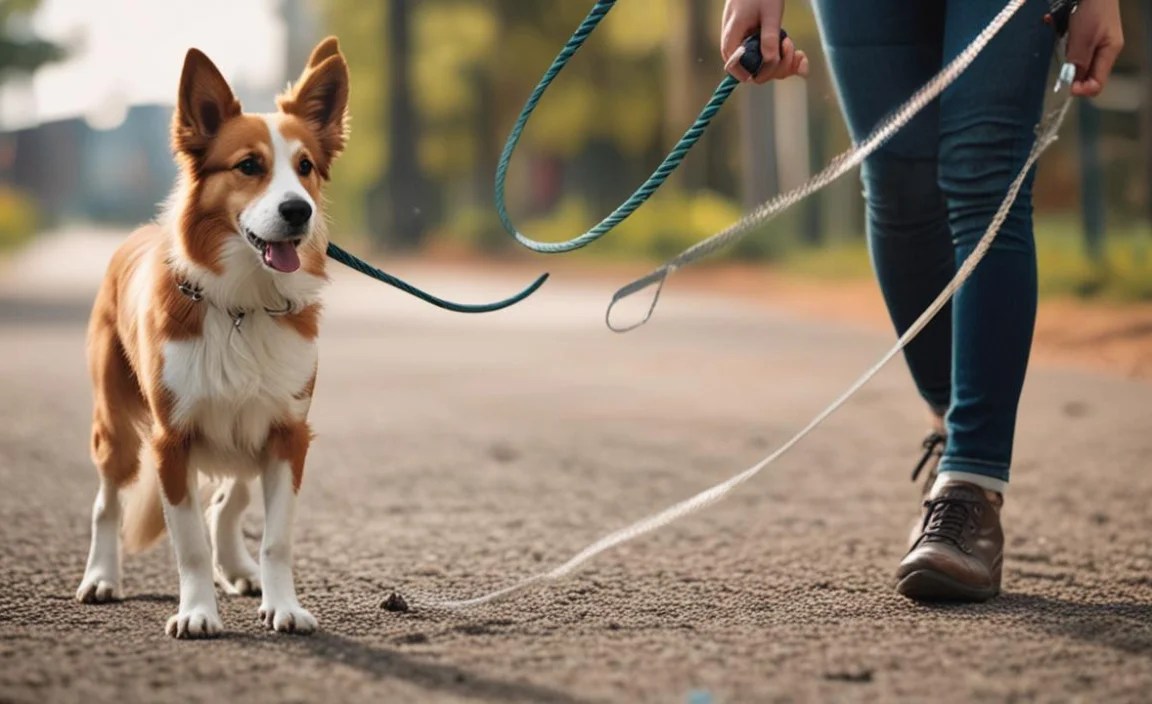
Similar to the stop-and-go, this technique uses a change of direction to discourage pulling.
The action: If your dog pulls ahead, don’t just stop; turn 180 degrees and walk in the opposite direction.
Reinforce good behavior: As soon as your dog is walking beside you with a loose leash, you can turn back to your original direction.
Why it’s effective: This method is particularly useful for dogs who tend to forge ahead and ignore your attempts to stop. It makes them pay attention to where you are going.
4. Reward Loose-Leash Walking

Positive reinforcement is paramount in shaping desired behavior.
Identify the “sweet spot”: Determine where your dog should be in relation to you (usually by your side with a loose leash).
Frequent rewards: When your dog is consistently walking with a loose leash in the desired position, offer enthusiastic praise and high-value treats.
Timing is crucial: Reward them as soon as they are in the correct position, not after the fact. This helps them understand what behavior earned the reward.
Vary your rewards: Use both verbal praise (“Good boy/girl!”) and small, tasty treats. The more exciting the reward, the more motivated your dog will be.
5. Teach a “Heel” or “Close” Command
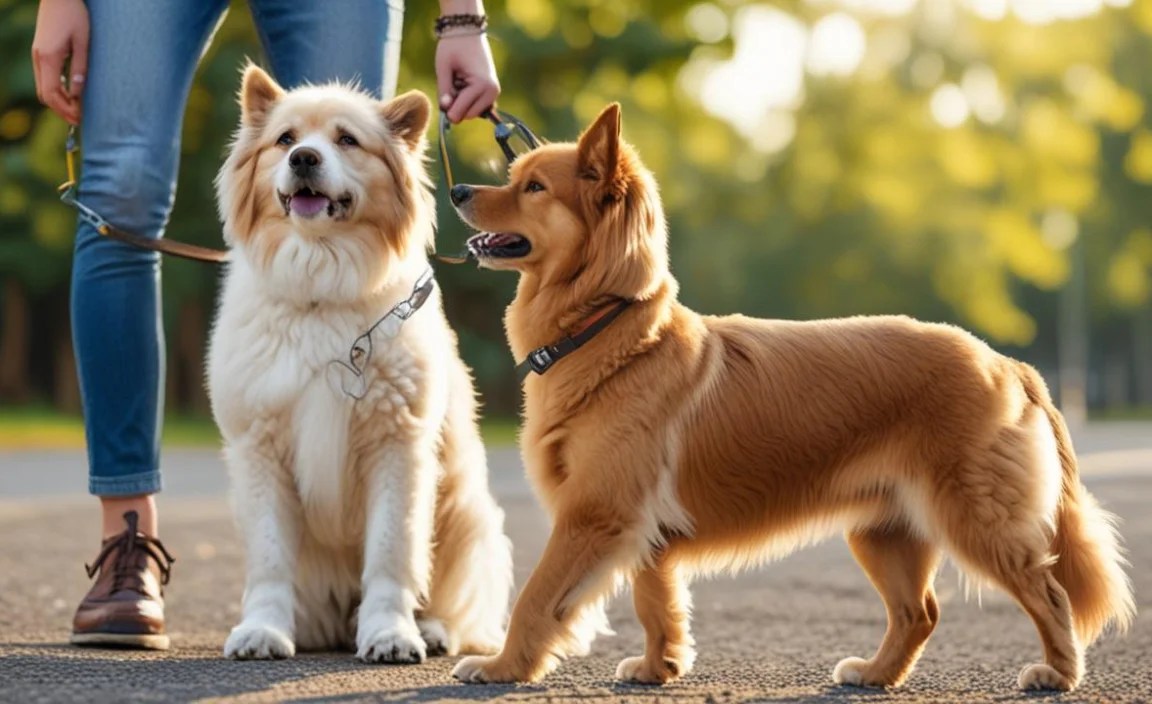
Formally teaching your dog to walk by your side provides a clear cue for them to stay in the correct position.
Luring: Hold a treat near your dog’s nose and lure them into the heel position beside you.
Adding the cue: As they move into position, say your chosen command (“Heel” or “Close”).
Rewarding in position: Once they are in position with a loose leash, reward them heavily with praise and treats.
Gradual increase: Slowly increase the duration they stay in position before rewarding, and gradually introduce distractions.
6. Manage Excitement Levels
Outdoor stimuli can be overwhelming and trigger pulling.
Start in low-distraction environments: Begin your training in your backyard or on a quiet street before venturing into busier areas.
Desensitize to distractions: Gradually expose your dog to more stimulating environments once they have a solid understanding of loose-leash walking in quieter settings.
Pre-walk energy release: For very energetic dogs, a short play session or puzzle toy before a walk can help expend some of their pent-up energy, making them calmer on the leash.
7. Be Patient and Persistent
Transforming a puller takes time and dedication. There will be good days and challenging days.
Don’t get discouraged: Setbacks are normal. If your dog starts pulling again after a period of good behavior, simply go back to basics and reinforce the training.
Short, frequent training sessions: Instead of one long, frustrating walk, opt for multiple short training sessions throughout the day.
* Celebrate progress: Acknowledge every step forward, no matter how small. This keeps your motivation high and reinforces the positive training experience for your dog.
By understanding the reasons behind pulling and consistently applying these dog leash pulling tips, you can transform your walks from a struggle into a joyous bonding experience. Remember, a well-trained dog is a happy dog, and a well-trained dog makes for a much more enjoyable walk for everyone involved.

Meet Elyse Colburn, the devoted canine companion and storyteller behind the enchanting world of “Tales, Tails, and Adventures Unleashed.” A passionate dog enthusiast with a heart full of paw prints, Elyse Colburn shares heartwarming tales and insightful adventures, celebrating the joy, loyalty, and endless antics that make every dog a true hero. Join Elyse Colburn on this tail-wagging journey, where every post is a love letter to our four-legged friends.