
Older dog obedience tips in older dogs might seem like a counterintuitive pursuit. After all, aren’t puppies and younger dogs the ones who need consistent training to instill good habits? While it’s true that early training lays a strong foundation, the idea that age renders a dog incapable of learning or improving is a myth. In fact, training an older dog can be incredibly rewarding, often leading to a more relaxed and focused learning experience than with a boisterous youngster. With patience, understanding, and the right approach, you can significantly enhance your senior canine companion’s obedience and strengthen your bond.
Many owners assume that once a dog reaches a certain age, their training days are over. This couldn’t be further from the truth. Older dogs still possess the capacity to learn new tricks, refine existing behaviors, and even overcome long-standing issues. The key lies in adapting your training methods to suit their unique needs and capabilities. Their bodies may not be as agile, and their attention spans might have shortened somewhat, but their intelligence and desire to please often remain strong.
Understanding the Senior Dog’s Perspective

Before diving into specific training techniques, it’s crucial to consider your older dog’s individual circumstances. Age can bring about physical limitations. Arthritis, decreased hearing or vision, and other health-related issues can impact their ability to participate in intensive training sessions or understand your cues. Always consult with your veterinarian to rule out any underlying medical conditions that might be affecting their behavior or hindering their learning. A simple check-up can reveal if pain is making them reluctant to sit, or if hearing loss is making commands difficult to follow.
Furthermore, older dogs often have established routines and patterns of behavior. While these can sometimes be challenging to alter, they also mean your dog has a wealth of experience and a more developed understanding of your household. They might be less prone to the impulsive, attention-seeking behaviors of younger dogs, allowing for more focused and productive training sessions.
Essential Dog Obedience Tips in Older Dogs

When implementing dog obedience tips in older dogs, variety and positivity are paramount. Keep sessions short, engaging, and fun. End each session on a positive note, reinforcing their success and leaving them eager for more.
Positive Reinforcement is Key: This is arguably the most important principle for training any dog, but it’s especially vital for seniors. Older dogs respond best to rewards. This can include high-value treats (small, soft, and easily digestible), enthusiastic praise, gentle petting, or a favorite toy. Avoid punishment-based methods, which can create fear and anxiety, potentially undoing months or years of relationship-building. The goal is to create positive associations with desired behaviors.
Break Down Commands: If you’re introducing a new command or refining an old one, break it down into smaller, manageable steps. For example, if teaching “down,” start with rewarding them for just lowering their head, then for shifting their weight, and so on. Celebrate each small success.
Adapt to Physical Limitations: If your dog struggles to lie down due to joint pain, don’t force it. Focus on commands they can perform comfortably. Perhaps “stay” or “come” are more achievable. If their vision is declining, use clear verbal cues accompanied by hand signals that are easy for them to see. If their hearing is fading, use increasingly obvious visual cues.
Leverage Existing Knowledge: Your older dog already knows a lot. Use their existing understanding of words and cues to your advantage. For example, if they already know “sit,” you can use that as a foundation for teaching a more complex “sit-and-stay” command.
Consistency Above All: Even with older dogs, consistency is king. Ensure everyone in the household uses the same commands and rewards. Inconsistency can lead to confusion and frustration for your dog. Regular, short practice sessions are far more effective than infrequent, marathon training events. Aim for 5-10 minute sessions a few times a day.
Addressing Specific Challenges
Sometimes, older dogs develop specific behavioral issues. These might be ingrained habits or a result of age-related changes.
Potty Training Regressions: If your senior dog starts having accidents indoors, first rule out medical issues with your vet. If it’s behavioral, revert to basics. Take them out frequently, especially after waking up, eating, and playing. Reward them enthusiastically when they go potty outdoors. Limit access to areas where accidents are frequent.
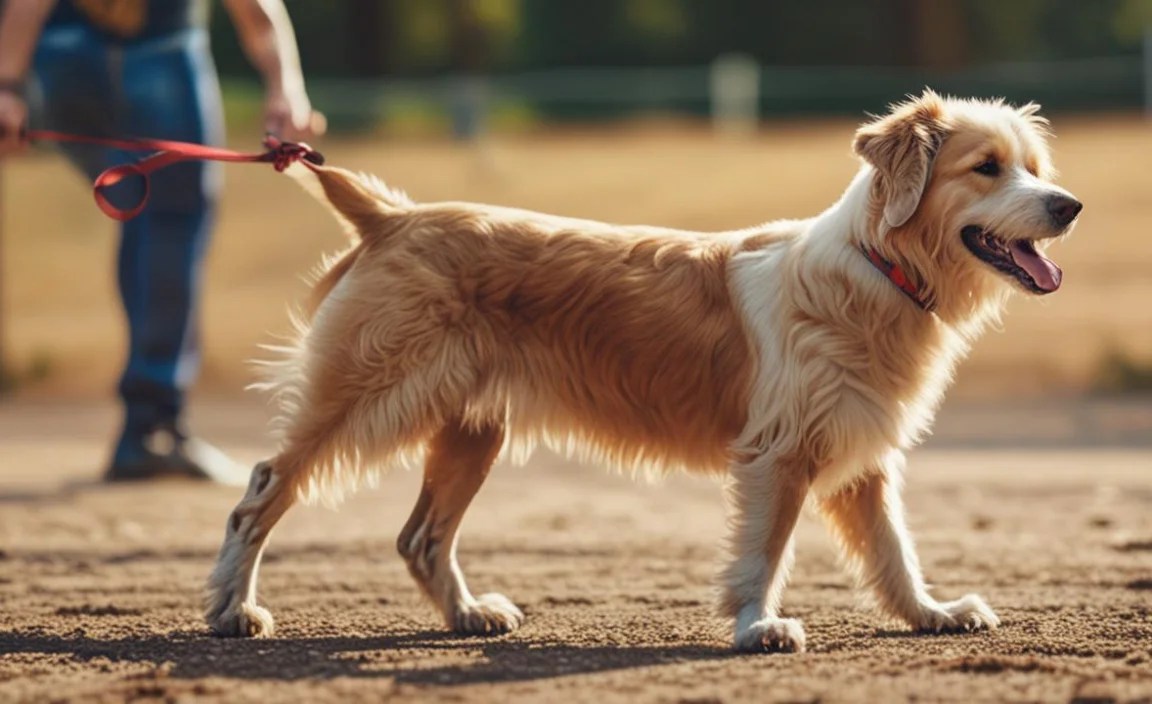
Leash Manners: Many older dogs can benefit from refresher lessons on leash walking. Focus on rewarding loose-leash walking with treats and praise. If they pull, practice the “stop-and-go” method: stop the moment they pull, and resume walking when the leash slackens.
Separation Anxiety: While often associated with younger dogs, older dogs can also develop separation anxiety, especially if there’s been a change in the household dynamic. Gradual desensitization to departures, providing engaging toys, and creating a safe, comfortable space can help. Again, consult a vet or a professional trainer if the issue is severe.
The Joy of a Well-Behaved Senior

Training an older dog is about mutual respect and understanding. It’s about adapting to their needs and celebrating their continued capacity for learning and connection. The efforts you invest in dog obedience tips in older dogs will be repaid tenfold in a more harmonious relationship, a more confident companion, and the immense satisfaction of knowing you’ve helped your beloved friend live their golden years to the fullest. Witnessing your senior dog master a new trick or respond reliably to a familiar cue is a testament to their enduring resilience and your dedication. Embrace the opportunity to continue growing together, making every day a little brighter for both of you.

Meet Elyse Colburn, the devoted canine companion and storyteller behind the enchanting world of “Tales, Tails, and Adventures Unleashed.” A passionate dog enthusiast with a heart full of paw prints, Elyse Colburn shares heartwarming tales and insightful adventures, celebrating the joy, loyalty, and endless antics that make every dog a true hero. Join Elyse Colburn on this tail-wagging journey, where every post is a love letter to our four-legged friends.