
Understanding your dog’s deeply ingrained dog pack mentality is the cornerstone of building a strong, harmonious relationship. For our canine companions, the world is often viewed through the lens of their ancestral pack structure, a social hierarchy that dictates roles, communication, and cooperation. Tapping into this innate understanding allows us to guide them effectively, address behavioral challenges, and unlock their full potential as well-behaved and confident pets. Far from being about dominance or punishment, this perspective emphasizes leadership, clear communication, and meeting your dog’s fundamental social needs.
The Roots of Canine Social Structure

Dogs, as descendants of wolves, inherit a sophisticated social system. In wild packs, a clear hierarchy ensures order, efficient hunting, and protection for the group. While our domestic dogs have evolved alongside humans, these primal instincts remain. Recognizing these inherent drives helps us interpret our dog’s behavior, from subtle body language signals to more overt actions. When we approach our dogs with an understanding of their pack-oriented nature, we can better predict their reactions, anticipate potential issues, and respond in ways that foster trust and cooperation. This isn’t about treating your dog like a wild wolf, but rather acknowledging the biological blueprint that still influences their decision-making and social interactions.
Understanding Your Role: The Pack Leader
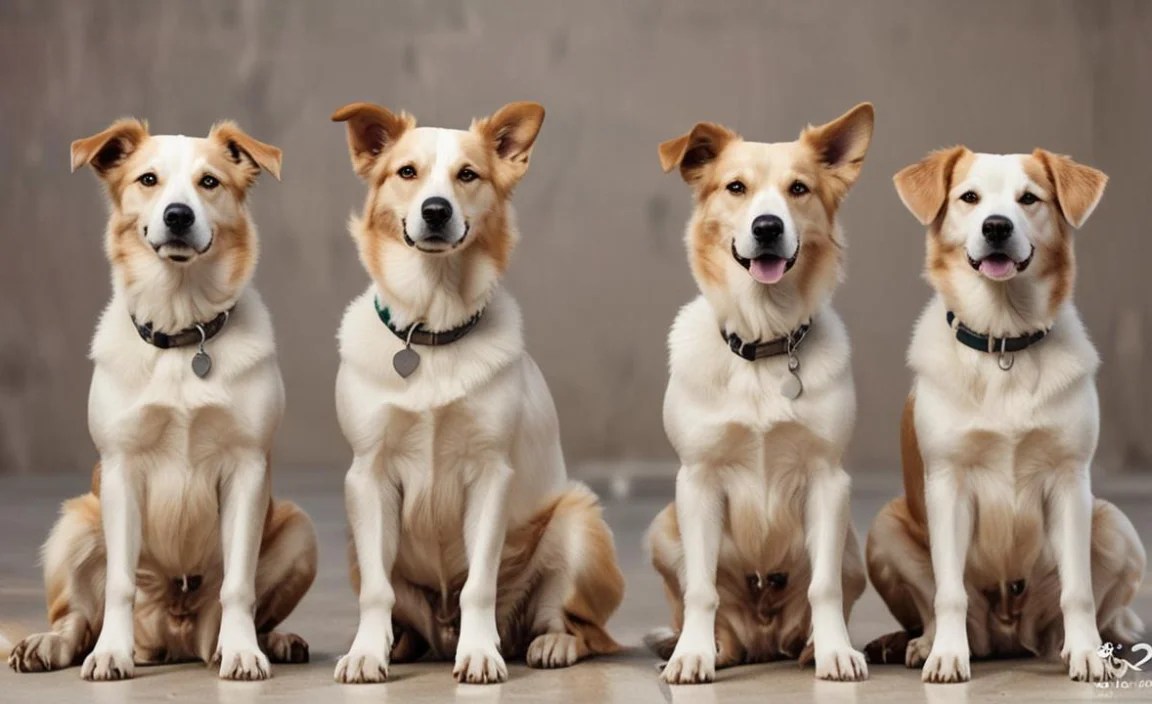
In any dog pack, the concept of a leader is paramount. This leader isn’t necessarily the strongest or most aggressive; rather, they are the most confident, consistent, and capable individual who provides direction, security, and resources. As humans, we naturally step into this leadership role, but it’s crucial to do so consciously and effectively. A confident leader provides structure and predictability, which is incredibly reassuring for dogs. This doesn’t mean being stern or harsh. Instead, it involves establishing clear boundaries, consistent routines, and fair expectations. When your dog perceives you as a reliable and discerning leader, they feel secure and are more likely to look to you for guidance, leading to a more relaxed and obedient companion.
This leadership manifests in several key areas:
Resource Control: In a pack, leaders often have priority access to valuable resources like food, resting spots, and even preferred mating partners. While we don’t need to exert literal control over every aspect of our dog’s life, understanding this principle helps us manage resources like food bowls, toys, and prime seating areas.
Decision-Making: Leaders are the ones who initiate actions, make decisions, and guide the pack’s activities. As leaders, we should be the ones initiating walks, training sessions, and playtime, rather than waiting for our dogs to demand them.
Calm Confidence: True pack leaders exude an aura of calm confidence. They don’t panic or overreact. This is a powerful signal to the pack that everything is under control, which in turn makes the other members feel safe.
Implementing Dog Pack Mentality Techniques
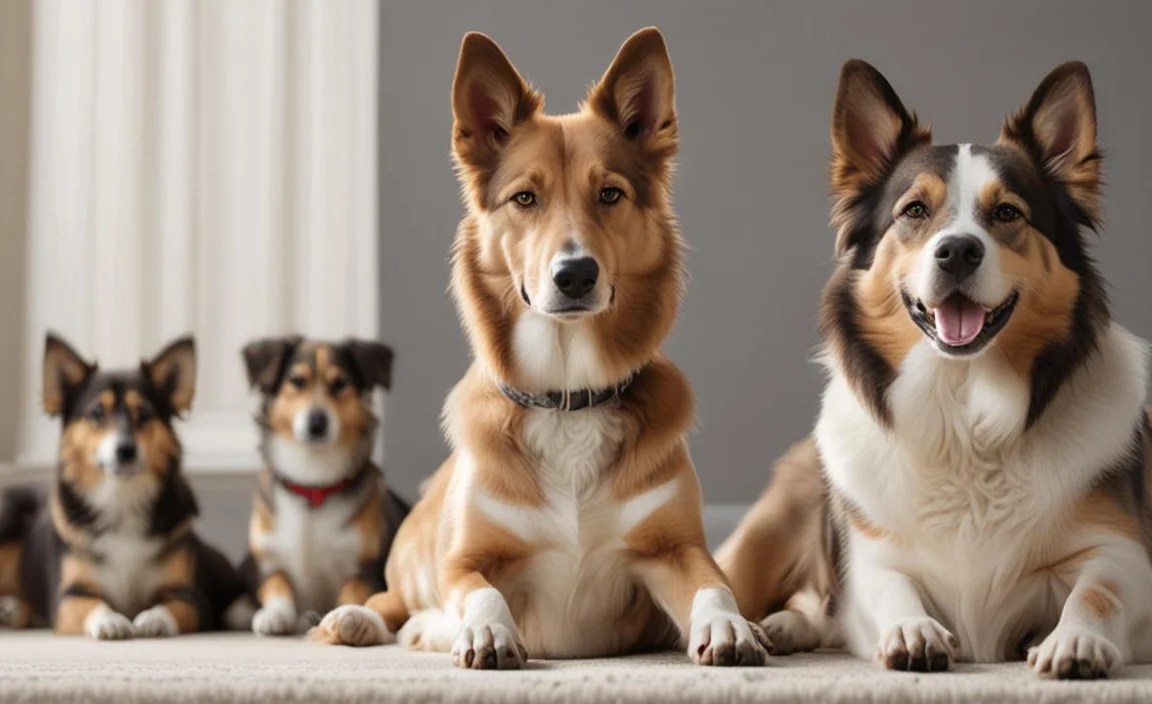
Applying dog pack mentality techniques isn’t about outdated dominance theories. It’s a modern approach focused on clear communication, positive reinforcement, and establishing a predictable environment. Here are key techniques to foster a healthier dynamic:
Establish Routines: Dogs thrive on predictability. Consistent feeding times, walk schedules, and bedtime routines create a sense of order and security. This predictability signals that you are in charge and have things under control.
“First Dibs” Principle: This refers to you, as the leader, having “first dibs” on resources. This can be as simple as waiting for your dog to sit before you place their food bowl down, or ensuring you step through doorways first. It’s a subtle yet effective way to reinforce your leadership position without intimidation.
Consistent Training and Boundaries: Clear, consistent commands and boundaries are essential. When you set a rule, such as not jumping on the furniture, enforce it every single time. Inconsistency confuses your dog and undermines your leadership. Positive reinforcement – rewarding desired behaviors – is the most effective way to build good habits and strengthen your bond.
Controlled Greetings: In a pack, greetings are often a structured affair. You can emulate this by controlling how your dog greets visitors and other dogs. Teach them to sit calmly for greetings and avoid an overly boisterous welcome. This teaches them impulse control and reinforces that you manage social interactions.
Leadership During Walks: Walks are a prime opportunity to practice leadership. Ensure you are leading the way, not being pulled erratically. Teach your dog to walk calmly beside you, responding to your pace and direction. This is a physical manifestation of your leadership and a crucial bonding experience.
“Calm and Connected” Communication: Dogs are masters of non-verbal communication. Pay attention to their body language, and ensure your own body language is confident and calm. Avoid yelling or using harsh physical discipline, which can create fear and anxiety rather than respect. Your calm demeanor is your most powerful leadership tool.
The Benefits of a Pack-Minded Approach

Adopting dog pack mentality techniques yields significant benefits for both you and your dog. A dog who understands and respects your leadership is generally more obedient and less prone to anxiety or problem behaviors. They feel secure in their environment because they know who is in charge and what to expect. This can lead to:
Reduced Anxiety and Fear: When a dog understands their place and trusts their leader, many anxiety-related behaviors, such as separation anxiety or reactive barking, can significantly diminish.
Improved Trainability: Dogs who look to their leader for guidance are more receptive to training. They understand that following commands leads to positive outcomes.
Stronger Bond: This approach fosters a deep, trusting relationship built on mutual respect and understanding. You become a reliable guardian and a trusted partner, not just a food dispenser.
* Enhanced Behavior: Obedience becomes more natural, house manners improve, and social interactions with humans and other animals become more harmonious.
In conclusion, understanding and applying the principles of dog pack mentality techniques is not about asserting dominance but about establishing a clear, consistent, and loving leadership structure. By embracing this perspective, you provide your dog with the security and guidance they instinctively crave, leading to a happier, more balanced, and profoundly connected canine companion. It’s a journey of mutual understanding that unlocks the very best in your dog.

Meet Elyse Colburn, the devoted canine companion and storyteller behind the enchanting world of “Tales, Tails, and Adventures Unleashed.” A passionate dog enthusiast with a heart full of paw prints, Elyse Colburn shares heartwarming tales and insightful adventures, celebrating the joy, loyalty, and endless antics that make every dog a true hero. Join Elyse Colburn on this tail-wagging journey, where every post is a love letter to our four-legged friends.