
Masterful dog pack training techniques can unlock incredible potential in your canine companion, fostering better behavior, stronger bonds, and a more harmonious coexistence. For centuries, dogs have lived and thrived in social structures, their natural instincts deeply ingrained by their wolf ancestors. Understanding and leveraging this inherent “dog pack mentality” is the key to achieving truly masterful results in your training. It’s not about dominance in the human sense, but rather about establishing clear leadership, communication, and mutual respect within your home environment, which your dog perceives as its pack.
When we talk about “dog pack mentality training,” we’re referring to an approach that acknowledges and works with a dog’s innate social wiring, rather than against it. It’s about creating a predictable, structured environment where your dog understands its role, feels secure, and knows what is expected of it. This doesn’t imply harshness or cruelty; quite the opposite. A well-understood pack structure provides immense security for a dog. They look to their leader for guidance, reassurance, and, importantly, for boundaries. When these boundaries are consistently present and clearly defined, a dog’s anxiety often diminishes, leading to a calmer, more confident, and ultimately, a better-behaved dog.
Understanding the Foundations of Dog Pack Behavior

At its core, “dog pack mentality training” recognizes that dogs are inherently social animals. In a wild or feral pack, there is a clear hierarchy or order. While the human interpretation of this hierarchy is often a simplification, the underlying principles remain relevant. Dominant individuals lead, set the rules, and are often the first to eat, to rest, and to initiate activities. Subordinate members follow, defer, and look to the leader for direction.
In a domestic setting, you, as the owner, naturally become the pack leader. Your role is to embody the qualities of a benevolent and consistent leader. This means being calm, confident, and assertive in your interactions. It involves establishing routines, setting clear expectations for behavior, and ensuring your dog understands that you are the ultimate decision-maker. This doesn’t mean being a dictator; it means being a clear, fair, and reliable guide. Think of it like a responsible parent guiding their child; the child feels safe and secure because they know the parent is in charge and has their best interests at heart.
Harnessing Dog Pack Mentality Training for Better Behavior
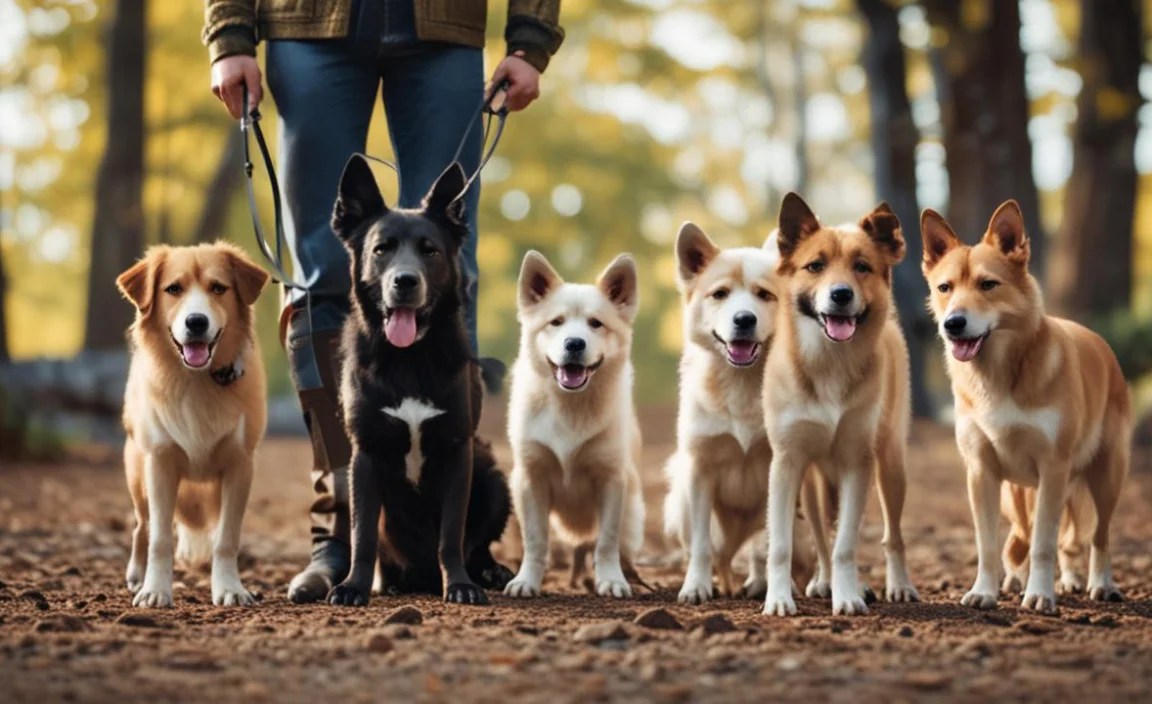
Applying “dog pack mentality training” principles can address a wide range of common behavioral issues. Destructive chewing, excessive barking, jumping on guests, and even aggression can often be linked to a lack of clear leadership or understanding of their place in the “pack.”
When a dog doesn’t perceive you as a firm leader, it may try to step into that role itself. This can manifest as possessiveness over resources (food, toys, you!), a tendency to bark at perceived threats (the mail carrier, other dogs, squirrels), or a general unruliness because it feels responsible for making decisions.
Conversely, a dog that trusts and respects its leader feels secure. This security translates into a willingness to obey commands, a reduction in anxiety-driven behaviors, and a greater overall sense of calm. Practical applications include:
Establishing Routines: Consistent mealtimes, walk schedules, and bedtime routines create predictability and reinforce your role as organizer and leader of the pack.
Controlled Access to Resources: In a pack, the leader often eats first. This doesn’t mean you hoard kibble, but it does mean ensuring your dog waits patiently for its food after you’ve prepared it, and doesn’t guard or snatch food from you or other pack members (including humans).
“Waiting” Commands: Teaching your dog to wait for permission to go through doorways, to eat, or to receive attention reinforces that you control access to desired outcomes. This is a fundamental aspect of “dog pack mentality training.”
Clear Communication: Using consistent verbal cues and body language helps your dog understand your intentions. For example, a firm “no” delivered with confident body language is more effective than yelling or repeated nagging.
Leadership in Walks: Walks are a prime opportunity to solidify your leadership. You lead the way, dictating the pace and direction. Your dog should walk beside or slightly behind you, not forging ahead or lagging behind, pulling you along.
The Role of Positive Reinforcement within the Pack Structure

It’s crucial to emphasize that “dog pack mentality training” is most effective when combined with positive reinforcement methods. This isn’t about alpha-rolling or intimidation, which can damage your dog’s trust and cause fear-based aggression. Instead, it’s about rewarding desired behaviors and, when necessary, calmly redirecting or correcting unwanted ones.
Think of it this way: a good pack leader doesn’t just punish straying members; they also praise and encourage loyalty and good behavior. When your dog successfully waits at the door, walks nicely on leash, or responds to a command, offer praise, a favorite treat, or a short play session. These positive experiences strengthen the bond between you and your dog and reinforce their understanding of what pleases their leader.
When you need to interrupt an undesirable behavior, do so with a clear, firm interrupter (like a calm “eh-eh” or a gentle redirection with a toy), and then immediately guide your dog towards an acceptable alternative. For instance, if your dog starts to chew on furniture, interrupt the behavior, offer an appropriate chew toy, and praise them when they engage with that. This teaches them what they should* be doing instead.
Building a Stronger Bond Through Pack Dynamics
Ultimately, “dog pack mentality training” is about building a strong, trusting relationship with your dog. By understanding their natural instincts and providing them with the structure and guidance they crave, you create a secure and happy environment for them. This leads to a dog that is not only well-behaved but also deeply connected to you.
When a dog feels it has a clear, consistent, and loving leader, it can relax. The constant need to figure things out, to assert itself, or to worry about its place diminishes. This allows its true, playful, and affectionate personality to shine through. Whether you have a single dog or multiple canines, applying these principles will foster a more harmonious “pack” dynamic. The masterful results you seek are not about control for control’s sake, but about cultivating a partnership built on understanding, respect, and clear communication, allowing your dog to thrive.

Meet Elyse Colburn, the devoted canine companion and storyteller behind the enchanting world of “Tales, Tails, and Adventures Unleashed.” A passionate dog enthusiast with a heart full of paw prints, Elyse Colburn shares heartwarming tales and insightful adventures, celebrating the joy, loyalty, and endless antics that make every dog a true hero. Join Elyse Colburn on this tail-wagging journey, where every post is a love letter to our four-legged friends.