
Best dog play behavior solutions are crucial for a happy, well-adjusted canine companion and a harmonious household. Play isn’t just a frivolous activity for dogs; it’s a fundamental part of their physical and mental development, a vital outlet for their natural instincts, and a cornerstone of their social interactions. Understanding and managing dog play behavior can prevent common issues like over-excitement, resource guarding, destructiveness, and inter-dog aggression. Fortunately, a range of effective solutions exists to guide you and your dog towards joyful and appropriate play.
Understanding the Nuances of Dog Play Behavior

Before diving into solutions, it’s essential to recognize that “play” encompasses a wide spectrum of canine activities. It can range from a boisterous game of fetch to gentle wrestling with another dog, or even solitary exploration of a new toy. Each type of play serves a different purpose and requires different management strategies. Puppies, for instance, engage in play to learn social cues, test boundaries, and develop motor skills. Adult dogs use play to reduce stress, maintain physical fitness, and strengthen bonds with their owners and other animals.
When play becomes problematic, it often stems from a lack of clear boundaries, insufficient outlets for energy, or underlying anxieties. Frustration can manifest as nipping, excessive barking, or a refusal to disengage from a game. Similarly, a lack of proper socialization can lead to fear-based aggression or inappropriate interactions with unfamiliar dogs.
Implementing Effective Dog Play Behavior Solutions
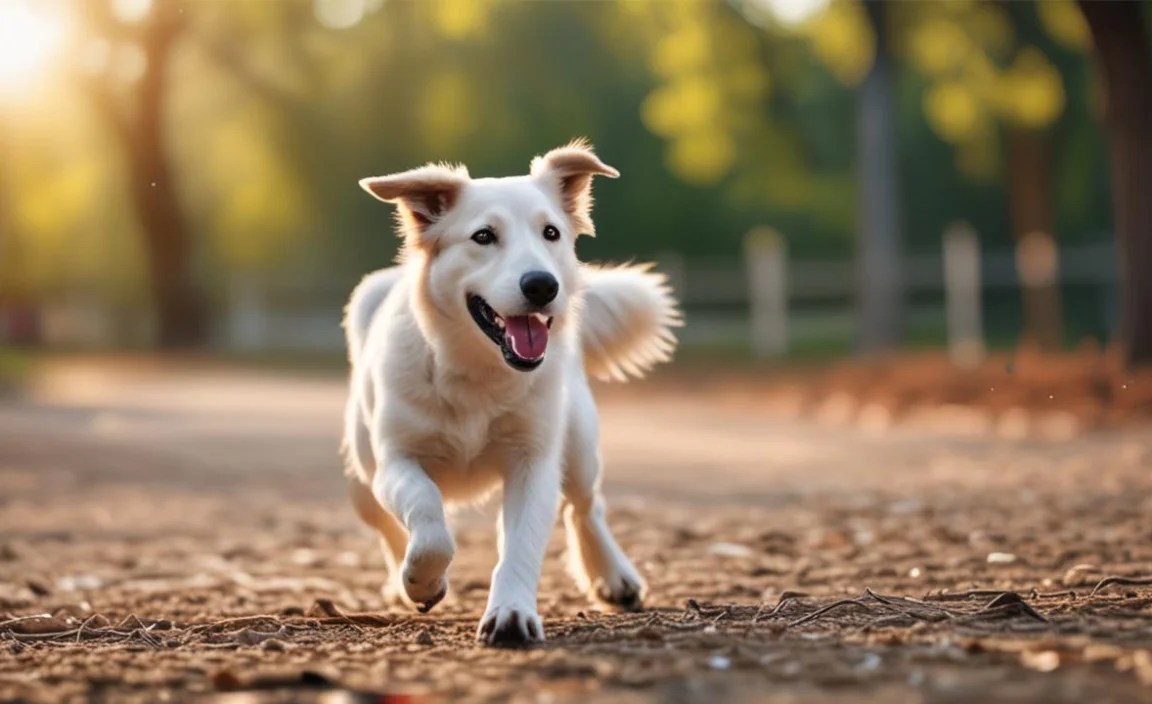
The journey to resolving play-related challenges begins with understanding your dog’s individual needs and personality. What one dog finds stimulating, another might find overwhelming.
1. Mastering the Art of Toy Management

One of the most straightforward yet impactful dog play behavior solutions involves how you manage your dog’s toys. Don’t leave all toys accessible all the time. Rotate toys to keep them novel and exciting. When a toy becomes too prized, leading to possessiveness and potential guarding, it’s time to implement a “trade up” system. Encourage your dog to drop a toy in exchange for a higher-value treat or another desirable toy. This teaches them that relinquishing an item can lead to a positive outcome, rather than a loss.
Furthermore, establish clear rules around certain toys. If a particular toy consistently triggers over-excitement or aggression, consider putting it away permanently or reserving it for supervised play sessions only. Teach your dog the “leave it” cue, which is invaluable for preventing them from grabbing forbidden items or escalating play too intensely.
2. Structured Play for Better Boundaries
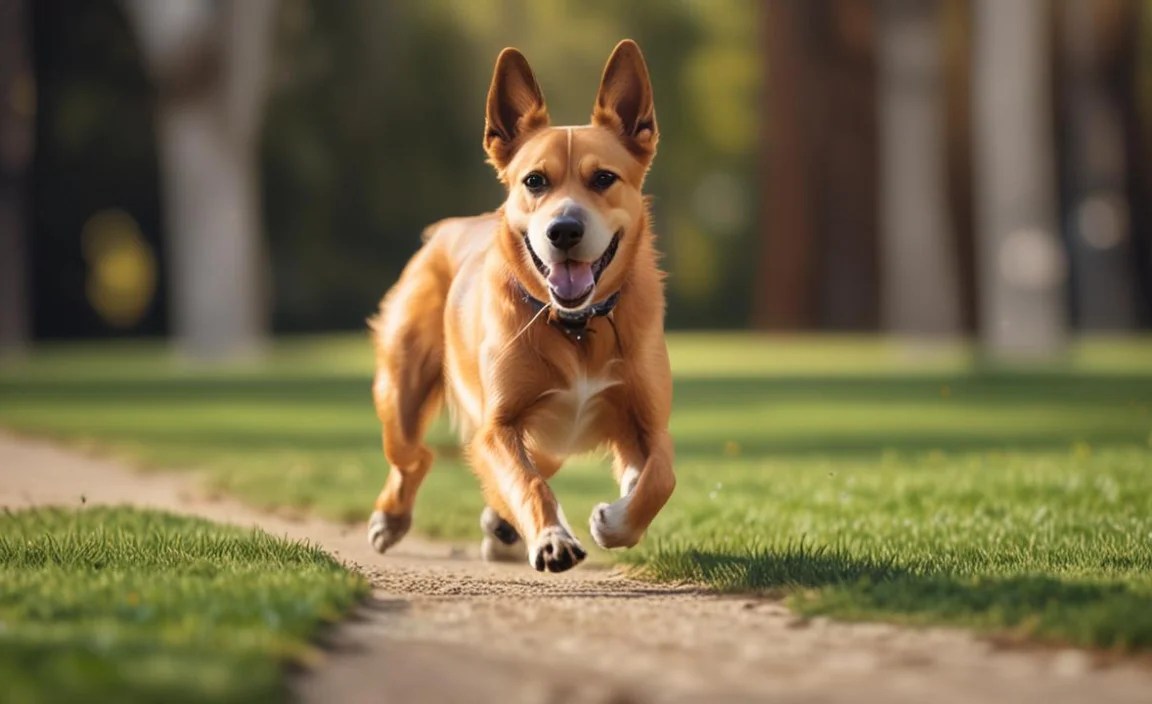
Structured play sessions are paramount for teaching dogs impulse control and appropriate behavior. This means engaging in planned games with clear rules and an endpoint. For example, during fetch, teach your dog to bring the ball back and drop it before you throw it again, rather than expecting them to chase it indefinitely. Games like hide-and-seek can be fantastic for mental stimulation and reinforcing obedience commands.
When introducing your dog to play with other dogs, ensure it’s done in a controlled environment. Socialization classes or playdates with known, well-behaved dogs are ideal. Observe their interactions closely. If play becomes too rough, or if one dog seems consistently overwhelmed or aggressive, it’s time to intervene. Gently separate the dogs, give them a brief cool-down period, and then reintroduce them, perhaps with a different activity.
3. Redirecting Excessive Energy and Excitement

Often, problematic play behavior is a symptom of pent-up energy. Ensure your dog receives adequate physical exercise appropriate for their breed, age, and health. A tired dog is generally a well-behaved dog. This doesn’t always mean long, strenuous walks; puzzle toys, scent work, and short bursts of intense activity can be equally beneficial.
When you see your dog getting overly excited during play, whether with a toy or another dog, intervention is key. Redirect their attention to a more appropriate activity. If they are jumping and nipping excessively, calmly ask them to sit or lie down. If they are pestering another dog, initiate a different game with them or offer them a chew toy to calm down. The goal is to teach them to manage their own arousal levels.
4. Addressing Resource Guarding Through Play Dynamics
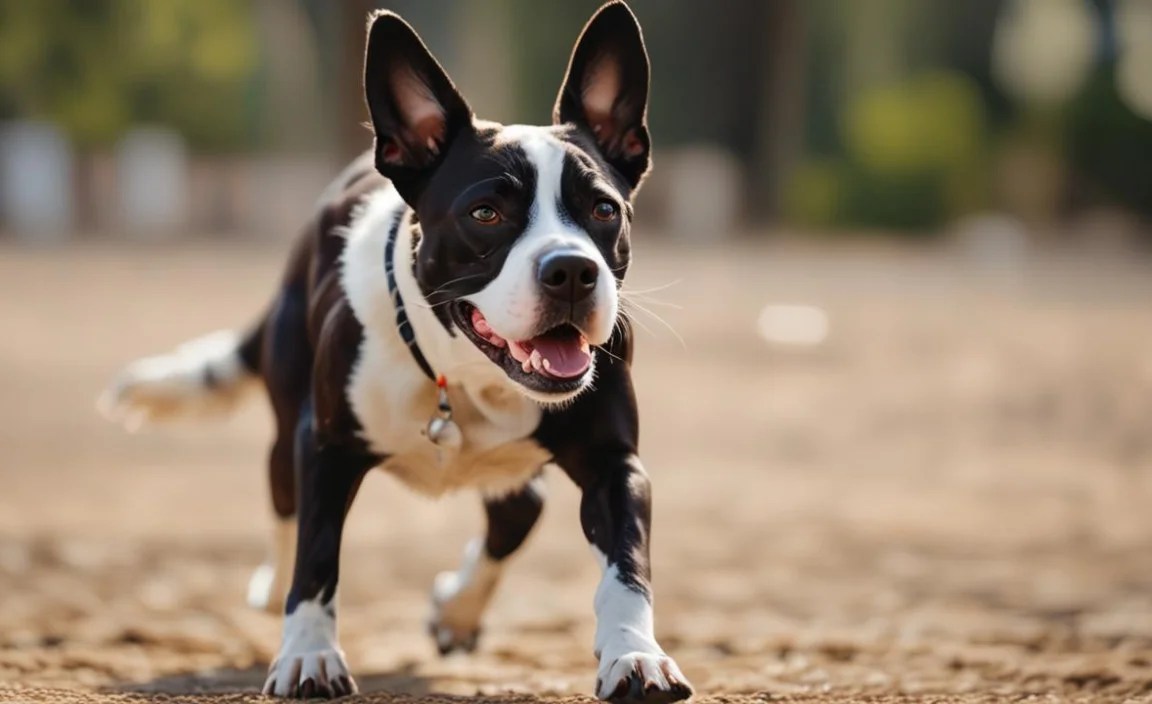
Resource guarding, where a dog becomes possessive of toys, food, or even their owner, can be a serious issue that can spill over into play. If you notice signs of guarding – a stiffening of the body, a low growl, or a direct stare when another dog or person approaches their prized possession – it’s crucial to address it proactively.
One of the best dog play behavior solutions for subtle guarding involves practicing “trading up” and “drop it” commands consistently. Make yourself the source of good things. Regularly offer your dog treats or toys in exchange for what they have. This helps them associate sharing or relinquishing items with positive experiences. Avoid competitive games with dogs prone to guarding, and always supervise play sessions involving high-value items.
5. The Power of Positive Reinforcement

Throughout all your efforts to improve dog play behavior, positive reinforcement is your most powerful tool. Reward calm, appropriate play with praise, treats, or the opportunity to continue the desired activity. When your dog disengages from an escalating situation or chooses a calm alternative, acknowledge and reward it. Conversely, avoid punishment, which can create fear, anxiety, and suppress important communication signals. Focus on teaching your dog what you want them to do, rather than solely punishing them for mistakes.
By understanding the underlying reasons for specific play behaviors and implementing these tailored solutions with patience and consistency, you can foster a more enjoyable and balanced play experience for your dog, strengthening your bond and ensuring a happy, healthy relationship for years to come.

Meet Elyse Colburn, the devoted canine companion and storyteller behind the enchanting world of “Tales, Tails, and Adventures Unleashed.” A passionate dog enthusiast with a heart full of paw prints, Elyse Colburn shares heartwarming tales and insightful adventures, celebrating the joy, loyalty, and endless antics that make every dog a true hero. Join Elyse Colburn on this tail-wagging journey, where every post is a love letter to our four-legged friends.