
Dog play behavior techniques are an integral part of a well-adjusted and happy dog’s life. Far from being mere frivolous activities, play serves crucial developmental and social purposes for our canine companions. Understanding and facilitating appropriate play can transform a potentially anxious or destructive dog into a confident, well-behaved, and deeply bonded family member. This article will delve into the fascinating world of dog play, offering effortless techniques that both enrich your dog’s life and strengthen your connection.
Play is a fundamental aspect of canine development and social interaction, laying the groundwork for essential life skills. Puppies learn bite inhibition and social cues through rough-and-tumble play with their littermates. As they mature, play continues to be a vital outlet for their physical and mental energy, helping to prevent boredom, reduce stress, and build confidence. For us humans, observing and participating in our dogs’ play offers a unique window into their personalities, needs, and desires. It’s a language we can learn to speak, fostering a deeper understanding and a more harmonious relationship.
Understanding the Spectrum of Dog Play Behavior

It’s important to recognize that not all play is the same, and an understanding of different play styles can help you better engage your dog and manage various scenarios.
Chase and Fetch: This is perhaps the most recognizable form of play, involving the pursuit and retrieval of an object. It taps into a dog’s natural prey drive and is excellent for burning off energy, especially for breeds with a strong retrieving instinct.
Tug-of-War: When played correctly, tug-of-war can be a fantastic interactive game that strengthens the bond between you and your dog, and allows them to engage in directed chewing. Key to success here is clear rules and a consistent “drop it” command.
Mouthing and Nipping (in younger dogs): While often a concern for new owners, playful mouthing is how puppies explore their world and learn boundaries. The key is redirecting this behavior to appropriate chew toys and teaching them gentle nips.
Social Play with Other Dogs: This encompasses a wide range of interactions, from wrestling and chasing to play-bows and mock-stalking. Observing canine social dynamics is fascinating and provides insights into their communication.
Effortless Techniques for Encouraging Positive Dog Play Behavior
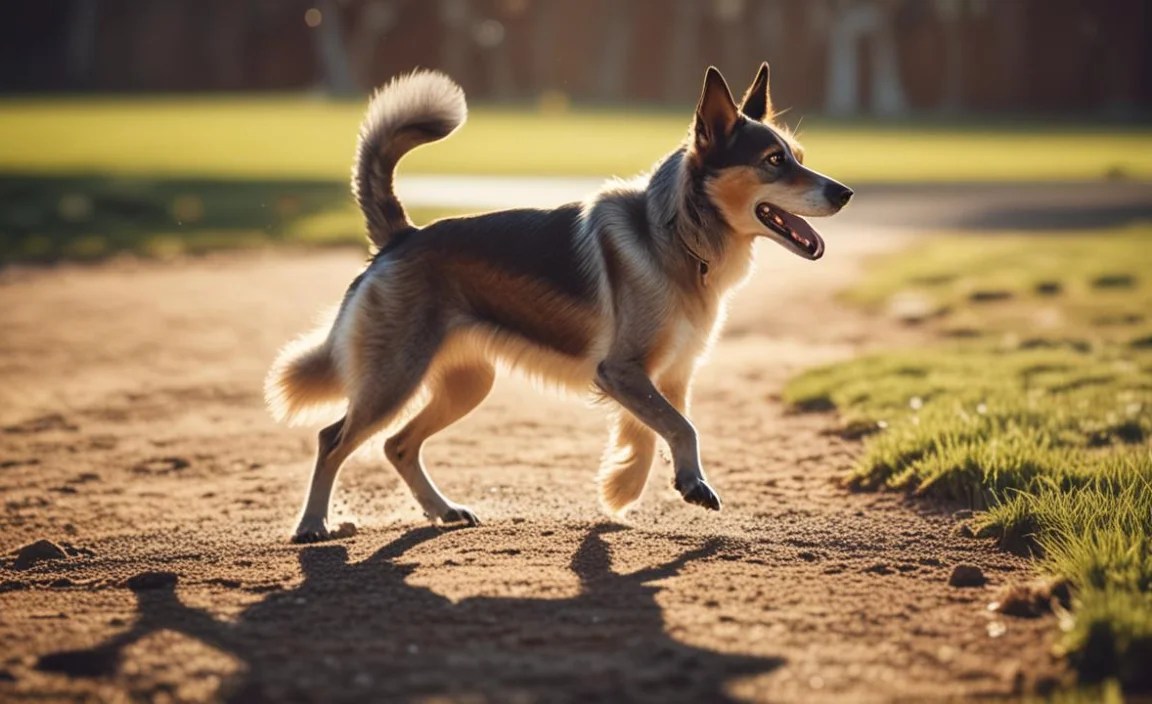
The beauty of many dog play behavior techniques lies in their simplicity and the inherent joy they bring to both dog and owner. The goal isn’t to master complex commands, but rather to create opportunities for your dog to express themselves naturally and learn valuable skills.
1. Embrace the Power of Fetch:
Fetch is a classic for a reason. To make it effortless, start with a toy your dog genuinely loves. Don’t force them to retrieve if they seem hesitant. Begin with short throws, rewarding them for bringing the toy back, even if they don’t immediately release it. Gradually introduce the “drop it” command, pairing it with a high-value treat. The key is consistency and positive reinforcement. Avoid throwing the toy repeatedly if your dog isn’t showing enthusiasm, as this can lead to frustration for both of you.
2. Master the Art of Tug-of-War:
Tug-of-war, when approached with clear boundaries, is an incredibly engaging game. Choose a durable tug toy that’s safe for your dog’s mouth. Establish rules: the game stops if your dog’s teeth touch your skin, or if they refuse to release the toy. Teach a reliable “drop it” command. Vary the intensity of the tugging, making it exciting, but always be prepared to end the game if your dog becomes too rough or possessive. This game is excellent for building confidence and strengthening the owner-dog bond.
3. Facilitate Canine Socialization:
If your dog enjoys playing with other dogs, supervised playdates are invaluable. Choose dogs that are well-behaved and a similar size and energy level. Observe their interactions closely. Look for positive signs like play-bows, loose body language, and reciprocal chasing. If play becomes too rough or one dog seems overly stressed, it’s time to intervene. Keeping play sessions positive and short is more beneficial than prolonged, potentially overwhelming encounters.
4. Introduce Puzzle Toys and Enrichment Activities:
Mental stimulation is as crucial as physical exertion. Puzzle toys, treat dispensers, and scent-based games provide an excellent outlet for a dog’s natural foraging and problem-solving instincts. These toys can effectively occupy a dog, preventing boredom-related destructive behaviors and reinforcing the idea that good things come from engaging their minds. You can start with simpler puzzles and gradually introduce more complex ones as your dog becomes adept.
5. The Importance of “Go Find It” Games:
These scent games are incredibly rewarding and tap into a dog’s primal instincts. Start by hiding a favorite toy or a treat in an obvious location while your dog is watching. Say “Go find it!” and let them have their reward. As they grasp the concept, gradually increase the difficulty by hiding the item in less obvious places as they leave the room or when they are distracted. This is a wonderful way to build confidence and provide mental stimulation indoors or on walks.
Tailoring Play to Your Dog’s Needs
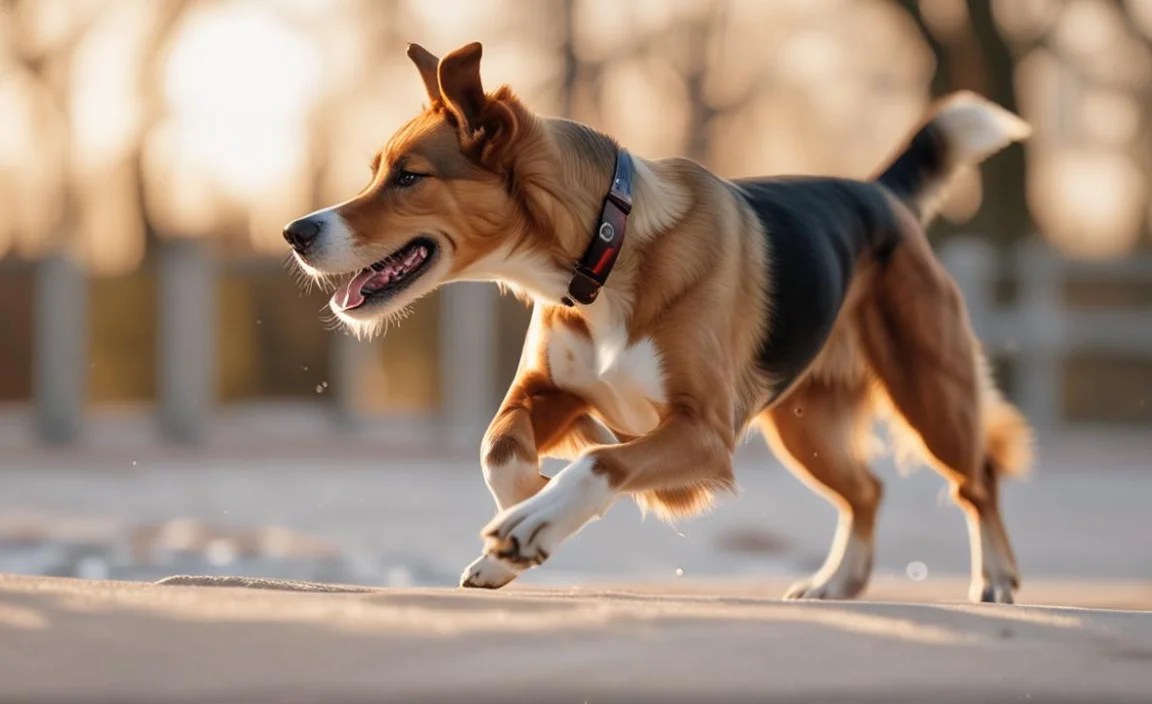
Every dog is an individual, and understanding their specific breed predispositions, personality, and physical condition is paramount. A high-energy Border Collie will require a different play regimen than a laid-back Basset Hound. Consider their age; puppies have different play needs than senior dogs. A strong prey drive might make them excel at fetch, while a more social dog might thrive on playdates.
Observing your dog’s preferences is key to effortless engagement. If your dog consistently gravitates towards certain toys or types of play, lean into those. Don’t force them into activities they find stressful or unappealing. The goal is to create positive associations with play, making it a rewarding experience for both of you.
In conclusion, mastering dog play behavior techniques isn’t about complex training regimens; it’s about understanding your dog’s innate needs and providing consistent, positive opportunities for them to express themselves. By incorporating these effortless techniques into your daily routine, you’ll not only enrich your dog’s life but also forge a stronger, more joyful bond based on mutual understanding and shared fun.

Meet Elyse Colburn, the devoted canine companion and storyteller behind the enchanting world of “Tales, Tails, and Adventures Unleashed.” A passionate dog enthusiast with a heart full of paw prints, Elyse Colburn shares heartwarming tales and insightful adventures, celebrating the joy, loyalty, and endless antics that make every dog a true hero. Join Elyse Colburn on this tail-wagging journey, where every post is a love letter to our four-legged friends.