
Dog territorial behavior advice is crucial for any pet owner looking to foster a harmonious home environment. It’s a natural instinct for our canine companions, stemming from their ancestral roots where protecting resources and their group was paramount for survival. However, when this instinct manifests in unwanted ways, such as excessive barking at perceived intruders, possessiveness over toys or people, or even aggression towards other animals or humans, it can create stress for both the dog and their owners. Understanding the root causes and implementing effective management strategies is key to a peaceful coexistence.
This innate drive to guard what they consider “theirs” can be triggered by a variety of factors. It’s not always about aggression; often, it’s a display of anxiety, fear, or a strong desire to protect their family unit. Recognizing these underlying motivations is the first step in addressing the issue effectively. What might appear as aggressive barking at the mail carrier could, in reality, be a fear-based reaction to a stranger entering their perceived safe space. Similarly, a dog growling when another pet approaches their food bowl is a clear signal of resource guarding, another manifestation of territoriality.
Common Triggers for Dog Territorial Behavior
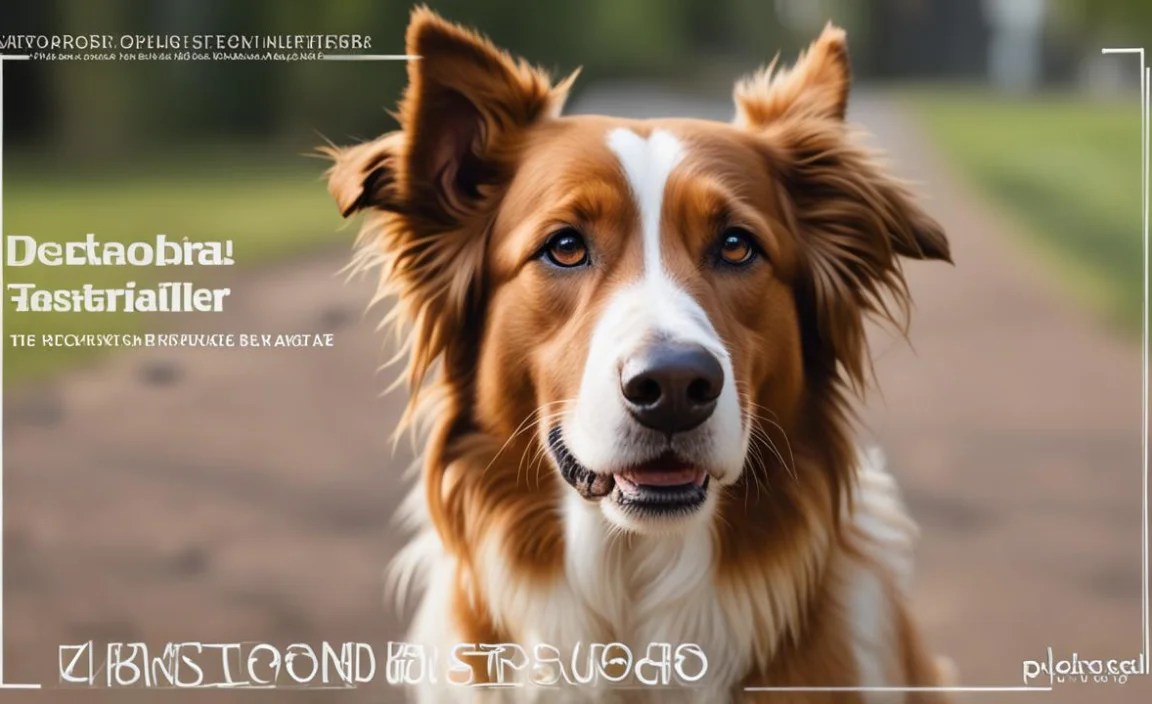
Several common scenarios can ignite a dog’s territorial instincts. The classic example is barking at noises outside the home – a car door slamming, a passerby walking on the sidewalk, or even the rustling of leaves. This vocalization is often an attempt at alerting the “pack” (you!) to a potential threat, whether real or imagined.
Another prevalent trigger is the presence of strangers entering the home. Visitors, delivery personnel, or even friends can be met with a barrage of barks, growls, or an imposing physical stance. This is the dog actively defending their territory and the people within it. This behavior can escalate if not managed.
Possessiveness over objects or people is also a significant aspect of territoriality. A dog might become visibly agitated or aggressive when another dog or person approaches their favorite toy, their bed, their food, or even their owner. This possessive attitude needs careful redirection.
Finally, dog territorial behavior advice often addresses guarding specific areas. This could be the front door, a particular window, or even a room in the house. The dog may patrol these areas, becoming alert and reactive to anything that approaches.
Effective Dog Territorial Behavior Advice for Home Management

Successfully managing territorial tendencies requires a multi-pronged approach that combines training, environmental management, and understanding your dog’s individual personality. consistency is paramount.
1. Establish Clear Boundaries and Leadership: Dogs thrive on structure and understanding their place within the “pack.” As the leader, you need to consistently reinforce that you are in control. Don’t allow your dog to dictate who enters or leaves the home, or who has access to certain spaces or resources, especially if it leads to problematic behavior. For example, when guests arrive, have your dog on a leash initially and reward calm behavior.
2. Desensitization and Counter-Conditioning: This is a cornerstone of dog territorial behavior advice. For external triggers like noises, gradually expose your dog to sounds at a low volume while rewarding calm behavior. As they become less reactive, slowly increase the volume. For visitors, practice having people approach the door without entering. Then, have them briefly step inside while you reward your dog for remaining calm. The goal is to change their association from “threat” to “positive experience.”
3. Resource Guarding Intervention: For dogs exhibiting possessiveness over toys or food, work on “trading.” Teach your dog to voluntarily give up an item in exchange for something even better, like a high-value treat. Never try to forcibly remove an item from a possessive dog, as this can reinforce their fear and guarding behavior. Instead, use positive reinforcement to teach them that sharing or relinquishing items leads to good outcomes.
4. Crate Training and Designated Safe Spaces: A crate can be an invaluable tool. It provides your dog with a secure den where they can retreat and feel safe, reducing the need to guard their surroundings. Ensure the crate is a positive environment, never used for punishment. Similarly, a comfortable dog bed in a quiet area can serve as a designated safe space where they are not disturbed.
5. Proper Socialization: Early and ongoing socialization is vital. Exposing your dog to a variety of sights, sounds, people, and other well-behaved dogs in a positive and controlled manner from a young age helps prevent fear-based territoriality. This teaches them that the world is not a place to be constantly guarded against.
When to Seek Professional Dog Territorial Behavior Advice

While many territorial behaviors can be managed with consistent training and patience, some situations require the expertise of a professional. If your dog’s territorial behavior escalates to aggression, involves biting or lunging, or if you feel overwhelmed and unsafe, it’s time to call in the experts.
A certified professional dog trainer or a veterinary behaviorist can assess your dog’s specific situation, identify the underlying causes for their territoriality, and develop a personalized behavior modification plan. They can provide advanced techniques and ensure that you are implementing them safely and effectively. Remember, seeking professional help is a sign of responsible pet ownership, not a failure.
Managing dog territorial behavior advice is an ongoing process that requires dedication and understanding. By implementing these strategies, you can help your dog feel more secure, reduce their need to guard, and ultimately enjoy a more peaceful and fulfilling life with your beloved canine companion. The key is to approach the situation with empathy, consistency, and a commitment to positive reinforcement.

Meet Elyse Colburn, the devoted canine companion and storyteller behind the enchanting world of “Tales, Tails, and Adventures Unleashed.” A passionate dog enthusiast with a heart full of paw prints, Elyse Colburn shares heartwarming tales and insightful adventures, celebrating the joy, loyalty, and endless antics that make every dog a true hero. Join Elyse Colburn on this tail-wagging journey, where every post is a love letter to our four-legged friends.