
Puppies are adorable bundles of energy and affection, and one of the cutest, yet sometimes perplexing, behaviors they exhibit is licking. While a little bit of puppy licking is normal – it’s how they communicate, show affection, and explore their world – excessive licking dog in puppies can quickly become a concern for new owners. This behavior, whether directed at their own bodies, people, or objects, can range from a mild annoyance to a sign of an underlying issue. Understanding the reasons behind this persistent pawing and slobbering is the first step towards finding effective solutions.
Decoding the “Why” Behind Puppy Licking
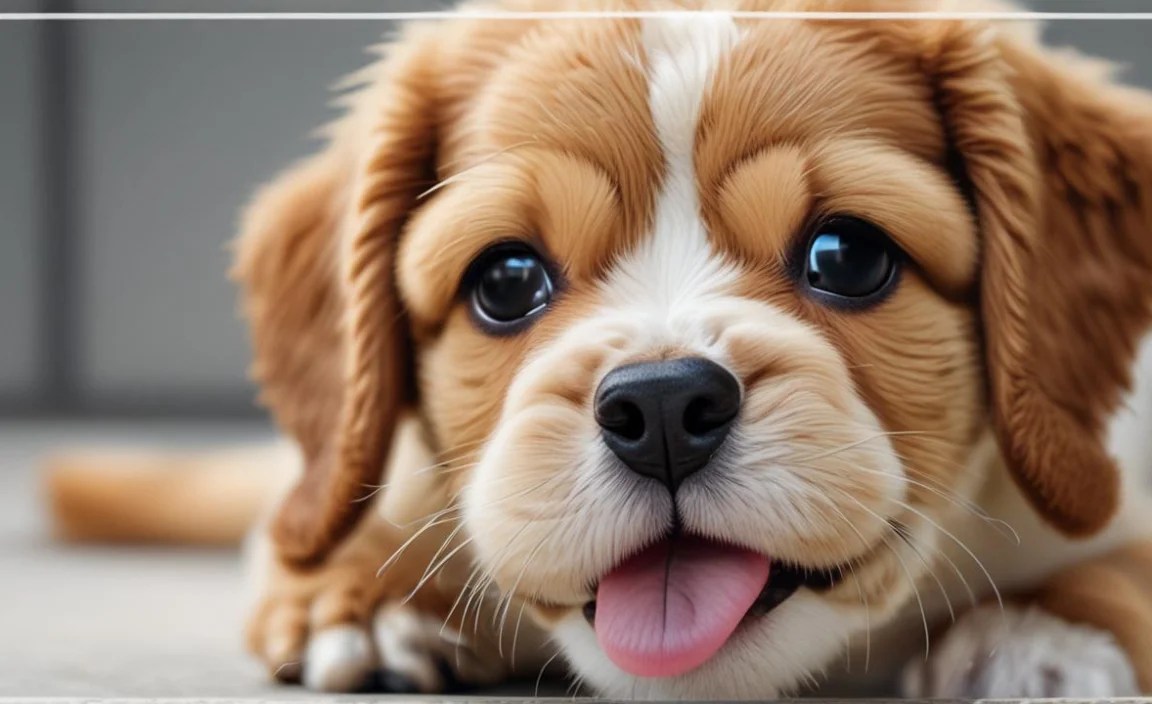
Before we dive into how to fix it, it’s crucial to understand why your puppy might be engaged in such fervent licking. Puppies lick for a variety of developmental, behavioral, and even medical reasons.
Communication and Affection: In their litter, puppies lick each other to establish social bonds, groom, and show submission. They extend this behavior to humans as a way to communicate their feelings – happiness, excitement, or a desire for attention. A gentle lick can be their way of saying “I love you!”
Exploration and Sensory Input: Puppies explore their environment through their mouths and tongues. They might lick interesting textures, smells, or tastes. This is a normal part of their learning process as they discover the world around them.
Anxiety and Stress: Just like humans might bite their nails or fidget when nervous, puppies can resort to licking as a self-soothing mechanism. Changes in routine, a new environment, separation anxiety, or loud noises can all trigger stress that manifests as excessive licking.
Boredom and Lack of Stimulation: A bored puppy has a lot of pent-up energy and not enough outlets for it. Licking can become a self-entertaining activity when they lack sufficient mental and physical stimulation. This is particularly common in high-energy breeds.
Medical Issues: This is where the concern for excessive licking dog in puppies really comes to the forefront. Underlying medical conditions can cause discomfort or irritation that leads to obsessive licking. These can include:
Allergies: Food allergies or environmental allergies (like pollen or dust mites) can cause itchy skin, particularly on the paws, which a puppy will incessantly lick to relieve the irritation.
Parasites: Fleas, ticks, or internal parasites can cause discomfort and itching, prompting licking.
Skin Infections: Bacterial or fungal infections on the skin can be itchy and painful, leading to targeted licking.
Digestive Upset: Nausea or gastrointestinal discomfort can sometimes manifest as licking lips excessively or even licking surfaces.
Pain: A puppy might lick an area of their body where they are experiencing pain, such as a sore joint or an injury.
Addressing Excessive Licking Dog in Puppies: Practical Fixes

Once you have a better understanding of the potential causes, you can begin to implement strategies to curb the excessive licking. A multi-pronged approach is often the most effective.
1. Rule Out Medical Concerns (Essential First Step)

This is paramount. Before attributing the behavior to boredom or anxiety, it is crucial to consult your veterinarian. A thorough examination can help identify or rule out any underlying medical conditions. Your vet might perform skin scrapings, allergy tests, or blood work to diagnose issues like infections, parasites, or allergies. If a medical cause is found, treating the condition will likely resolve the licking behavior. Don’t skip this step; it’s the foundation of effective treatment.
2. Increase Physical and Mental Stimulation

A tired puppy is a well-behaved puppy. Ensuring your puppy gets enough exercise is vital. This includes daily walks, play sessions in a securely fenced yard, and interactive games like fetch.
Beyond physical exertion, mental stimulation is just as important. Puzzle toys, treat-dispensing balls, and training sessions can keep your puppy’s brain engaged. Teaching new tricks, practicing basic obedience commands, or engaging in scent games (hiding treats for them to find) will redirect their energy and reduce boredom-induced licking. Rotate toys regularly to keep them novel and exciting.
3. Manage Anxiety and Stress Triggers

If you suspect anxiety is the culprit, identify the triggers. Is it when you leave the house? Loud noises? New people or pets?
For Separation Anxiety: Start with short absences, gradually increasing the duration. Make departures and arrivals low-key. Consider a designated safe space for your puppy, like a crate with comforting bedding and a familiar scent. You can also use calming aids like pheromone diffusers or calming treats, under veterinary guidance.
For General Anxiety: Create a predictable routine. Provide a quiet, secure space where your puppy can retreat. Introduce new experiences gradually and positively. Avoid harsh punishments, as this can exacerbate anxiety.
4. Redirect and Interrupt the Behavior

When you observe your puppy engaging in excessive licking, gently interrupt them. This doesn’t mean scolding; a simple, firm “no” or a clap of your hands can break their focus. Immediately redirect them to an appropriate activity – a chew toy, a training exercise, or a game. The goal is to teach them that licking is not the desired behavior and show them what is. Consistency is key here. Ensure everyone in the household is on the same page with the redirection strategy.
5. Provide Appropriate Chew Objects

Puppies have a natural urge to chew and lick. Ensure they have a variety of safe and engaging chew toys available. These can include durable rubber toys, dental chews, or even safe, edible chews. This gives them an appropriate outlet for their oral fixation. Rotating these toys also keeps their interest piqued.
6. Teach “Leave It” and “Enough” Commands

These commands can be invaluable. “Leave It” teaches your puppy to disengage from something they shouldn’t be interacting with, including licking themselves or objects excessively. “Enough” can be used to politely ask them to stop an action. Consistent training with positive reinforcement will help them understand and respond to these cues.
7. Consider Grooming and Diet

If your puppy is licking their paws excessively, check their paws for any debris or irritants. Regular grooming can help identify skin issues early. For potential food allergies, your vet might recommend an elimination diet to pinpoint problematic ingredients. Changes in diet should always be discussed with a veterinarian.
In conclusion, while excessive licking dog in puppies can be a puzzling issue, it’s rarely without a cause. By approaching the problem systematically – starting with a veterinary check-up, understanding your puppy’s individual needs, and implementing consistent training and environmental management – you can help your puppy overcome this behavior and foster a happy, healthy relationship. Remember that patience and consistency are your greatest allies in addressing this common puppy challenge.

Meet Elyse Colburn, the devoted canine companion and storyteller behind the enchanting world of “Tales, Tails, and Adventures Unleashed.” A passionate dog enthusiast with a heart full of paw prints, Elyse Colburn shares heartwarming tales and insightful adventures, celebrating the joy, loyalty, and endless antics that make every dog a true hero. Join Elyse Colburn on this tail-wagging journey, where every post is a love letter to our four-legged friends.