
For many devoted dog owners, their German Shepherd is more than just a pet; they are a cherished member of the family. As such, ensuring their canine companion receives optimal nutrition is paramount. This often leads to a crucial question: is grain-free dog food for German Shepherds the best choice? While many commercial dog foods contain grains like corn, wheat, and soy, a growing number of owners are opting for grain-free alternatives. This shift is driven by concerns about potential allergies, sensitivities, and the overall digestive health of their German Shepherd. Let’s delve into why grain-free diets have become so popular and explore what makes them a potentially superior option for this intelligent and active breed.
Understanding German Shepherd Nutritional Needs
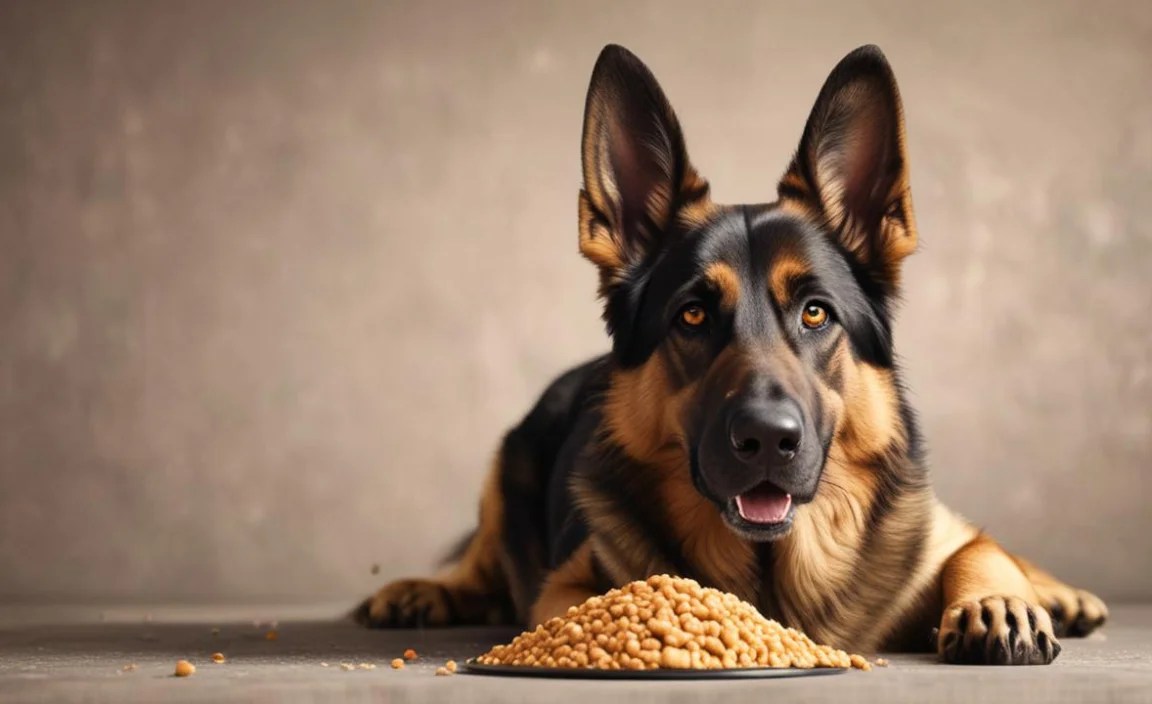
German Shepherds are a large, athletic breed known for their intelligence, loyalty, and work ethic. Their diet needs to support their active lifestyle, muscle development, and overall health. They require a balanced intake of protein, fats, vitamins, and minerals. Protein is essential for muscle maintenance and repair, while healthy fats provide energy and support skin and coat health. Carbohydrates, traditionally provided by grains, offer additional energy and fiber, which aids in digestion. However, the source of these carbohydrates is where the debate around grain-free diets originates.
The Grain Controversy: Why Owners Consider Grain-Free

The primary reason behind the surge in popularity of grain-free dog food for German Shepherds stems from perceived issues with grains. Some dogs, while not exclusively German Shepherds, can develop sensitivities or even allergies to certain grains. Symptoms can range from mild digestive upset like gas and loose stools to more severe skin issues such as itching, redness, and hair loss. While not all dogs react negatively to grains, for those that do, removing them from the diet can lead to significant improvements in their well-being.
Furthermore, some nutritionists argue that while domesticated dogs have evolved to digest grains to some extent, their ancestral diet was primarily meat-based. This perspective suggests that a diet lower in grains and higher in animal protein might be more biologically appropriate for canines, potentially leading to better nutrient absorption and overall health.
Benefits of Grain-Free Dog Food for German Shepherds

For German Shepherds, a well-formulated grain-free diet can offer several advantages:
Improved Digestion: Many grain-free foods replace grains with alternative carbohydrate sources like sweet potatoes, peas, lentils, or tapioca. These ingredients are often easier for some dogs to digest, potentially reducing issues like bloating and gas. This can be particularly beneficial for German Shepherds, who can be predisposed to certain digestive sensitivities.
Reduced Allergy Risks: As mentioned, if your German Shepherd exhibits signs of grain allergies or sensitivities, a grain-free diet is a natural solution. By eliminating common allergens, you can help alleviate uncomfortable symptoms and improve your dog’s quality of life.
Higher Protein Content: Many grain-free formulas are designed with a higher percentage of animal protein, reflecting a desire to mimic a more ancestral diet. This can be excellent for active breeds like German Shepherds, supporting muscle mass and providing sustained energy for their demanding activities.
Enhanced Skin and Coat Health: While not solely attributable to the absence of grains, high-quality grain-free foods often feature ingredients rich in omega-3 and omega-6 fatty acids. These essential fats are crucial for maintaining a healthy skin barrier and promoting a shiny, lustrous coat, a hallmark of a healthy German Shepherd.
Better Weight Management: For some dogs, particularly those prone to weight gain, a diet lower in simple carbohydrates found in some grains can aid in weight management. This, coupled with appropriate protein levels, can help maintain a lean physique.
Choosing the Right Grain-Free Diet

When selecting grain-free dog food for German Shepherds, it’s crucial to remember that not all grain-free options are created equal. Here’s what to look for:
High-Quality Protein Source: Opt for foods where the first ingredient is a named animal protein (e.g., chicken, lamb, beef, fish). Avoid generic “meat by-products” as the primary protein source.
Balanced Carbohydrate Sources: Look for alternative carbohydrates like sweet potatoes, peas, lentils, or fruits that are easily digestible and provide essential fiber and nutrients. However, be mindful of recent discussions around the increased use of legumes in some grain-free diets and their potential links to dilated cardiomyopathy (DCM) in certain breeds.
Absence of Artificial Additives: Choose foods free from artificial colors, flavors, and preservatives. These offer no nutritional benefit and can sometimes contribute to sensitivities.
Veterinary Consultation: Before making any significant changes to your German Shepherd’s diet, it is always recommended to consult with your veterinarian. They can assess your dog’s individual needs, health history, and help you choose the most appropriate food. They can also advise on any potential concerns related to diet and breed-specific health issues.
AAFCO Statement: Ensure the food carries an AAFCO (Association of American Feed Control Officials) statement, indicating that it is complete and balanced for your dog’s life stage.
Potential Downsides and Considerations

While the benefits are numerous, it’s important to acknowledge potential considerations with grain-free diets. As mentioned, there have been emerging concerns about a potential link between certain diets, including some boutique, grain-free options, and dilated cardiomyopathy (DCM) in dogs. The FDA has been investigating this issue, and while the exact cause is not fully understood, it’s believed to be multifactorial, potentially involving the interplay of genetics, diet composition (particularly high levels of legumes as primary ingredients in the absence of grains), and other factors. This underscores the importance of choosing reputable brands and discussing any dietary changes with your veterinarian.
Conclusion: A Personalized Approach
Ultimately, whether grain-free dog food for German Shepherds is the “best choice” depends on the individual dog. For many German Shepherds, a carefully selected grain-free diet can offer significant advantages in terms of digestion, energy levels, and overall well-being. However, it’s not a universal solution, and some dogs thrive on well-formulated, grain-inclusive diets. The key is to understand your dog’s specific nutritional requirements and sensitivities, prioritize high-quality ingredients, and always work closely with your veterinarian to make informed decisions about their diet. By doing so, you can ensure your beloved German Shepherd enjoys a long, healthy, and vibrant life.

Meet Elyse Colburn, the devoted canine companion and storyteller behind the enchanting world of “Tales, Tails, and Adventures Unleashed.” A passionate dog enthusiast with a heart full of paw prints, Elyse Colburn shares heartwarming tales and insightful adventures, celebrating the joy, loyalty, and endless antics that make every dog a true hero. Join Elyse Colburn on this tail-wagging journey, where every post is a love letter to our four-legged friends.