
Grain-free dog food for pitbulls has become a topic of significant discussion among responsible pet owners, and for good reason. Pitbulls, like any breed, have unique nutritional needs, and what goes into their food bowl can have a profound impact on their overall health, energy levels, and even their skin and coat. For many owners, making the switch to a grain-free diet for their American Pit Bull Terrier or other Pitbull-type breeds is seen as a proactive step towards ensuring optimal well-being.
The debate surrounding grain-free diets often centers on the idea that grains can be difficult for some dogs to digest or may contribute to certain health issues. While not all dogs react negatively to grains, some breeds, and individual dogs within those breeds, may exhibit sensitivities. This is where understanding the composition of grain-free dog food for pitbulls becomes crucial.
Why Consider Grain-Free for Your Pitbull?

Pitbulls are often characterized by their muscular builds and energetic natures. They require a diet rich in high-quality protein to support their muscle mass and provide sustained energy for their active lifestyles. While grains can be a source of carbohydrates, they are not an essential component of a dog’s diet. Many grain-free formulas replace grains with alternative carbohydrate sources like sweet potatoes, peas, tapioca, or lentils. These ingredients can be highly digestible and provide valuable nutrients and fiber.
One of the primary reasons owners opt for grain-free food is to address potential sensitivities or allergies. Symptoms of food sensitivities in dogs can manifest in various ways, including:
Skin Issues: Chronic itching, redness, hot spots, and a dull coat are common indicators.
Digestive Upset: Diarrhea, vomiting, and gas can signal that a dog’s digestive system is struggling with certain ingredients.
Ear Infections: Persistent ear infections can sometimes be linked to dietary triggers.
While grains are not the only potential culprit for these issues, they are a common component in many traditional dog foods. By eliminating grains, owners can sometimes see a significant improvement in these symptoms. This is why investigating grain-free dog food for pitbulls often becomes a priority for those seeking solutions to these common canine health concerns.
Key Considerations When Choosing Grain-Free for Pitbulls

When selecting a grain-free diet for your Pitbull, several factors should be paramount. The quality of ingredients is non-negotiable. Look for a primary protein source listed as the first ingredient. This could be chicken, beef, lamb, fish, or other animal-based proteins. Avoid foods where a grain or a less-defined animal byproduct is the first ingredient.
Beyond the protein source, consider the overall balance of nutrients. A good quality grain-free food will still provide adequate carbohydrates from reputable sources, healthy fats for coat and skin health, and essential vitamins and minerals. The Association of American Feed Control Officials (AAFCO) ensures that dog food meets specific nutritional standards for different life stages, so always check for AAFCO statements on the packaging.
Examining Different Grain-Free Options
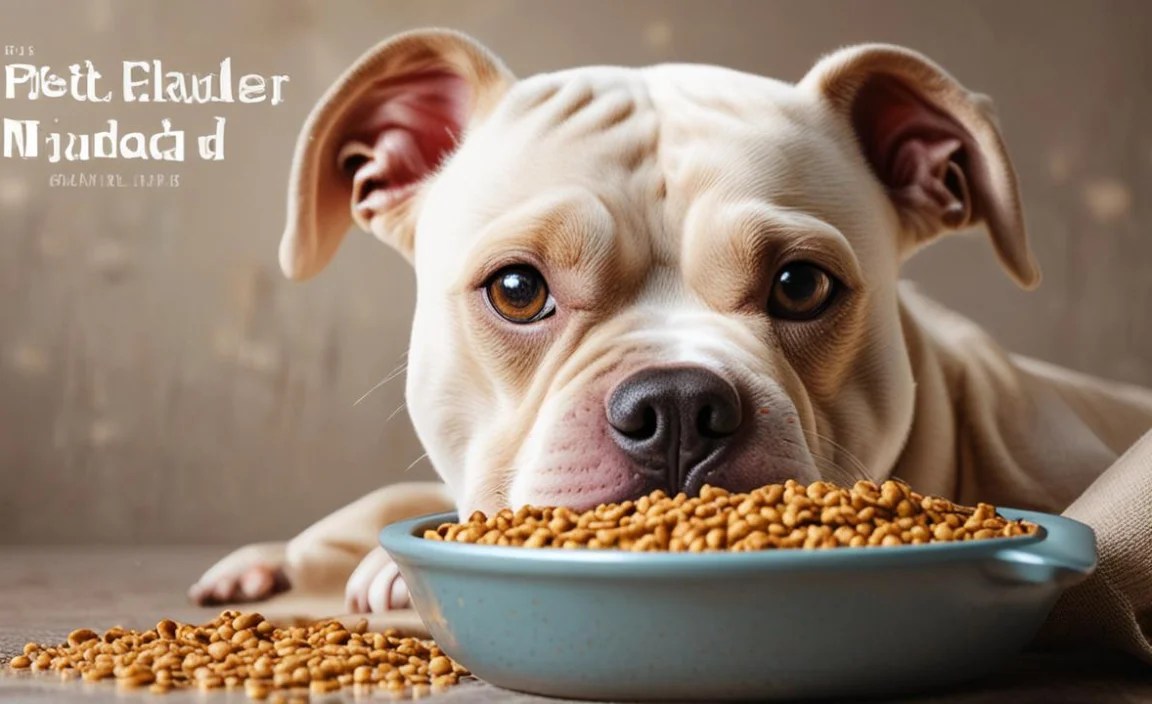
The market offers a wide array of grain-free dog food for pitbulls, each with its own unique blend of ingredients and nutritional profiles. Some popular grain-free options include:
Sweet Potato and Chicken Formulas: These are often well-tolerated and provide a good balance of protein and easily digestible carbohydrates.
Pea and Fish-Based Diets: For Pitbulls with sensitivities to common proteins like chicken or beef, a fish-based diet rich in omega-3 fatty acids can be highly beneficial for skin and coat health.
Lentil and Lamb Formulas: Lamb is a novel protein for many dogs, making it a good option for those suspected of having sensitivities to more common meats. Lentils offer a good source of fiber and plant-based protein.
When evaluating these options, it’s essential to read the ingredient list meticulously. Look for whole, recognizable ingredients. Avoid artificial colors, flavors, and preservatives, as these offer no nutritional value and can potentially cause adverse reactions.
The Role of Veterinarians in Dietary Choices

While the popularity of grain-free diets is undeniable, it’s crucial to emphasize the importance of consulting with your veterinarian. They can help you assess your individual Pitbull’s health status, discuss their specific nutritional needs, and guide you in making the best dietary choices. Your vet can rule out other underlying medical conditions that might be contributing to health issues you are trying to address. They can also provide informed recommendations on specific brands or types of grain-free dog food for pitbulls that might be a good fit.
It’s also worth noting that the veterinary community has been engaged in discussions regarding a potential link between certain grain-free diets and a condition called dilated cardiomyopathy (DCM) in dogs. While the exact cause is still under investigation, some studies suggest a possible association between diets high in legumes (like peas and lentils) as a primary carbohydrate source and heart health concerns in certain breeds. Your veterinarian will be up-to-date on the latest research and can help you navigate this complex topic.
Making the Transition to a New Diet

If you and your veterinarian decide that a grain-free diet is the best choice for your Pitbull, the transition should be done gradually. Suddenly switching your dog’s food can lead to digestive upset. Begin by mixing a small amount of the new food with their current food, gradually increasing the proportion of the new food over a period of 7-10 days. Monitor your dog closely for any signs of digestive distress or adverse reactions.
Ultimately, the “best choice” for your Pitbull’s diet is a personalized one. While grain-free dog food for pitbulls offers many potential benefits, especially for those with sensitivities, it’s not a one-size-fits-all solution. By understanding your dog’s individual needs, prioritizing quality ingredients, and working closely with your veterinarian, you can make an informed decision that supports their health and happiness for years to come.

Meet Elyse Colburn, the devoted canine companion and storyteller behind the enchanting world of “Tales, Tails, and Adventures Unleashed.” A passionate dog enthusiast with a heart full of paw prints, Elyse Colburn shares heartwarming tales and insightful adventures, celebrating the joy, loyalty, and endless antics that make every dog a true hero. Join Elyse Colburn on this tail-wagging journey, where every post is a love letter to our four-legged friends.