
Welcoming a puppy into your home is an incredibly exciting time, filled with boundless joy and, of course, a significant responsibility for their well-being. Among the most crucial aspects of puppy care is providing them with the right nutrition. While commercial puppy food is readily available, many owners are exploring the option of homemade dog food for puppies. This approach offers a unique opportunity to tailor your puppy’s diet to their specific needs, ensuring they receive the freshest, highest-quality ingredients for optimal growth and development.
The decision to prepare homemade food for your puppy is a significant one that requires careful consideration and research. It’s not simply a matter of throwing together some human food scraps. Puppies have very specific nutritional requirements that differ from adult dogs, and their rapidly developing bodies need a balanced blend of proteins, fats, carbohydrates, vitamins, and minerals to thrive. When formulated correctly, homemade diets can offer remarkable benefits, including improved digestion, shinier coats, increased energy levels, and a reduction in allergies or sensitivities to commercial food ingredients. However, it’s imperative to understand that an unbalanced homemade diet can lead to serious health issues, making proper research and consultation with veterinary professionals paramount.
Understanding Puppy Nutritional Needs
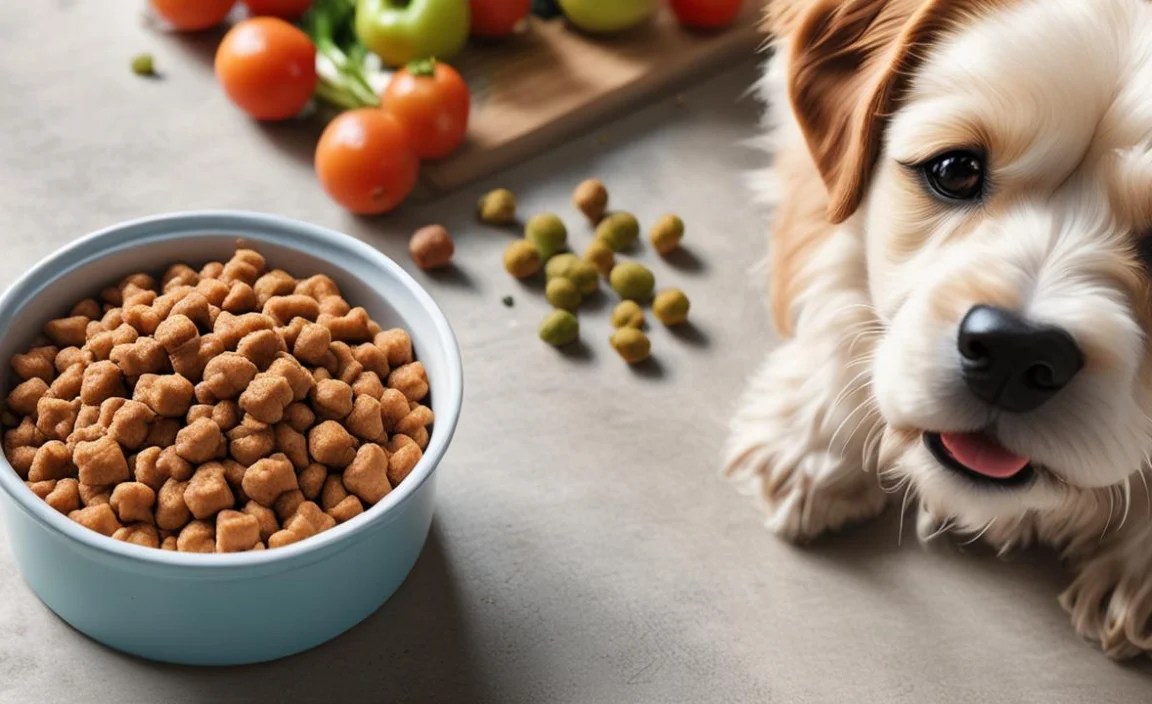
Before embarking on the journey of preparing homemade dog food for puppies, it’s essential to grasp what growing canine bodies require. Puppies are in a critical developmental phase, building bones, muscles, organs, and immune systems. This means their caloric needs are higher per pound than adult dogs, and they require specific nutrients in precise proportions.
Protein: This is the cornerstone of puppy nutrition, vital for muscle development, tissue repair, and overall growth. Lean sources of animal protein, such as chicken, turkey, lean beef, lamb, and fish, are excellent choices. Puppies typically require a higher percentage of protein in their diet compared to adult dogs.
Fats: Healthy fats are crucial for energy, healthy skin and coat, and the absorption of fat-soluble vitamins (A, D, E, and K). Sources like fish oil, flaxseed oil, and the natural fats present in meats are beneficial.
Carbohydrates: These provide energy. While often overlooked in some raw diets, digestible carbohydrates like cooked rice, quinoa, sweet potatoes, and oats can be valuable sources of energy and fiber.
Vitamins and Minerals: This is where homemade diets can become complex. Puppies need specific amounts of calcium and phosphorus for bone development, which must be in a precise ratio. Other essential vitamins and minerals, such as iron, zinc, and B vitamins, are also critical. Imbalances here can lead to skeletal deformities or other health problems.
Crafting Balanced Homemade Dog Food for Puppies

Creating a nutritionally complete and balanced homemade diet for your puppy is an art and a science. It’s highly recommended to work with a veterinary nutritionist or a veterinarian with a strong background in animal nutrition. They can help you formulate recipes that are specific to your puppy’s breed, size, age, and any individual health considerations.
A general guideline for a balanced homemade diet might look something like this (percentages are approximate and will vary based on individual needs and veterinarian recommendations):
Protein Source (50-60%): Cooked lean meats (chicken, turkey, beef, lamb), fish, or eggs.
Vegetables (20-25%): Steamed or pureed non-starchy vegetables like green beans, carrots, spinach, broccoli, and peas. Avoid onions, garlic, and avocado, which can be toxic to dogs.
Carbohydrates (15-20%): Cooked grains like brown rice, quinoa, oats, or starchy vegetables like sweet potatoes.
Healthy Fats (Small Amount): Fish oil or flaxseed oil for omega-3 fatty acids.
Calcium and Phosphorus Supplementation: This is critical and often requires specific supplements recommended by your vet to ensure the correct ratio. Plain yogurt or small amounts of bone meal can be considered, but precise measurement is key.
The Practicalities of Homemade Diets

Preparing homemade dog food for puppies involves more than just ingredient selection; it also requires practical considerations for preparation, storage, and feeding.
Cooking and Preparation: Meats should always be cooked thoroughly to kill bacteria like Salmonella and E. coli, which can be harmful to both puppies and humans. Vegetables should be cooked until tender and often pureed to make them easier to digest. Grains should be cooked according to package directions.
Portion Control: Puppies have varying caloric needs based on their breed and growth rate. Your veterinarian can help you determine the appropriate amount of food to feed your puppy daily. It’s often best to divide their daily intake into 3-4 smaller meals throughout the day, especially in the early months.
Storage: Prepared homemade food should be stored in airtight containers in the refrigerator for up to 3-4 days. For longer storage, individual portions can be frozen. Thaw frozen portions in the refrigerator before serving.
Transitioning to Homemade Food: If your puppy is currently on commercial food, transition them gradually over a week to 10 days to avoid digestive upset. Start by mixing a small amount of the homemade food with their current food, gradually increasing the proportion of homemade food while decreasing commercial food.
Potential Pitfalls and When to Consult a Professional

While the idea of homemade dog food for puppies is appealing, it’s crucial to be aware of potential pitfalls:
Nutritional Imbalances: This is the most significant risk. Insufficient calcium, incorrect calcium-to-phosphorus ratios, or deficiencies in essential vitamins and minerals can lead to severe skeletal issues, developmental problems, and long-term health consequences.
Bacterial Contamination: Improper handling and cooking of raw ingredients can expose your puppy to dangerous bacteria.
Digestive Upset: Sudden dietary changes or the inclusion of ingredients your puppy cannot tolerate can lead to vomiting, diarrhea, or other digestive issues.
Time Commitment: Preparing fresh, balanced meals daily requires a significant investment of time and effort.
The Importance of Veterinary Guidance

Given the complexities and potential risks, consulting with your veterinarian or a board-certified veterinary nutritionist is not just recommended – it’s crucial when considering homemade dog food for puppies. They can:
Assess your puppy’s specific nutritional needs based on breed, age, activity level, and health status.
Help you develop a safe and balanced recipe tailored to your puppy.
Recommend appropriate supplements to ensure all nutritional requirements are met.
Guide you on proper food handling and storage to prevent bacterial contamination.
Monitor your puppy’s growth and health to ensure the diet is working effectively.
In conclusion, for those seeking the absolute best for their growing canine companions, homemade dog food for puppies can be a rewarding and beneficial choice. However, it demands dedication, meticulous planning, and, most importantly, professional veterinary guidance to ensure your puppy receives the complete and balanced nutrition they need for a healthy, happy, and long life.

Meet Elyse Colburn, the devoted canine companion and storyteller behind the enchanting world of “Tales, Tails, and Adventures Unleashed.” A passionate dog enthusiast with a heart full of paw prints, Elyse Colburn shares heartwarming tales and insightful adventures, celebrating the joy, loyalty, and endless antics that make every dog a true hero. Join Elyse Colburn on this tail-wagging journey, where every post is a love letter to our four-legged friends.