
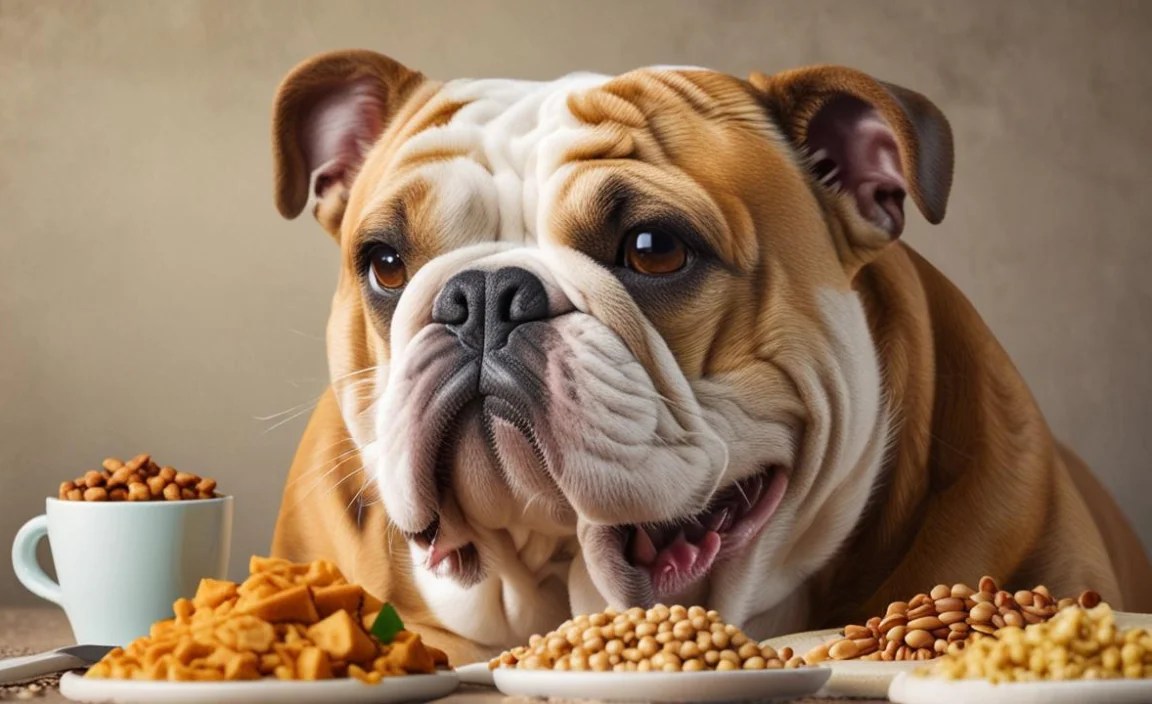
Bulldog grain-free food: best homemade recipes for your brachycephalic companion. Much has been spoken about the potential benefits of grain-free diets for dogs, and for brachycephalic breeds like bulldogs, who can sometimes have sensitive digestive systems, tailoring their nutrition is paramount. While commercial grain-free options are widely available, many owners are increasingly exploring the world of homemade grain-free dog food for bulldogs. This approach offers unparalleled control over ingredients, allowing you to meticulously craft a diet that caters to your bulldog’s specific needs and preferences, potentially alleviating common bulldog ailments like skin allergies or digestive upset.
The Allure of Homemade for Bulldogs

Why consider the effort of preparing homemade meals for your bulldog? For starters, the transparency of ingredients is a significant draw. You know exactly what goes into your dog’s bowl – no fillers, obscure additives, or preservatives you can’t pronounce. This is particularly relevant for bulldogs, who can be prone to food sensitivities and allergies. By hand-picking each component, you can better identify and avoid potential allergens like corn, wheat, soy, or even certain proteins.
Furthermore, the nutritional customization is a game-changer. A well-balanced homemade diet can be precisely formulated to meet the unique nutritional requirements of a bulldog at different life stages – puppy, adult, or senior. This includes ensuring the right balance of protein, healthy fats, carbohydrates (from safe, grain-free sources), vitamins, and minerals. For bulldogs, who are often predisposed to joint issues, incorporating ingredients rich in omega-3 fatty acids can be incredibly beneficial for joint health and reducing inflammation.
Understanding Grain-Free for Bulldogs

Before diving into recipes, it’s crucial to understand what “grain-free” truly means in the context of canine nutrition. It signifies the exclusion of grains such as wheat, corn, barley, rice, and oats. However, it’s important to remember that dogs do not inherently need grains. Carbohydrates are essential for energy, and these can be effectively sourced from various grain-free options like sweet potatoes, potatoes, peas, lentils, and certain fruits and vegetables.
For bulldogs, switching to a grain-free diet may be recommended if they experience adverse reactions to grains, such as itchy skin, ear infections, or digestive issues like diarrhea or vomiting. However, it’s always best to consult with your veterinarian before making any significant dietary changes. They can help determine if a grain-free diet is truly necessary and rule out other underlying health conditions.
Crafting the Perfect Homemade Grain-Free Dog Food for Bulldogs

Creating a nutritionally complete and balanced homemade diet requires careful planning and understanding of canine nutritional science. The key is to strike the right balance between protein, fat, and carbohydrates, alongside essential vitamins and minerals, ensuring every meal is a power-packed affair for your bulldog.
Protein Sources: Opt for high-quality protein that is easily digestible for bulldogs. Lean meats like chicken, turkey, or duck are excellent choices. For variety and different nutrient profiles, consider lean beef, lamb, or even fish like salmon or sardines (cooked and deboned). A good starting point is to have protein make up approximately 50-60% of the total meal.
Healthy Fats: Fats are vital for energy, nutrient absorption, and skin and coat health. Excellent sources include salmon oil, coconut oil, or flaxseed oil. These also provide beneficial omega-3 and omega-6 fatty acids, crucial for reducing inflammation and maintaining a healthy coat – a common concern for bulldogs. Aim for fats to constitute around 20-30% of the diet.
Grain-Free Carbohydrates: These provide energy and fiber. Sweet potatoes are a fantastic option, rich in vitamins A and C. Other suitable choices include pumpkin, peas, green beans, carrots, and blueberries. These should ideally make up about 10-20% of the total food volume. Remember to cook vegetables thoroughly for easier digestion.
Vitamins and Minerals: This is where homemade diets can become complex. While whole foods provide many nutrients, ensuring complete and balanced intake of all essential vitamins and minerals can be challenging. Supplementation is often necessary. Calcium and phosphorus are particularly critical for bone health, and their ratio needs to be precise. Balanced vitamin and mineral supplements specifically formulated for homemade dog food are highly recommended. Consider consulting a veterinary nutritionist to help you develop a precise recipe and supplementation plan.
Essential Considerations for Homemade Diets
Cooking and Preparation: Always cook meats thoroughly to kill harmful bacteria. Vegetables should be steamed or boiled until tender. Avoid feeding raw ingredients that could pose a risk of contamination.
Portion Control: Bulldogs are prone to weight gain. Accurately measuring ingredients and understanding your bulldog’s daily caloric needs based on their age, activity level, and metabolism is crucial.
Variety: While rotating protein sources is good, avoid drastic ingredient changes that can upset your bulldog’s digestive system. Introduce new foods gradually.
Storage: Prepare meals in batches and store them in airtight containers in the refrigerator for up to 3-4 days, or freeze portions for longer storage.
Professional Guidance: As stated before, consulting with a veterinary nutritionist is the most important step. They can create a customized recipe tailored to your bulldog’s specific health needs, breed predispositions, and any existing sensitivities. They can also guide you on the correct supplementation to ensure no nutritional gaps exist.
The Rewards of a Tailored Diet

Embarking on the journey of preparing homemade grain-free food for your bulldog is a significant commitment, demanding time, research, and dedication. However, the potential rewards – a happier, healthier bulldog with a lustrous coat, improved digestion, and better overall well-being – can make it a profoundly fulfilling endeavor. By taking an active role in their nutrition, you are investing in their longevity and quality of life, ensuring your beloved brachycephalic companion thrives.

Meet Elyse Colburn, the devoted canine companion and storyteller behind the enchanting world of “Tales, Tails, and Adventures Unleashed.” A passionate dog enthusiast with a heart full of paw prints, Elyse Colburn shares heartwarming tales and insightful adventures, celebrating the joy, loyalty, and endless antics that make every dog a true hero. Join Elyse Colburn on this tail-wagging journey, where every post is a love letter to our four-legged friends.