
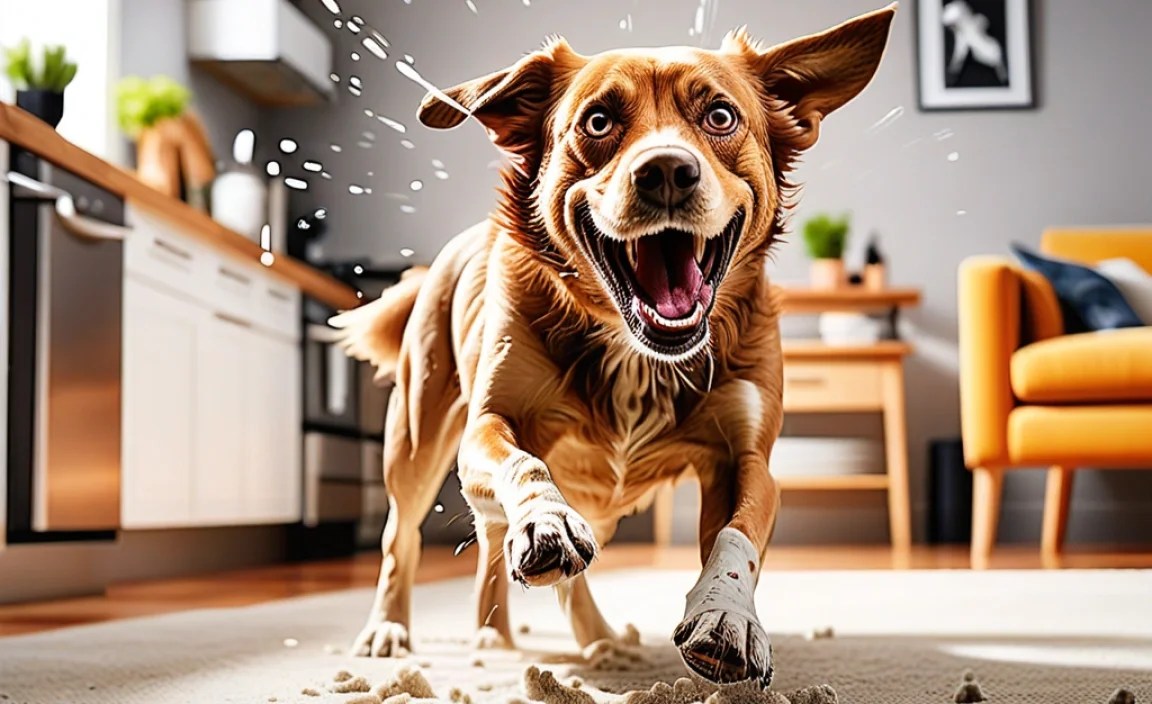
Living with a hyperactive dog can feel like a constant whirlwind, a joyful yet sometimes overwhelming experience filled with boundless energy. But what if managing that exuberance didn’t require elaborate training or expensive interventions? Fortunately, there are numerous hyperactive dog solutions at home that are not only effective but also surprisingly simple to implement. These strategies focus on understanding your dog’s needs and channeling their energy in constructive, positive ways, transforming a potentially chaotic household into a harmonious one.
The key to successful hyperactive dog solutions at home lies in consistency and understanding. Many dogs exhibit hyperactive behaviors because they are bored, lack sufficient mental or physical stimulation, or are simply not getting their needs met. By addressing these underlying causes, you can significantly reduce unwanted behaviors like excessive barking, destructive chewing, constant pacing, and an inability to settle. It’s about creating a balanced lifestyle for your canine companion that caters to their innate drive and intelligence.
Understanding the Root of the Wiggles

Before diving into specific solutions, it’s crucial to understand why your dog is hyperactive. Is it age-related, with puppies and young dogs naturally having more energy? Is it breed-specific, with certain breeds requiring more exercise and mental engagement? Or could it be a sign of anxiety or an underlying medical condition? While home solutions can address many common causes, a veterinarian check-up is always advisable to rule out any health concerns. Once you have a clearer picture, you can tailor your approach.
For many owners, hyperactive behavior is a sign that their dog isn’t expending enough energy. This is where a proactive approach to physical activity comes into play. Think beyond the standard 15-minute walk. Consider longer outings, jogging with your dog, playing fetch in a large park, or even engaging in canine sports like agility or flyball. The goal is to tire them out physically, not to the point of exhaustion, but enough to promote a sense of calm afterward. Remember, a tired dog is a good dog, and this is a fundamental principle for many hyperactive dog solutions at home.
Harnessing Playtime for Calmness

Playtime isn’t just for fun; it’s an essential tool in your arsenal of hyperactive dog solutions at home. Interactive games like fetch, tug-of-war (with clear rules and boundaries), and hide-and-seek can be incredibly rewarding for both dog and owner. These activities not only burn energy but also strengthen your bond and provide mental stimulation. When playing tug, for instance, teach your dog to release the toy on command. This introduces a level of control into the game, which can translate to better impulse control in other areas of their life.
Puzzle toys and interactive feeders are also game-changers. Instead of just dumping kibble into a bowl, use a treat-dispensing toy that requires your dog to work for their food. This engages their problem-solving skills and slows down their eating, which is beneficial for digestion and can help alleviate boredom-related behaviors. Other options include snuffle mats or simply hiding small portions of their meals around the house or garden for them to find. These small challenges can make a big difference in redirecting their energy.
Mental Enrichment: The Brain Game
If physical exercise is the body, then mental enrichment is the mind. Many hyperactive dogs are simply not being challenged mentally enough. This can lead to them finding their own “jobs,” which often involve chewing furniture or digging up the garden. Hyperactive dog solutions at home focusing on mental stimulation can be as simple as teaching new tricks. Even five minutes of training a day can be incredibly effective. Use positive reinforcement methods, rewarding them with treats, praise, or a favorite toy.
Consider scent games. Dogs have an incredible sense of smell, and engaging this sense can be deeply satisfying. Hide treats or favorite toys and encourage your dog to sniff them out. You can start easy and gradually increase the difficulty. Learning new commands, practicing existing ones in different environments, or even using a clicker for training can all provide crucial mental stimulation. The more you engage their brain, the less likely they are to resort to unwanted behaviors.
Establishing a Calming Routine
Consistency and routine are paramount when implementing hyperactive dog solutions at home. Dogs thrive on predictability. A regular schedule for feeding, walks, playtime, training, and potty breaks can reduce anxiety and uncertainty, which often contribute to hyperactivity. Ensure that your dog also has designated quiet times. This means teaching them to relax and settle down, even when there’s activity around them.
Creating a “den” or a safe, comfortable space for your dog is essential. This could be a crate, a dog bed in a quiet corner, or a specific room where they can retreat when they need to calm down. Make this space a positive experience by offering treats or special toys only in this area. Teach your dog that this is their sanctuary, a place where they can rest without being disturbed. When they are in their den, encourage quiet behavior. You might even use a calming scent like lavender (ensure it’s safe for dogs) or play soft, relaxing music.
Training for Tranquility
Basic obedience training is a cornerstone of managing hyperactive dogs. Commands like “sit,” “stay,” “down,” and “leave it” not only provide structure but also help your dog learn self-control. When your dog is overly excited, asking them to perform a known command can help interrupt the frenzy and bring them back to a more manageable state. For example, if your dog is bouncing off the walls before a walk, ask for a “sit-stay” for a few moments before you attach the leash. This teaches them that calm behavior is rewarded and is a prerequisite for enjoyable activities.
Furthermore, training them to have a “place” or a designated spot to go to and settle when guests arrive or during busy mealtimes is another incredibly effective strategy. This gives them a clear expectation and reduces their urge to solicit attention through jumping or barking. Remember, patience and positive reinforcement are your best allies. Celebrate small successes and don’t get discouraged by setbacks.
The Power of Patience and Observation

Ultimately, the most effective hyperactive dog solutions at home involve a deep understanding of your individual dog. Observe their behavior, identify triggers for their hyperactivity, and celebrate their moments of calm. What works for one dog might not work for another, so be prepared to experiment and adapt your strategies.
By integrating more physical activity, mental challenges, consistent routines, and positive training into your dog’s daily life, you can transform their high energy into manageable enthusiasm. These home-based solutions not only address hyperactivity but also contribute to a happier, healthier, and more well-adjusted canine companion, making your shared life a truly joyous experience.
Related Posts


Meet Elyse Colburn, the devoted canine companion and storyteller behind the enchanting world of “Tales, Tails, and Adventures Unleashed.” A passionate dog enthusiast with a heart full of paw prints, Elyse Colburn shares heartwarming tales and insightful adventures, celebrating the joy, loyalty, and endless antics that make every dog a true hero. Join Elyse Colburn on this tail-wagging journey, where every post is a love letter to our four-legged friends.