
Is your furry friend a furry tornado, a blur of fur and boundless energy that leaves you both exhausted and a little bewildered? If your dog’s exuberance often verges on uncontrollable, you’re not alone. Many dog owners grapple with managing their canine’s hyperactivity, seeking effective and easy hyperactive dog solutions solutions to restore peace and order to their lives. Thankfully, a combination of understanding, consistent training, and a tailored approach can transform a whirlwind of a dog into a well-behaved, calmer companion.
Understanding the Root of Hyperactivity

Before diving into solutions, it’s crucial to understand why your dog might be excessively energetic. Hyperactivity in dogs isn’t always a behavioral problem in itself; it can stem from several factors.
Breed Predisposition: Certain breeds, like Border Collies, Jack Russell Terriers, and many working dogs, are naturally bred for high energy levels and require significant mental and physical stimulation. If your dog falls into one of these categories, their “hyperactivity” might simply be unmet needs.
Lack of Exercise: This is perhaps the most common culprit. A dog that doesn’t get enough physical activity will often express their pent-up energy in destructive or overwhelming ways. This could manifest as excessive barking, destructive chewing, constant pacing, or relentless “zoomies” indoors.
Insufficient Mental Stimulation: Dogs aren’t just bodies; they have sharp minds that need engaging. Boredom can lead to frustration and hyperactivity. Puzzle toys, training sessions, and scent games are vital for their cognitive well-being.
Diet: While less common, some dogs can be sensitive to certain ingredients or levels of nutrients in their food, which can impact their energy levels. Consulting your veterinarian about your dog’s diet is always a good idea.
Anxiety or Stress: In some cases, hyperactivity can be a sign of underlying anxiety, fear, or stress. Changes in the household, loud noises, or separation anxiety can trigger such behaviors. This often differs from simple exuberance, as it may be accompanied by other signs of distress.
Medical Conditions: Though rare, certain medical conditions can contribute to hyperactivity. If your dog’s behavior change is sudden and unexplained, a vet check-up is essential.
Effective Hyperactive Dog Solutions: A Multi-Pronged Approach

Tackling hyperactivity requires a consistent and comprehensive strategy. Here are some of the most effective hyperactive dog solutions solutions you can implement:
1. Prioritize Physical Exercise
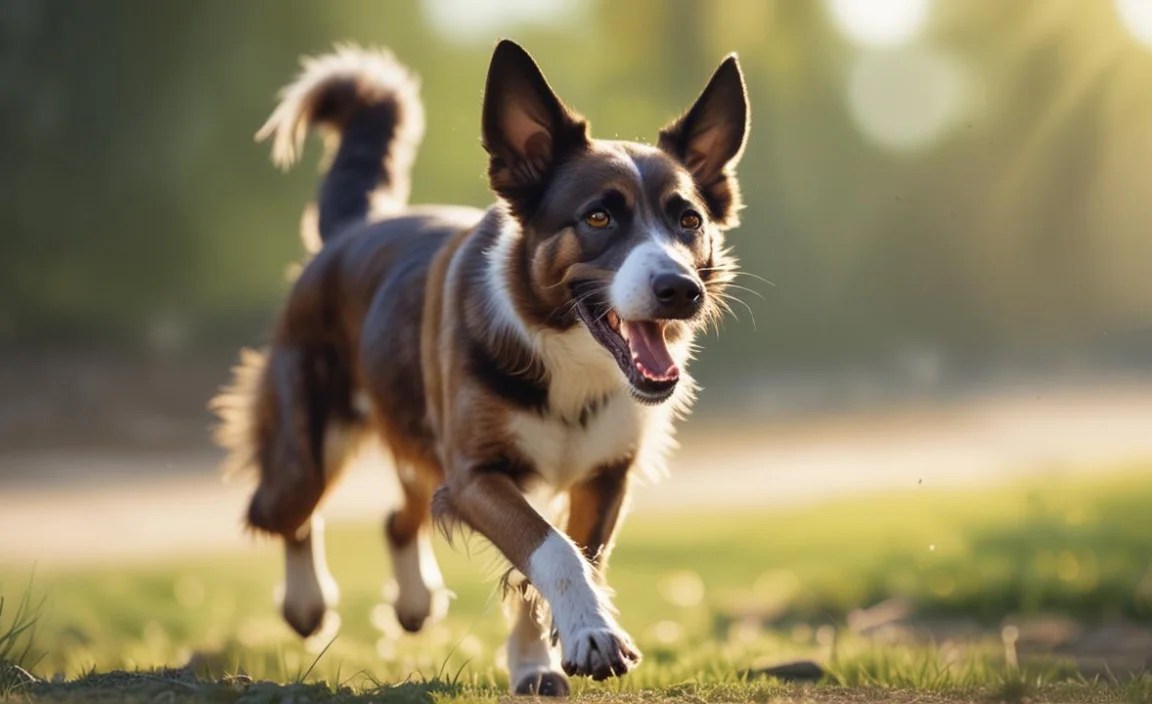
This is non-negotiable. The amount and type of exercise needed will vary based on your dog’s breed, age, and individual energy levels.
Daily Walks: Aim for at least two walks per day, varying the route to keep things interesting. Make them brisk walks, not just leisurely strolls.
Running and Fetch: If your dog loves to run, find safe, open spaces for them to play fetch or simply run freely.
Swimming: For water-loving dogs, swimming is an excellent, low-impact way to burn energy.
Dog Parks: Supervised visits to dog parks can provide opportunities for strenuous play and socialization. Ensure your dog is comfortable and safe in this environment.
2. Boost Mental Stimulation

A tired brain is as important as a tired body. Mental exhaustion can be just as effective as physical exertion.
Puzzle Toys: Invest in interactive food-dispensing toys that make your dog work for their treats. This can keep them occupied for extended periods.
Training Sessions: Short, frequent training sessions (5-15 minutes) using positive reinforcement for commands like “sit,” “stay,” “come,” and new tricks are mentally demanding.
Nose Work and Scent Games: Hide treats around the house or yard and encourage your dog to find them. This taps into their natural instinct to sniff and explore.
Agility and Obedience Classes: Enrolling in advanced obedience or agility classes provides structure, challenge, and a rewarding outlet for your dog’s energy.
3. Establish a Consistent Routine

Dogs thrive on predictability. A regular schedule for feeding, potty breaks, exercise, and playtime helps manage expectations and reduce anxiety.
Set Times: Feed your dog at the same time each day, take them out for potty breaks on a consistent schedule, and dedicate specific times for walks and play.
Wind-Down Time: Implement a calming routine before bedtime. This might include a gentle massage, quiet time with you, or a calming lick mat.
4. Implement Positive Reinforcement Training
When your dog exhibits calm behavior, reward them generously. This teaches them what you want them to do.
Reward Calmness: Whenever you see your dog settling down, lying quietly, or exhibiting less frantic behavior, offer praise, a gentle pat, or a small, healthy treat.
Ignore (When Safe and Appropriate) Unwanted Hyperactivity: For behaviors like jumping or excessive barking fueled by overexcitement, sometimes withdrawing attention can be more effective than punishment, which can sometimes escalate the behavior. Wait for a moment of calm before engaging.
Redirect Energy: If you see your dog about to launch into a zoomie session indoors, redirect them to a permitted outlet – a chew toy or a quick training cue.
5. Manage Their Environment
Sometimes, the environment itself can trigger or exacerbate hyperactivity.
Designated Calm Space: Ensure your dog has a comfortable den or crate where they can retreat and feel safe and relaxed.
Limit Access: When you can’t actively supervise, consider limiting your dog’s access to certain parts of the house or keeping them in a designated puppy-proofed area with engaging toys.
Reduce Stimuli: If your dog gets overly excited by external stimuli like other dogs passing by the window, consider blocking their view with blinds or frosted film.
The Role of Diet and Veterinary Consultations

While exercise and training are primary hyperactive dog solutions solutions, don’t overlook your dog’s health.
Consult Your Vet: If the hyperactivity is sudden, severe, or accompanied by other symptoms, a veterinary visit is crucial to rule out any underlying medical conditions. Discuss your dog’s diet with your vet as well. They can advise on appropriate food choices and potential sensitivities.
High-Quality Food: Ensure your dog is on a balanced, high-quality diet that is appropriate for their age, breed, and activity level. Avoid foods with excessive fillers or artificial ingredients, which can sometimes affect behavior.
Patience is Key

Transforming a hyperactive dog into a calm companion is a journey, not a destination. It requires patience, consistency, and a deep understanding of your dog’s needs. Celebrate small victories, remain consistent with your chosen methods, and remember that a well-exercised and mentally stimulated dog is a happier, healthier, and more balanced dog. By implementing these hyperactive dog solutions solutions, you’ll not only bring peace to your household but also strengthen the bond with your beloved furry friend.

Meet Elyse Colburn, the devoted canine companion and storyteller behind the enchanting world of “Tales, Tails, and Adventures Unleashed.” A passionate dog enthusiast with a heart full of paw prints, Elyse Colburn shares heartwarming tales and insightful adventures, celebrating the joy, loyalty, and endless antics that make every dog a true hero. Join Elyse Colburn on this tail-wagging journey, where every post is a love letter to our four-legged friends.