
Ensuring your Siberian Husky maintains a healthy weight is crucial for their overall well-being and longevity. Low-calorie husky food might seem like a challenge to source or prepare, but it’s more achievable and beneficial than you might think. Whether you’re looking for commercially prepared options or considering supplementing their diet with homemade meals, understanding their specific nutritional needs and caloric requirements is key. Huskies are a breed known for their energy and athleticism, but just like any dog, they can be prone to weight gain if their diet isn’t properly balanced with their activity levels. This can lead to various health issues, including joint problems, heart disease, and a shorter lifespan. Therefore, focusing on nutrient-dense, lower-calorie options is a vital aspect of responsible husky ownership.
The Importance of Calorie Control for Huskies

Huskies are a working breed with a naturally robust metabolism. However, as domestic pets, their exercise routines can vary significantly. A husky that spends most of its time indoors or in a yard might require fewer calories than one participating in sledding activities or long-distance runs. Overfeeding, even with seemingly healthy food, can lead to obesity.
Obesity in dogs, including huskies, can manifest in several ways:
Increased risk of joint problems: Extra weight puts undue stress on their hips, knees, and spine, exacerbating conditions like hip dysplasia or arthritis, which are already common in larger breeds.
Cardiovascular strain: A heavier heart has to work harder to pump blood, increasing the risk of heart disease.
Diabetes: Similar to humans, obesity can lead to insulin resistance and type 2 diabetes.
Reduced mobility and energy: Overweight dogs tend to be less active, creating a vicious cycle of decreased activity and further weight gain.
Heat intolerance: Huskies are already susceptible to overheating due to their thick double coat. Excess weight can significantly worsen this.
Therefore, selecting a diet with appropriate calorie density is paramount for keeping your husky lean, energetic, and healthy throughout their life.
Decoding Commercial Low-Calorie Husky Food Options

When browsing the aisles for your husky’s food, look for bags that specifically state “weight management,” “reduced calorie,” or “healthy weight.” These formulas typically contain:
High-quality protein: This is essential for muscle maintenance, especially in an active breed like the husky. Protein also helps dogs feel fuller for longer, reducing the temptation to beg for more food.
Controlled fat content: Fat is calorie-dense, so lower-calorie formulas will have a carefully measured amount of fat.
Added fiber: Fiber aids digestion and promotes satiety. Ingredients like beet pulp, peas, and approved grains can contribute beneficial fiber.
Essential nutrients and antioxidants: Look for foods fortified with vitamins, minerals, and antioxidants that support overall health and immune function.
Always check the guaranteed analysis on the packaging. Protein content should ideally be between 20-30%, and fat content below 15%, for a weight management formula suitable for huskies. Avoid fillers like excessive corn, wheat, or soy if your husky has sensitivities. Consulting your veterinarian can also help you navigate the vast array of commercial options and recommend brands or specific formulas that align with your husky’s individual health profile and needs.
The Appeal of Low-Calorie Homemade Dog Food for Huskies

For owners who prefer a more hands-on approach, creating low-calorie homemade dog food for huskies can be incredibly rewarding. This allows for complete control over ingredients, ensuring freshness, quality, and precise portioning. However, it’s also the most labor-intensive option and requires careful planning to ensure nutritional completeness.
When crafting homemade meals, focus on lean protein sources, digestible carbohydrates, and plenty of vegetables for vitamins and fiber. Here are some key components to consider:
Lean Protein:
Chicken breast or turkey breast (skinless, boneless): Excellent lean protein sources.
White fish (like cod or tilapia): Low in fat and calories, good source of omega-3s.
Lean ground beef or lamb (drained of fat): Use sparingly and ensure fat is removed.
Healthy Carbohydrates/Grains:
Brown rice: Provides fiber and sustained energy.
Quinoa: A complete protein source, easily digestible.
Sweet potatoes: Rich in vitamins and fiber, offer complex carbohydrates.
Oats: Good source of soluble fiber.
Vegetables:
Carrots: Rich in beta-carotene.
Green beans: Low in calories, good fiber.
Spinach or kale: Packed with vitamins and minerals (serve in moderation).
Broccoli or cauliflower: Offer fiber and nutrients (steam or lightly cook).
Healthy Fats (in moderation):
Fish oil or flaxseed oil: For omega-3 fatty acids, crucial for skin, coat, and joint health.
Crucial Note on Balance: It is imperative to consult with a veterinary nutritionist or a veterinarian knowledgeable in canine nutrition before switching to or regularly feeding a homemade diet. Imbalances in nutrients, particularly calcium and phosphorus, can cause severe health problems. They can help you formulate a recipe that meets your husky’s specific needs, including the correct ratios of macronutrients and micronutrients, and advise on appropriate portion sizes.
Transitioning to a New Diet
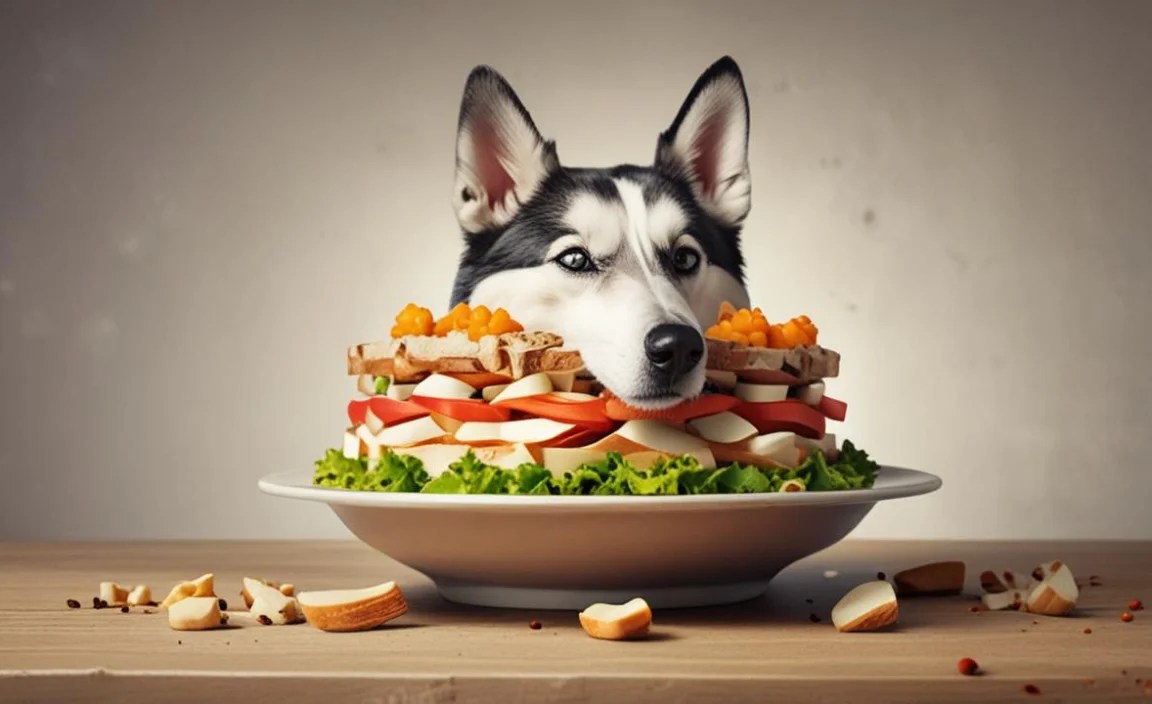
Regardless of whether you choose commercial or homemade, introducing any new food should be done gradually. Start by mixing about 25% of the new food with 75% of the old food for a few days. Slowly increase the proportion of the new food and decrease the old over a week to ten days to prevent digestive upset.
Beyond Food: Lifestyle and Weight Management

It’s not just about the food itself; a holistic approach to your husky’s health is essential.
Regular Exercise: Consistent, appropriate exercise is crucial for burning calories and maintaining muscle mass. Think long walks, hiking, or play sessions.
Portion Control: Even the healthiest food needs to be measured. Use a measuring cup and follow feeding guidelines on the packaging or as prescribed by your veterinarian or nutritionist.
Treats in Moderation: Low-calorie dog treats or small pieces of fruits and vegetables (like apple slices or carrots) can be used, but they should not constitute a significant portion of their daily calorie intake.
Avoid Table Scraps: Human food is often too high in fat, salt, and calories for dogs and can lead to digestive issues and weight gain.
Regular Vet Check-ups: Your veterinarian can monitor your husky’s weight, body condition score, and recommend adjustments to their diet and exercise plan as needed.
By understanding the specific needs of your Siberian Husky and making informed choices about their diet, you can ensure they lead a long, healthy, and energetic life, free from the complications associated with excess weight. Whether you opt for carefully selected commercial food or a meticulously prepared low-calorie homemade dog food for huskies, prioritizing their health through balanced nutrition and an active lifestyle is a commitment that yields immeasurable rewards.

Meet Elyse Colburn, the devoted canine companion and storyteller behind the enchanting world of “Tales, Tails, and Adventures Unleashed.” A passionate dog enthusiast with a heart full of paw prints, Elyse Colburn shares heartwarming tales and insightful adventures, celebrating the joy, loyalty, and endless antics that make every dog a true hero. Join Elyse Colburn on this tail-wagging journey, where every post is a love letter to our four-legged friends.