
Puppy Training Behavior Fast: Easy strategies are not just a dream, but an achievable reality for dedicated pet parents. Welcoming a new puppy into your life is an incredibly rewarding experience, filled with boundless joy and adorable antics. However, it also comes with the responsibility of guiding your furry friend to become a well-behaved member of your family. While Hollywood portrayals might suggest rapid, effortless transformations, the truth is that effective puppy training requires consistency, patience, and understanding. The good news is, with the right approach, you can significantly accelerate the learning process and establish good habits from the outset.
The foundation of any successful training program lies in understanding basic canine psychology. Puppies, much like human children, learn through repetition, positive reinforcement, and clear communication. They are eager to please, but they also have short attention spans and are easily distracted by the exciting world around them. Therefore, adopting an “easy” approach doesn’t mean skipping steps; it means simplifying the methods to make them accessible and effective for both you and your puppy. This involves breaking down complex behaviors into smaller, manageable steps and rewarding every successful attempt.
The Importance of Early Socialization for Puppy Training Behavior Fast: Easy

One of the most critical components for achieving puppy training behavior fast and making it an easy process is early and consistent socialization. Between the ages of 3 to 16 weeks, puppies are in a crucial “socialization window.” During this period, they are most receptive to new experiences, people, sights, sounds, and other animals. Exposing your puppy to a variety of positive stimuli can prevent future fear-based behaviors and aggression, making training significantly smoother. Think of it as building a strong, positive foundation before you even begin teaching specific commands. This includes:
Controlled Introductions to Other Dogs: Ensure these interactions are with vaccinated, friendly, and well-behaved adult dogs or calm puppies.
Meeting Different People: Introduce your puppy to people of all ages, appearances, and backgrounds.
Exposure to Various Environments: Take your puppy (once fully vaccinated) to different places like parks, pet-friendly stores, and quiet streets.
Desensitization to Everyday Sounds: Gradually expose your puppy to common household noises such as vacuum cleaners, doorbells, and traffic.
A well-socialized puppy is less likely to be fearful or anxious in new situations, which directly translates to a more confident and trainable companion. This reduced anxiety makes the learning process more enjoyable and efficient.
Harnessing Positive Reinforcement for Puppy Training Behavior Fast: Easy

Positive reinforcement is the cornerstone of effective and easy puppy training behavior fast. This method involves rewarding desired behaviors immediately after they occur, making the puppy more likely to repeat them. Rewards can include high-value treats (small, tasty morsels your puppy loves), verbal praise, or a favorite toy. The key is to be consistent and immediate. If your puppy sits when you ask, a treat and praise should follow within seconds. This timing is crucial for the puppy to associate the action with the reward.
Consider the following for maximizing positive reinforcement:
Identify High-Value Rewards: What truly motivates your puppy? Experiment with different treats and toys to find their “super rewards.”
Keep Training Sessions Short and Fun: Puppies have short attention spans. Aim for multiple short sessions (5-10 minutes) throughout the day rather than one long session.
End on a High Note: Always try to end each training session with a successful command and a big reward. This leaves your puppy eager for the next session.
Be Patient but Firm: While positive reinforcement is key, consistency in your commands and expectations is vital.
By making training a rewarding and enjoyable experience, you build a stronger bond with your puppy and accelerate their understanding of what you want.
Essential Commands for Puppy Training Behavior Fast: Easy
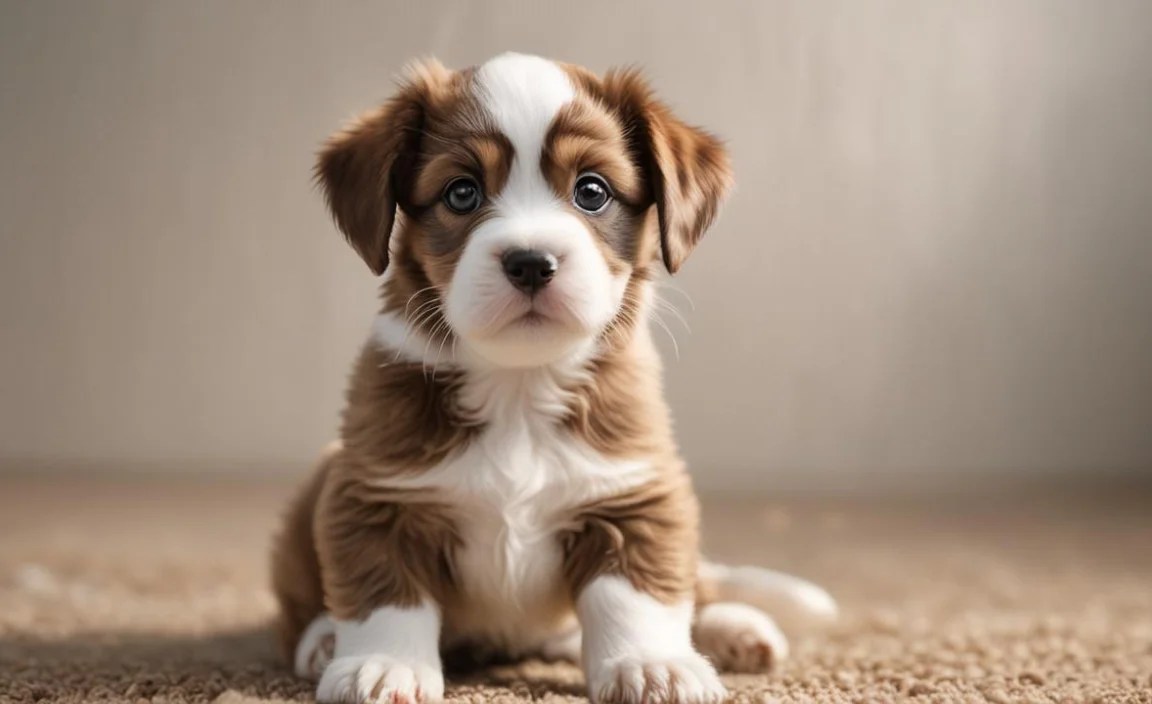
When focusing on puppy training behavior fast and making it easy, prioritize a few fundamental commands that will form the bedrock of your dog’s obedience. These commands not only improve your dog’s manners but also provide them with structure and mental stimulation.
“Sit”: This is often the first command taught and is relatively straightforward. Start by holding a treat near your puppy’s nose and moving it up and back over their head. As their head follows the treat, their rear end will naturally lower.
“Stay”: Once your puppy reliably sits, you can introduce “stay.” Ask for a sit, then hold your hand out (palm facing them) and say “stay.” Take one step back. If they remain, return and reward. Gradually increase the distance and duration.
“Come”: This is a crucial safety command. Start in a quiet area, get down to your puppy’s level, and say their name followed by “come” in an enthusiastic tone. Reward them enthusiastically when they reach you. Never call your puppy to punish them; this will make them hesitant to respond in the future.
“Down”: Similar to sit, lure your puppy into a down position. Hold a treat at their nose and slowly bring it down to the floor between their paws, then slide it away from them.
These basic commands, practiced consistently and positively, will make a remarkable difference in your puppy’s behavior and make your overall training journey much more manageable and enjoyable. Remember, every puppy learns at their own pace, but with dedication and the right techniques, you can achieve remarkable results in a surprisingly short amount of time.

Meet Elyse Colburn, the devoted canine companion and storyteller behind the enchanting world of “Tales, Tails, and Adventures Unleashed.” A passionate dog enthusiast with a heart full of paw prints, Elyse Colburn shares heartwarming tales and insightful adventures, celebrating the joy, loyalty, and endless antics that make every dog a true hero. Join Elyse Colburn on this tail-wagging journey, where every post is a love letter to our four-legged friends.