
Puppy training behavior step by step is the bedrock of a harmonious life with your canine companion. Bringing a new puppy into your home is an exciting adventure, filled with boundless energy, adorable antics, and of course, the crucial responsibility of shaping their behavior into that of a well-adjusted adult dog. While the journey might seem daunting, especially for first-time owners, it’s entirely manageable with patience, consistency, and a clear understanding of how dogs learn. This guide will break down the essential elements of puppy training into manageable steps, paving the way for a confident, well-behaved dog.
Understanding Puppy Learning: The Foundation of Success

Before diving into specific commands, it’s vital to grasp how puppies learn. They are primarily motivated by positive reinforcement. This means rewarding desired behaviors with something they value – be it a tasty treat, enthusiastic praise, or a favorite toy. Conversely, punishment-based methods can create fear and anxiety, hindering the learning process and potentially damaging your bond. Puppies thrive on routine and predictability. Establishing a consistent schedule for feeding, potty breaks, playtime, and training sessions will help them understand expectations and feel secure. Remember that puppies have short attention spans. Training sessions should be brief, fun, and frequent, rather than long and overwhelming.
Essential Commands: The Building Blocks of Good Behavior

There are several foundational commands that every puppy should learn. These not only equip them with basic obedience but also serve as springboards for more complex training.
“Sit”: The Gateway to Control
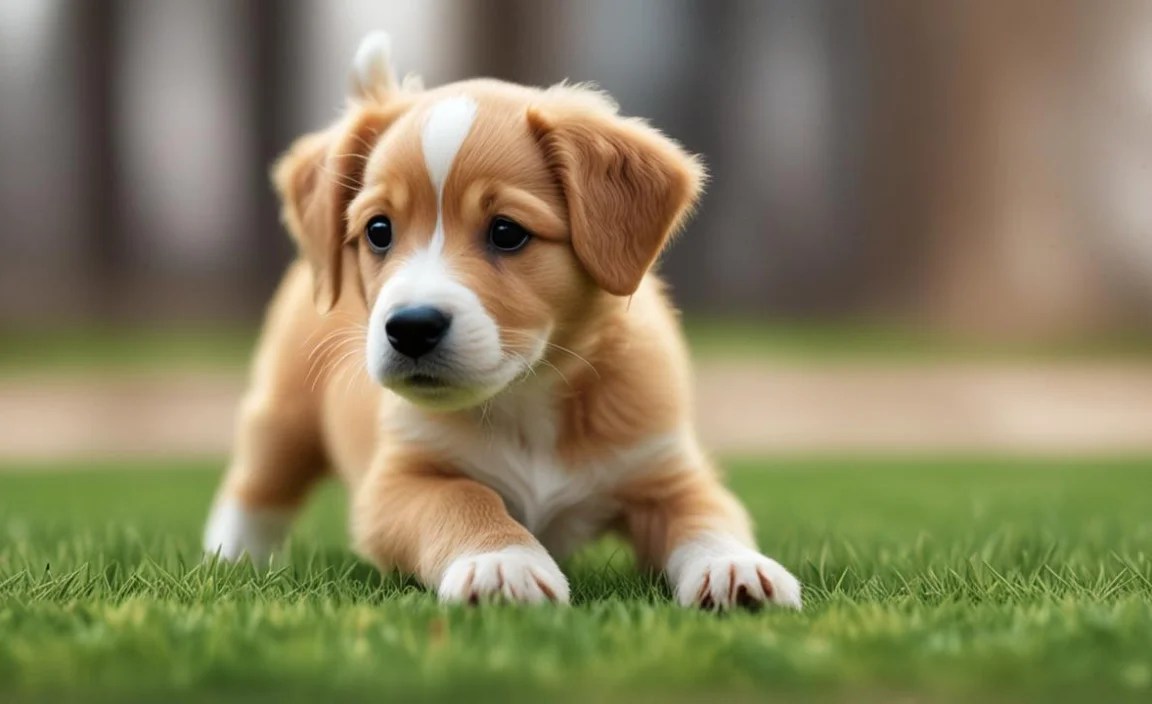
This is often the first command taught and for good reason. A simple “sit” can prevent a puppy from jumping up, help them settle before greeting people, and improve their focus. To teach “sit,” hold a treat near your puppy’s nose. As they follow the treat upwards, their rear end will naturally lower. The moment their rear touches the ground, say “sit,” and immediately give them the treat and praise. Repeat this multiple times in short sessions throughout the day. Once they consistently sit when you lure them, start adding the verbal cue first, then do the lure. Gradually fade out the lure until they sit on the verbal cue alone.
“Stay”: Developing Patience and Impulse Control
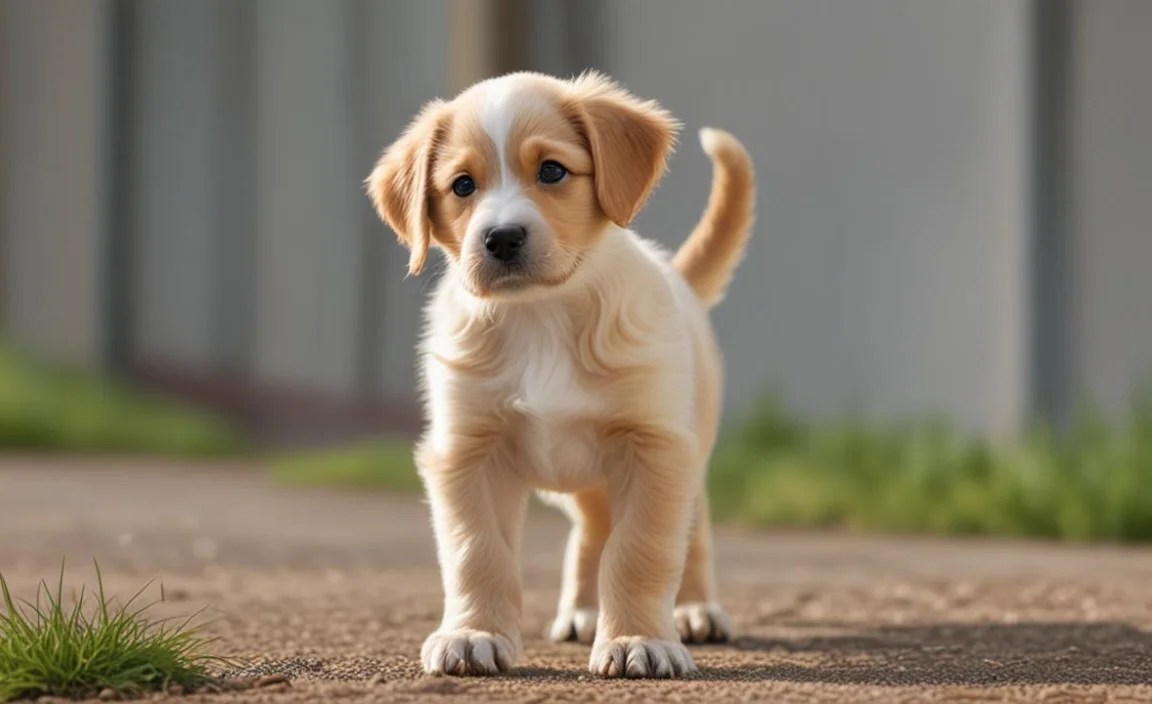
“Stay” is crucial for safety and managing your puppy’s impulses. Start with short distances and durations. Ask your puppy to “sit,” and then hold your hand out flat in front of them, saying “stay.” Take just one step back. If they remain seated, immediately return, reward them, and release them with a cue like “okay.” If they move, simply put them back in the sit position without scolding and try again with an even shorter distance or duration. Gradually increase the distance and the time they need to stay before rewarding.
“Come” or “Recall”: The Life-Saving Command
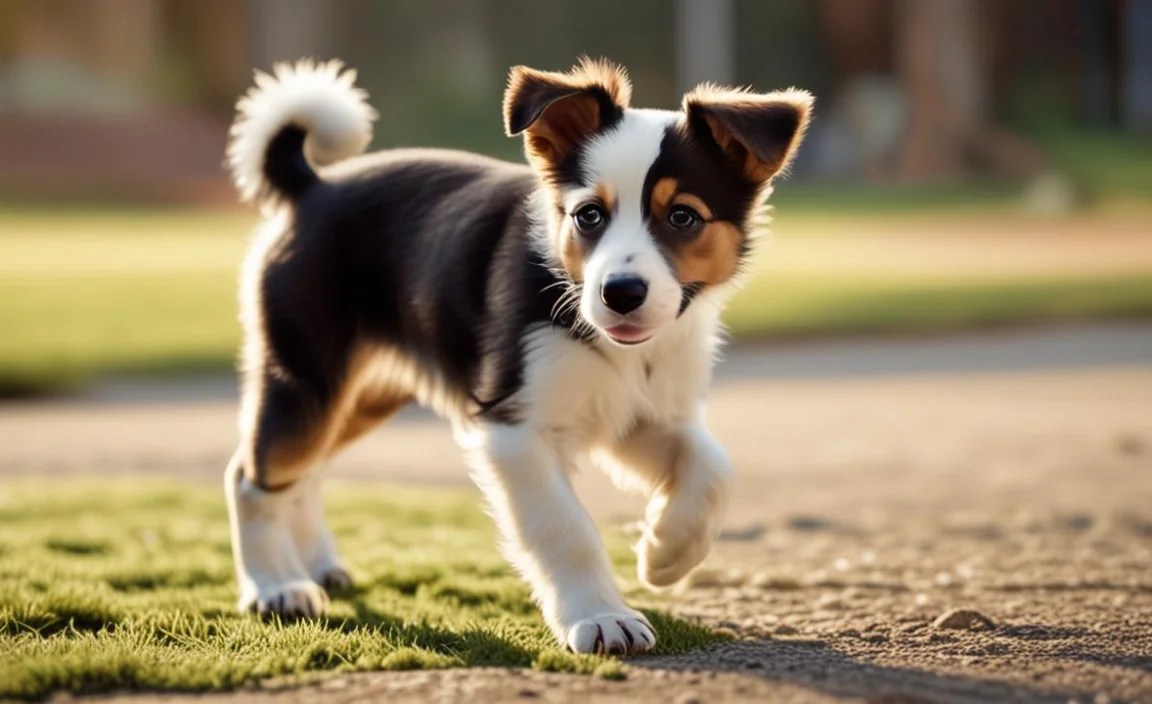
A reliable recall is arguably the most important command for your puppy’s safety. Start in a quiet, enclosed area. Get down on their level and excitedly call their name followed by “come!” When they run to you, offer lavish praise and a high-value treat. Never call your puppy to you for something unpleasant, like a bath or nail trim, as this can make them hesitant to come when called in the future. Practice this command frequently in different environments, gradually increasing distractions.
House Training Essentials: A Calm Approach to Potty Training

House training is a significant aspect of puppy training behavior step by step. Consistency and vigilance are key. Take your puppy outside frequently, especially after waking up, after meals, after playtime, and before bedtime. When they eliminate in the designated spot, praise them enthusiastically and offer a treat immediately. If you catch them having an accident indoors, interrupt them with a gentle sound (like a clap) and immediately take them outside to their potty spot. Avoid punishing them for accidents, as this can lead to fear and hiding their eliminations. Crate training can be a valuable tool in house training, as dogs are naturally reluctant to soil their sleeping area.
Socialization: Building Confidence in a Big World

Socialization is critical during a puppy’s critical developmental window, typically between 3 and 16 weeks of age. This involves exposing them to a wide variety of sights, sounds, people, and other well-behaved, vaccinated dogs in a positive and controlled manner. Gentle introductions to different surfaces, noises (like vacuums or thunderstorms), and people of all ages and appearances will help them develop into a confident, well-adjusted adult. Avoid overwhelming your puppy during socialization; focus on positive experiences and allow them to retreat if they feel anxious.
Addressing Common Puppy Behaviors: Patience and Understanding

Nipping and Biting: Puppies explore the world with their mouths. When they nip too hard during play, yelp loudly (mimicking a littermate’s reaction) and momentarily withdraw your hand. This teaches them bite inhibition. If the biting persists, redirect their attention to an appropriate chew toy.
Chewing: Provide a variety of safe and appealing chew toys. When you catch your puppy chewing something inappropriate, redirect them to their toys. Bitter apple spray can be helpful on furniture legs or other tempting, but forbidden, items.
* Jumping: When your puppy jumps on you, turn away and ignore them until all four paws are on the floor. As soon as they settle, offer praise and attention. Ask guests to do the same.
Remember, puppy training behavior step by step is an ongoing process. Celebrate small victories, be patient through setbacks, and most importantly, enjoy the journey with your furry friend. A well-trained puppy is a happy puppy, and a well-trained dog makes for a cherished family member.

Meet Elyse Colburn, the devoted canine companion and storyteller behind the enchanting world of “Tales, Tails, and Adventures Unleashed.” A passionate dog enthusiast with a heart full of paw prints, Elyse Colburn shares heartwarming tales and insightful adventures, celebrating the joy, loyalty, and endless antics that make every dog a true hero. Join Elyse Colburn on this tail-wagging journey, where every post is a love letter to our four-legged friends.