
Raw dog food for Yorkies has gained significant traction in recent years, with many owners opting for this ancestral diet. The appeal lies in its purported benefits, mimicking what dogs might have eaten in the wild. For Yorkshire Terriers, a breed known for its delicate digestion and potential for certain health issues, the question of whether raw feeding is truly the “best choice” warrants a thorough exploration. This article will delve into the pros and cons, practical considerations, and essential information for owners contemplating a raw diet for their diminutive canine companions.
Understanding the Raw Diet for Yorkies

At its core, a raw dog food diet typically consists of uncooked muscle meat, organs, edible bones, and sometimes small amounts of fruits and vegetables. For Yorkies, a breed that often requires smaller kibble sizes and can be sensitive to certain ingredients, the idea of a “natural” diet can be enticing. Proponents argue that this approach offers a more bioavailable source of nutrients, leading to improved digestion, shinier coats, increased energy, and potentially fewer allergies and dental problems.
The rationale behind this dietary shift is rooted in the belief that modern processed dog foods, while convenient, may lack essential nutrients or contain fillers and artificial ingredients that can be detrimental to a dog’s health. For a breed as small as a Yorkie, every nutrient counts, and precise dietary management is crucial for their well-being.
The Potential Benefits of Raw Dog Food for Yorkies

When considering raw dog food for Yorkies, several potential advantages stand out:
Improved Digestion: Raw diets are often highly digestible. The absence of processed grains and fillers can lead to smaller, firmer stools and reduced instances of digestive upset, gas, and bloating – common concerns for small breeds.
Healthier Skin and Coat: Many raw feeders report a noticeable improvement in their Yorkie’s coat and skin condition. The high levels of essential fatty acids, such as omega-3 and omega-6, found in raw meats and fish, can contribute to a lustrous, healthy coat and reduce itching and dryness.
Enhanced Dental Health: Chewing on raw, meaty bones can act as a natural toothbrush, helping to clean teeth and massage gums. This can be particularly beneficial for Yorkies, who are predisposed to dental issues like periodontal disease due to their small mouths.
Increased Energy Levels: A nutrient-dense raw diet can provide a sustained release of energy, leading to a more active and engaged Yorkie. This can be a welcome change for owners who notice their terrier lacking in vitality.
Reduced Allergies and Sensitivities: For Yorkies suffering from food allergies or sensitivities, a raw diet can offer a solution. By controlling each ingredient, owners can pinpoint and eliminate potential allergens, moving towards a single-protein source if necessary.
Navigating the Challenges and Risks
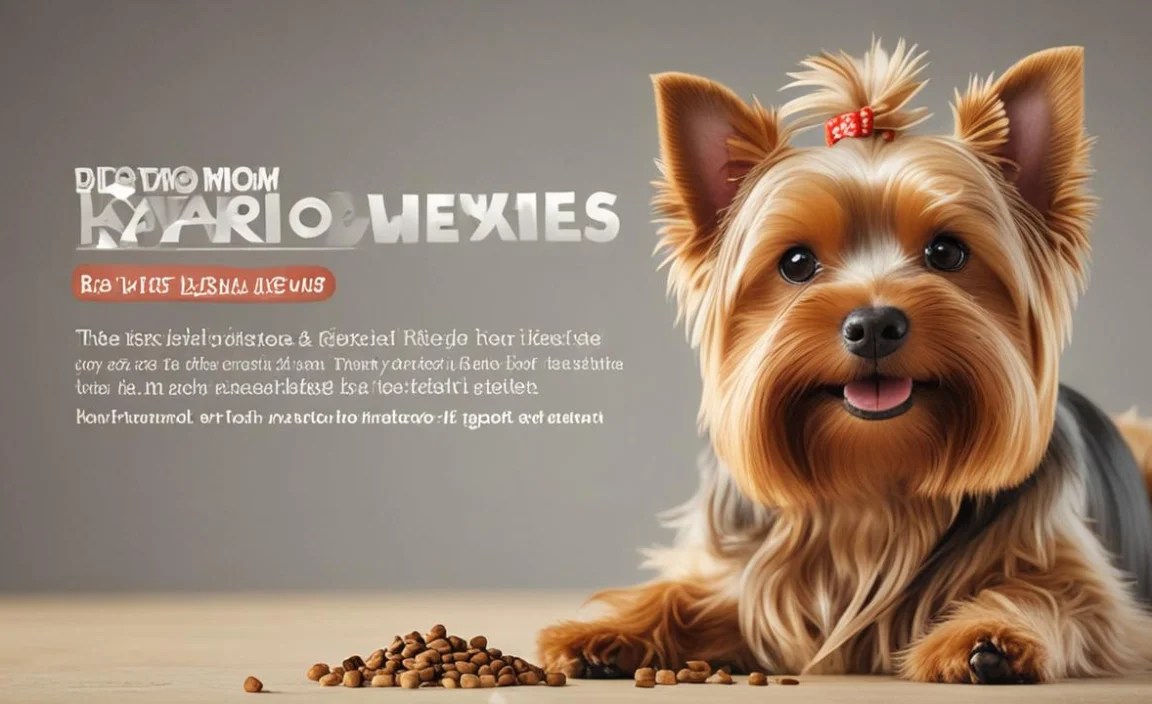
While the benefits are appealing, it’s crucial to acknowledge the potential drawbacks and risks associated with feeding raw dog food for Yorkies:
Bacterial Contamination: This is arguably the most significant concern. Raw meat can harbor bacteria like Salmonella, E. coli, and Listeria, which can be harmful to both dogs and humans, especially young children, the elderly, and immunocompromised individuals. Proper handling, storage, and sanitation practices are paramount.
Nutritional Imbalance: Creating a nutritionally complete and balanced raw diet can be complex. An improperly formulated diet can lead to deficiencies or excesses in essential nutrients, impacting the dog’s overall health and potentially causing skeletal or organ problems. This is where expert guidance is essential.
Bone Safety: While bones can be beneficial, they also pose a choking hazard or can cause obstructions or internal damage if not appropriate for the dog’s size and chewing style. Owners must select appropriate bones and supervise their consumption.
Cost and Preparation Time: Raw diets can be more expensive than commercial kibble, and they require more preparation time, including sourcing ingredients, portioning, and proper storage. This commitment is a significant consideration for busy owners.
Transitioning Challenges: Some Yorkies may experience digestive upset during the transition to a raw diet, which can manifest as diarrhea or vomiting. A gradual, carefully managed introduction is crucial to minimize these issues.
Practical Considerations for Raw Feeding Your Yorkie

If you’re considering raw dog food for Yorkies, careful planning and execution are vital.
Consult Your Veterinarian: This is non-negotiable. Discuss your intentions with your vet, especially if your Yorkie has any pre-existing health conditions. Some vets are proponents of raw feeding and can offer guidance, while others may advise against it due to safety concerns. Seek out veterinary professionals who are knowledgeable about raw diets.
Research Reputable Sources: If you choose to prepare your own raw meals, thorough research into balanced canine nutrition is essential. Alternatively, consider commercially prepared raw diets from reputable brands that meet AAFCO (Association of American Feed Control Officials) standards for completeness and balance.
Prioritize Food Safety: Strict hygiene is paramount. Wash your hands, surfaces, and utensils thoroughly after handling raw meat. Store raw food in a dedicated container in the coldest part of your refrigerator.
Start Gradually: When introducing a raw diet, don’t switch abruptly. Mix a small amount of raw food with their current food, gradually increasing the proportion of raw over several weeks to allow their digestive system to adapt.
* Observe Your Dog: Closely monitor your Yorkie for any changes in their health, energy levels, stool consistency, and overall well-being. Adjust the diet as needed based on their individual response.
Conclusion: A Thoughtful Decision for Your Yorkie
While raw dog food for Yorkies offers compelling potential benefits, it is not a universally “best choice” without careful consideration. The decision should be based on thorough research, an honest assessment of your commitment to food safety and preparation, and, most importantly, consultation with your veterinarian. For some Yorkies, a carefully formulated raw diet can indeed be a path to improved health and vitality. However, for others, particularly those with specific health concerns or owners who cannot commit to the rigorous safety protocols, a high-quality, commercially prepared dog food might be a more suitable and safer option. Ultimately, the best diet for your Yorkie is the one that keeps them healthy, happy, and thriving throughout their life.

Meet Elyse Colburn, the devoted canine companion and storyteller behind the enchanting world of “Tales, Tails, and Adventures Unleashed.” A passionate dog enthusiast with a heart full of paw prints, Elyse Colburn shares heartwarming tales and insightful adventures, celebrating the joy, loyalty, and endless antics that make every dog a true hero. Join Elyse Colburn on this tail-wagging journey, where every post is a love letter to our four-legged friends.