
The quest for the perfect canine companion often leads prospective pet parents down a delightful rabbit hole of unique and increasingly popular breeds. Among these, the top 10 Labradoodle contenders frequently emerge, captivating hearts with their intelligence, playful energy, and often allergy-friendly coats. This charming hybrid, a cross between a Labrador Retriever and a Poodle, has skyrocketed in popularity for good reason. They embody the best of both worlds: the eager-to-please nature of the Labrador and the sharp intellect and low-shedding qualities of the Poodle. Whether you’re a seasoned dog owner or embarking on your first pet-parenting adventure, understanding what makes a Labradoodle special is key to welcoming one into your life.
Understanding the Labradoodle Phenomenon

The rise of the Labradoodle is more than just a fleeting trend; it’s a testament to their exceptional temperament and adaptability. Bred initially in the late 1980s with the intention of creating a hypoallergenic guide dog, the Labradoodle soon became beloved for its gentle disposition, trainability, and affectionate personality. They are known to be incredibly social, thriving on interaction with their families and often getting along famously with children and other pets. Their intelligence means they are quick learners, excelling in obedience training and various dog sports. This makes them a joy to train for those willing to invest the time and positive reinforcement.
Temperament: A Blend of Best Qualities

A significant part of the Labradoodle’s appeal lies in its generally consistent and desirable temperament. While individual personalities can vary, they typically inherit the Labrador’s friendly, outgoing, and eager-to-please attitude. This is combined with the Poodle’s cleverness and sensitivity. Labradoodles are often described as goofy and playful, possessing a zest for life that can be infectious. They are not typically aggressive and tend to be quite sensitive to their owner’s emotions, making them excellent companions for those seeking a loyal and affectionate friend. Their playful nature means they enjoy games and activities, making them a great fit for active households, but they are equally content to snuggle on the couch after a good play session.
Coat Variations and Grooming Needs

One of the most frequently discussed aspects of the Labradoodle breed is its coat. Due to their Poodle heritage, many Labradoodles possess a fleece or wool coat that sheds minimally, making them a popular choice for individuals with allergies. However, it’s crucial to understand that no dog is truly 100% hypoallergenic. The degree of shedding can vary significantly depending on the individual dog and the specific crossbreeding.
There are generally three main coat types:
Fleece: Soft and wavy, or with loose curls. This is often the most sought-after coat for its low-shedding qualities.
Wool: Tightly curled, dense like a Poodle’s coat. This also sheds very little.
* Hair: More like a Labrador’s coat, with a straighter texture and more shedding. This is less common in well-bred Labradoodles intended for allergy sufferers.
Regardless of the coat type, Labradoodles require regular grooming. Fleece and wool coats are prone to matting if not brushed several times a week. Professional grooming appointments every 6-8 weeks are typically necessary to maintain their coat and prevent painful tangles. Their ears also need regular cleaning to prevent infections, a common concern in floppy-eared breeds.
The Top 10 Labradoodle Considerations for Prospective Owners

When considering bringing a Labradoodle into your home, several key factors should be weighed. Understanding these aspects will help ensure a happy and harmonious relationship:
1. Energy Levels: Labradoodles are energetic dogs that require regular exercise. Daily walks, playtime in a securely fenced yard, and opportunities for mental stimulation are essential to prevent boredom and potential destructive behaviors. They thrive on an active lifestyle.
2. Training and Socialization: Their intelligence makes them highly trainable, but consistency and positive reinforcement are vital. Early socialization is equally important, exposing them to various people, places, and other animals from a young age to foster a well-adjusted adult dog.
3. Grooming Commitment: As mentioned, their coats require significant attention. Prospective owners must be prepared for the time and financial commitment associated with regular brushing and professional grooming.
4. Allergy Considerations: While many Labradoodles are considered allergy-friendly, reactions can still occur. If allergies are a significant concern, spending time with a specific dog before adoption is highly recommended.
5. Potential Genetic Health Issues: Like all breeds, Labradoodles can be prone to certain genetic health conditions. Responsible breeders will screen their breeding stock for issues such as hip and elbow dysplasia, progressive retinal atrophy (PRA), and von Willebrand’s disease. Researching breeders and understanding their health testing practices is paramount.
6. Size Variations: Labradoodles come in various sizes, typically categorized as Standard, Medium, and Miniature, depending on the Poodle parent. The size will influence their exercise needs and living space requirements.
7. Lifespan: With proper care, Labradoodles typically have a lifespan of 10-15 years, offering a long and rewarding companionship.
8. Social Needs: These dogs are highly social and do not do well being left alone for extended periods. They thrive on being part of the family’s activities and can develop separation anxiety if not given enough attention and companionship.
9. Chewing Tendencies: As puppies and adolescents, Labradoodles can be avid chewers. Providing appropriate chew toys and redirecting their chewing behavior is crucial during this developmental stage.
10. Breeders vs. Rescues: While many reputable breeders focus on the Labradoodle, ensuring you are acquainted with ethical breeding practices is important. Alternatively, many Labradoodle rescue organizations exist, offering a chance to provide a loving home to a dog in need.
Finding Your Perfect Labradoodle
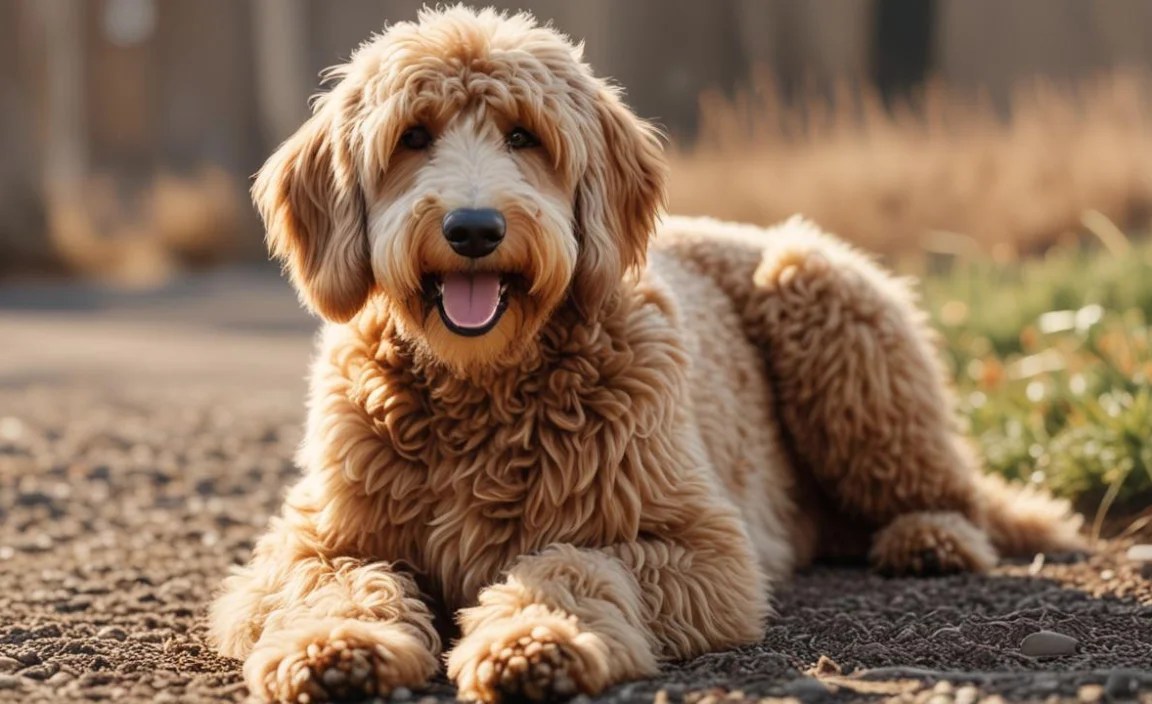
The “top 10 Labradoodle” guide emphasizes that while the breed enjoys considerable popularity, each dog is an individual. Researching reputable breeders who prioritize health, temperament, and ethical practices is the first step. Look for breeders who are transparent about their health testing, allow you to meet the parent dogs, and are happy to answer all your questions. Alternatively, consider the rewarding experience of adopting a Labradoodle from a rescue organization. Regardless of how you find your canine companion, with proper training, socialization, and plenty of love, a Labradoodle can undoubtedly become a cherished member of your family, offering years of joy, laughter, and unwavering loyalty.

Meet Elyse Colburn, the devoted canine companion and storyteller behind the enchanting world of “Tales, Tails, and Adventures Unleashed.” A passionate dog enthusiast with a heart full of paw prints, Elyse Colburn shares heartwarming tales and insightful adventures, celebrating the joy, loyalty, and endless antics that make every dog a true hero. Join Elyse Colburn on this tail-wagging journey, where every post is a love letter to our four-legged friends.