
Stubborn old dog training can feel like an uphill battle, but with the right approach, it’s far from impossible. Many assume that once a dog reaches a certain age, their learning capacity diminishes and unwanted behaviors become permanent fixtures. While older dogs may have ingrained habits and potentially some physical limitations, their minds are still very much capable of learning and adapting. The key lies in patience, understanding, and employing techniques tailored to their unique needs and life experiences.
The Unique Challenges of Stubborn Old Dog Training

Before diving into solutions, it’s crucial to acknowledge why training an older dog can present specific challenges.
Deep-Rooted Habits: Older dogs have had years, possibly a decade or more, to solidify their routines and behaviors. A habit that’s been practiced consistently is naturally harder to break than a new one.
Physical Limitations: Arthritis, hearing loss, vision impairment, or general stiffness can make certain training exercises difficult or even painful. A dog experiencing discomfort will not be motivated to learn, and forcing them can be counterproductive.
Past Experiences: If your older dog has a history of neglect, abuse, or inconsistent training, they may harbor ingrained fears, anxieties, or a learned helplessness that impacts their willingness to engage.
Lower Energy Levels: While some older dogs remain spry, many have less stamina and shorter attention spans than puppies or younger adults. Training sessions need to be shorter and more frequent.
Cognitive Decline: In some cases, older dogs can experience cognitive dysfunction syndrome (CDS), similar to dementia in humans, which can affect their learning, memory, and behavior.
Why Your Stubborn Old Dog Still Needs Training

Even with these challenges, investing time in to train stubborn dog in older dogs is incredibly beneficial for both your canine companion and your relationship.
Improved Quality of Life: Training can help manage existing issues, like house-soiling or excessive barking, making your dog more comfortable and reducing stress for everyone.
Enhanced Bond: Learning new things together, even simple cues, strengthens the connection between you and your dog. It’s a shared activity that builds trust and communication.
Mental Stimulation: Just like humans, dogs benefit from mental engagement throughout their lives. Training keeps their minds active, which can help ward off cognitive decline and prevent boredom-related behaviors.
Safety: Teaching or reinforcing essential commands like “stay,” “come,” and “leave it” can be critical for your dog’s safety, especially if their senses are declining.
Strategies to Train Stubborn Dog in Older Dogs Effectively

The good news is that with understanding and the right tactics, progress can absolutely be made. Here’s how to approach it:
1. Consult Your Veterinarian First

Before embarking on any new training regimen, an important first step is to rule out any underlying medical issues. Pain is a significant motivator for any animal to resist training. Your vet can perform a check-up to assess your dog’s overall health, identify any discomfort, and offer advice on managing age-related conditions that might hinder training. They can also help determine if any behavioral changes are due to cognitive decline.
2. Embrace Positive Reinforcement
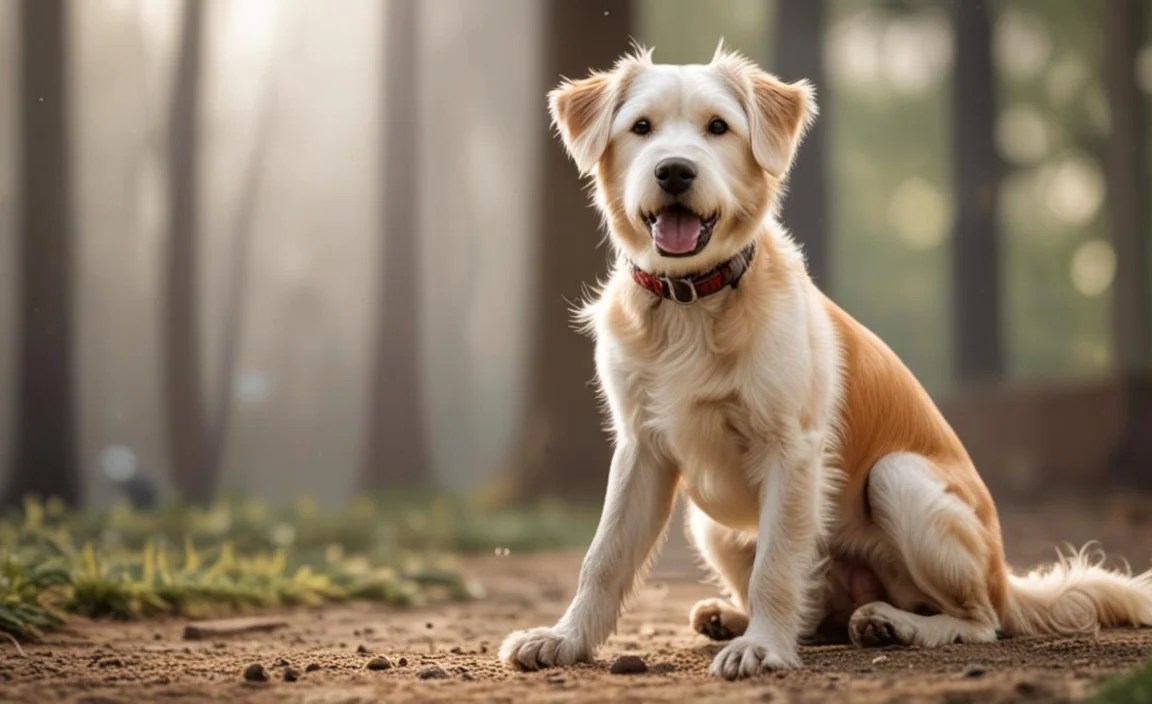
This is paramount for any dog, but especially for older dogs who may have had less positive experiences with training. Positive reinforcement focuses on rewarding desired behaviors, making them more likely to occur again.
High-Value Rewards: Forget standard kibble. Use small, particularly tasty treats your dog loves – think bits of cooked chicken, cheese, or special training treats.
Praise and Affection: Don’t underestimate the power of enthusiastic verbal praise and gentle petting.
Clicker Training: A clicker can be an excellent marker for success. The distinct sound tells your dog precisely when they’ve done something right, followed immediately by a reward.
3. Keep Sessions Short and Sweet

Older dogs have shorter attention spans and tire more easily. Aim for multiple short training sessions (5-10 minutes each) throughout the day rather than one long one. This keeps them engaged and prevents them from becoming overwhelmed or fatigued. End each session on a positive note, with a successful cue or command.
4. Adapt Methods to Physical Limitations

If your dog has trouble standing for long periods, opt for “sit” or “down” cues done from a lying or seated position. If their hearing is fading, use clear hand signals in conjunction with verbal cues. If arthritis makes quick movements difficult, focus on stationary cues and exercises. Never push a dog if they show signs of pain or reluctance.
5. Focus on What Matters Most
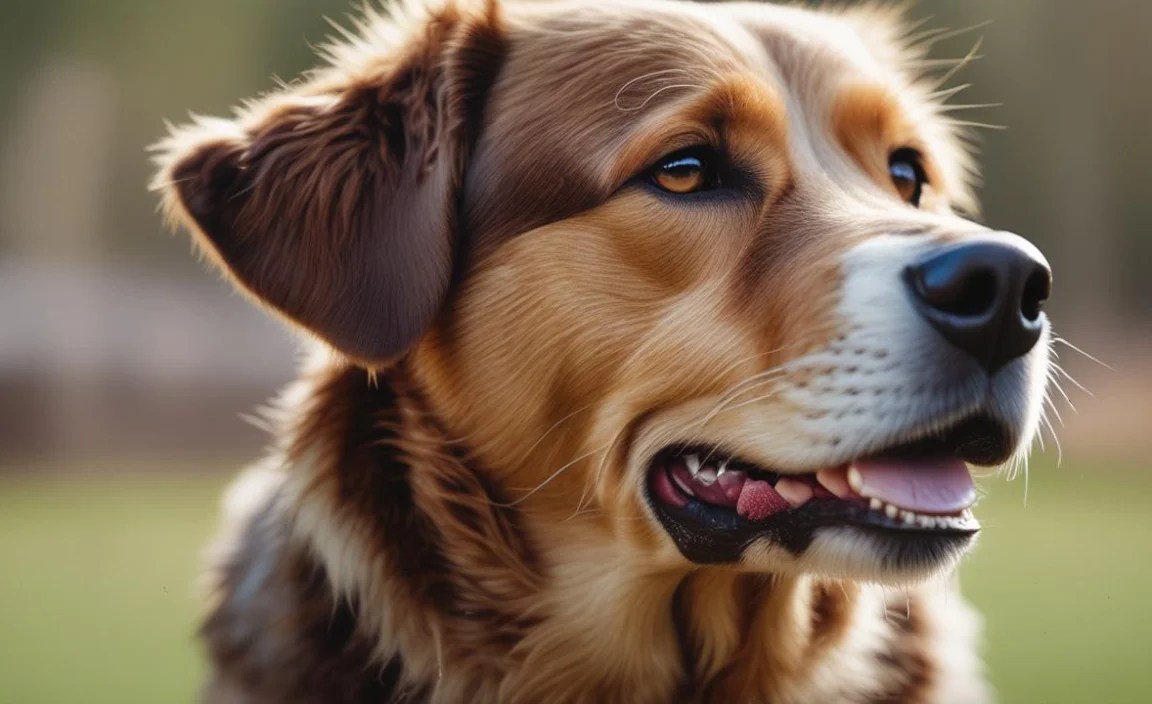
Prioritize commands that will significantly improve your dog’s quality of life and your ability to manage them. This might include:
“Potty” Cue: Reinforcing or re-establishing a reliable house-training schedule.
“Come” Command: Crucial for safety. Make it consistently rewarding for them to come to you.
“Leave It”: Essential for preventing them from eating something dangerous or undesirable.
“Stay”: Helps manage them in various situations and gives you a moment of calm.
6. Be Patient and Consistent When You Train Stubborn Dog in Older Dogs

This cannot be stressed enough. Stubbornness is often a sign of deep-seated habit rather than a lack of intelligence. It will take time, repetition, and unwavering patience to see changes. Everyone in the household needs to be on the same page, using the same commands and rewards. Inconsistency is the enemy of progress.
7. Leverage Existing Skills

Don’t be afraid to ask your dog to do things they already know. This can be a great confidence booster and a way to fill out training sessions. You can also try to shape new behaviors by breaking them down into tiny steps, rewarding each successful incremental movement towards the final goal.
8. Manage the Environment

While you’re working on training, proactively manage your dog’s environment to prevent them from practicing unwanted behaviors. If they have accidents indoors, restrict their access to areas where this has happened and supervise them closely. If they beg at the table, don’t feed them from your plate. Creating a controlled environment sets them up for success.
Conclusion
Training a stubborn old dog requires a nuanced approach, but the rewards are immense. By understanding their potential limitations, employing positive reinforcement techniques, and remaining consistently patient and adaptable, you can absolutely enrich your senior dog’s life and strengthen your bond. The journey may be slower, but the destination – a happier, better-behaved companion – is well worth the effort.

Meet Elyse Colburn, the devoted canine companion and storyteller behind the enchanting world of “Tales, Tails, and Adventures Unleashed.” A passionate dog enthusiast with a heart full of paw prints, Elyse Colburn shares heartwarming tales and insightful adventures, celebrating the joy, loyalty, and endless antics that make every dog a true hero. Join Elyse Colburn on this tail-wagging journey, where every post is a love letter to our four-legged friends.