
Stubborn dog training: Effortless techniques are not a myth, but rather the result of understanding canine psychology and employing patient, consistent strategies. It’s a common misconception that “stubborn” dogs are simply disobedient or intentionally difficult. More often, their perceived stubbornness stems from a lack of clear communication, unmet needs, or a misunderstanding of what we’re asking them to do. This article will delve into effective methods to navigate these challenges and foster a more harmonious relationship with your canine companion.
Understanding the “Stubborn” Canine Mindset

Before diving into specific techniques, it’s crucial to shift our perspective. What looks like stubbornness might actually be:
Lack of Motivation: Your dog might not see a compelling reason to perform the desired action. Treats and praise are powerful motivators, but their value can vary. Some dogs are highly food-driven, while others respond better to play or affection.
Confusion: If commands are unclear, inconsistent, or too complex, your dog may become confused and shut down. This isn’t defiance; it’s a failure to comprehend.
Fear or Anxiety: A dog exhibiting “stubbornness” in certain situations might actually be experiencing fear or anxiety. Trying to force them into a scary situation will only reinforce their apprehension.
Boredom or Under-Stimulation: A dog with pent-up energy or a lack of mental stimulation may appear uncooperative because they’re simply not engaged.
Physical Discomfort: Pain or illness can significantly impact a dog’s willingness to engage in training. Always rule out any underlying medical issues.
Breeding and Personality: Certain breeds were historically bred for independent thinking and problem-solving, which can sometimes be misinterpreted as stubbornness. Individual personality also plays a huge role.
Mastering Train Stubborn Dog Techniques: The Power of Positive Reinforcement

The cornerstone of any effective dog training, especially with perceived stubbornness, is positive reinforcement. This method focuses on rewarding desired behaviors, making them more likely to be repeated. Punitive methods, such as yelling, hitting, or using choke chains aggressively, can damage the bond between you and your dog, increase fear and anxiety, and actually make training more difficult in the long run.
Key Principles of Positive Reinforcement:
Timing is Everything: Rewards must be delivered immediately (within 1-2 seconds) after the desired behavior occurs. This helps your dog clearly associate the action with the reward.
Consistency is Crucial: Everyone in the household must use the same commands and reward systems. Inconsistency breeds confusion, which can manifest as stubbornness.
High-Value Rewards: For a “stubborn” dog, you’ll likely need rewards that are highly motivating. This could be small pieces of cooked chicken, cheese, a favorite squeaky toy, or enthusiastic praise and petting. Experiment to discover what truly gets your dog excited.
Short, Frequent Sessions: Dogs, especially puppies and those easily distracted, have short attention spans. Aim for multiple short training sessions (5-10 minutes) throughout the day rather than one long, overwhelming session.
Effective Train Stubborn Dog Techniques: Practical Applications
Let’s explore some actionable techniques that leverage positive reinforcement for those dogs who seem to have a mind of their own:
1. The Reward-Based “Catch” Method
Instead of forcing a behavior, “catch” your dog doing it naturally and reward them. For example, if you want your dog to sit, place yourself in their line of sight and wait. The moment their rear touches the ground, say your command word (“sit”) and immediately offer a high-value treat and praise. They’ll start to associate the word with the action they were already performing.
2. Shaping Behavior
This involves breaking down a complex behavior into tiny, manageable steps and rewarding each step progressively. For instance, to teach a “down” command, you might first reward your dog for looking at the floor, then for lowering their head, then for bending their elbows, and finally for lying all the way down. This gradual process builds on success and prevents overwhelm.
3. Focus and Attention Exercises
A dog that doesn’t have good focus will struggle with any command. Start by teaching them to make eye contact. Hold a treat near your eye and say their name. When they look at you, say “yes” and give the treat. Gradually increase the duration they need to hold eye contact before receiving the reward. This builds a foundation for them to pay attention to your cues.
4. Introducion of a “Marker Word” or Clicker

A marker word (like “yes!”) or a clicker acts as a bridge between the behavior and the reward. It precisely pinpoints the moment the dog did the right thing. Once your dog understands that the marker predicts a reward, you can use it to mark virtually any correct behavior, even those you can’t immediately reward with a treat due to circumstance.
5. Managing the Environment
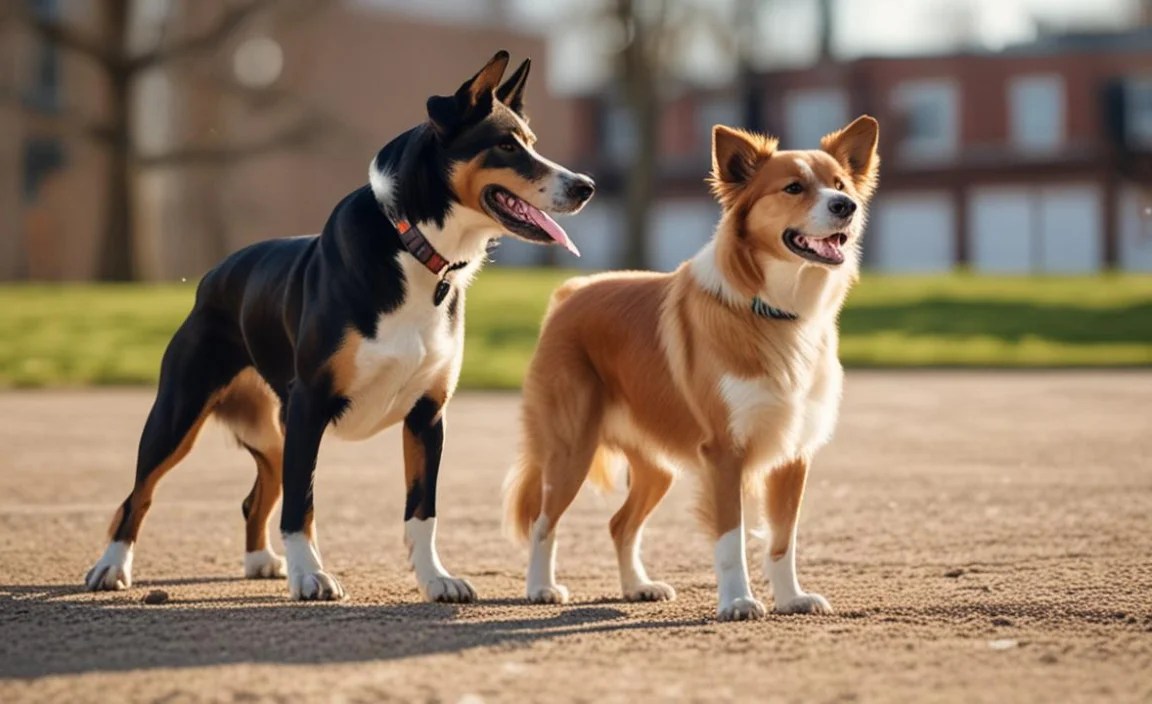
When training a stubborn dog, it’s essential to set them up for success. If your dog is easily distracted by squirrels while trying to learn “stay,” practice “stay” in a quiet, enclosed room first. Gradually introduce distractions as they become more proficient. This proactive approach prevents repeated failures and frustration for both of you.
6. Understanding Frustration Tolerance
Some dogs get frustrated quickly. If your dog starts to shut down, whine, or become agitated, it’s a sign they’re reaching their limit. End the session on a positive note with an easy command they know well, and try again later from a simpler starting point.
7. Never Underestimate Play
For many dogs, play is the ultimate motivator. Incorporate their favorite toy into training sessions. A quick game of fetch after a successful “sit” or “stay” can be incredibly reinforcing.
Patience and Persistence: The Ultimate “Stubborn Dog Training” Tools

Ultimately, the most effective “train stubborn dog techniques” boil down to boundless patience and unwavering persistence. Every dog learns at their own pace, and those who seem more challenging require extra understanding and dedication. Celebrate small victories, learn from setbacks, and remember that building a strong, trusting relationship with your dog is the most rewarding outcome of all. By shifting your approach to one of clear communication, positive reinforcement, and an understanding of your dog’s individual needs, you can transform even the most seemingly “stubborn” canine into a well-behaved and happy companion.

Meet Elyse Colburn, the devoted canine companion and storyteller behind the enchanting world of “Tales, Tails, and Adventures Unleashed.” A passionate dog enthusiast with a heart full of paw prints, Elyse Colburn shares heartwarming tales and insightful adventures, celebrating the joy, loyalty, and endless antics that make every dog a true hero. Join Elyse Colburn on this tail-wagging journey, where every post is a love letter to our four-legged friends.