
Vizslas are undeniably beautiful dogs, with their striking golden-rust coats and energetic, affectionate personalities. Many families, drawn to their loving nature and desire for an active companion, wonder, “is Vizsla safe for toddlers?“. The answer, like many things in life, isn’t a simple yes or no, but rather a nuanced exploration of breed traits, socialization, training, and supervision. While Vizslas possess many qualities that can make them wonderful family pets, their high energy levels and strong prey drive necessitate careful consideration when integrating them into a household with very young children.
Understanding the Vizsla Temperament

Vizslas are often described as “velcro dogs” due to their profound desire for human companionship. They thrive on interaction and can become anxious or destructive if left alone for extended periods. This inherent need for closeness can be a positive trait with toddlers, as they may develop a strong bond. However, this same exuberance can be a double-edged sword. Vizslas are known for their playful, boisterous nature. They are agile, quick, and can be prone to jumping or play-biting, especially when young and untrained. These actions, while often unintentional, can be overwhelming or even frightening for a toddler.
Their intelligence is another key characteristic. Vizslas are quick learners, which is excellent for training, but it also means they can learn both good and bad habits rapidly. A poorly socialized or untrained Vizsla might not understand the delicate nature of interactions with a small child. Furthermore, their prey drive, while manageable with proper training, is present. This means they might instinctively react to fast-moving small things, and a toddler’s sudden movements or squeals could trigger this instinct.
The Crucial Role of Socialization

The single most important factor in determining if a Vizsla is safe for toddlers, or any child for that matter, is early and consistent socialization. A Vizsla puppy needs to be exposed to a wide variety of sights, sounds, people, and other well-behaved animals from a young age (ideally between 8-16 weeks). This period is critical for shaping their temperament and teaching them how to react appropriately to different stimuli.
When socializing a Vizsla puppy with toddlers, it’s vital to ensure these interactions are positive and controlled. This means:
Gradual Introductions: Start with short, supervised sessions where the puppy can observe the child from a distance before closer contact.
Positive Reinforcement: Reward calm behavior from both the puppy and the child. Use treats and praise.
Gentle Handling: Teach toddlers how to pet gently and avoid pulling ears, tails, or stepping on the dog.
Safe Havens: Ensure the puppy has a safe space (like a crate or a designated room) where they can retreat if they feel overwhelmed.
A Vizsla that has been well-socialized will be more likely to tolerate the sometimes unpredictable nature of young children and understand that they are part of the family pack, to be treated with respect.
Training: Beyond Basic Obedience

Beyond socialization, rigorous training is paramount. For a Vizsla to be considered safe for toddlers, they need to understand basic obedience commands like “sit,” “stay,” “down,” and, crucially, “leave it” and “off.” These commands provide valuable tools for managing interactions and preventing potential issues.
“Leave It”: This command is invaluable for preventing the Vizsla from snatching toys or food that a toddler might be holding.
“Off”: Essential for curbing jumping behavior, which can be problematic with little ones.
Redirecting Energy: Vizslas need significant physical and mental stimulation. Bored or under-exercised Vizslas are more likely to exhibit undesirable behaviors. Long walks, runs, fetch, puzzle toys, and training sessions can help channel their energy constructively. Without adequate outlets, their boisterous play can inadvertently lead to accidents around toddlers.
Supervision: The Non-Negotiable Element
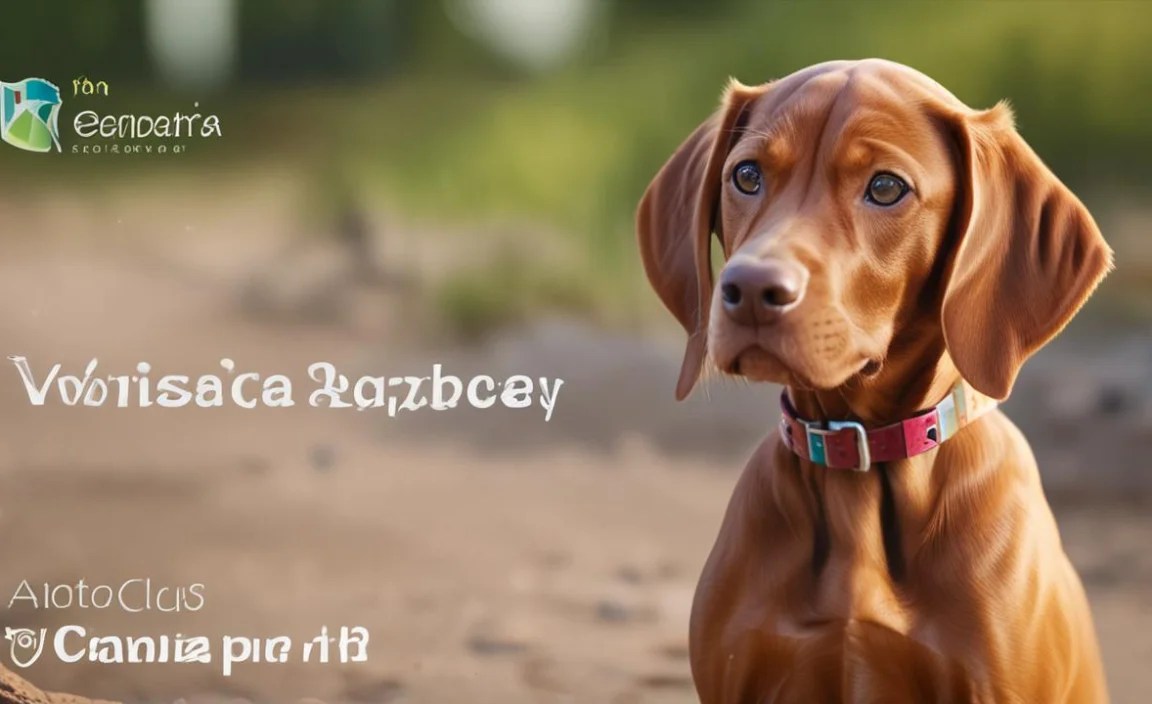
Even with impeccable socialization and training, a Vizsla and a toddler should never be left unsupervised. Toddlers are still learning about boundaries and appropriate interactions, and even the most well-behaved dog can react defensively if startled or hurt.
Supervision means actively watching both the dog and the child, ready to intervene at the first sign of trouble. This includes:
Observing Body Language: Learn to read your Vizsla’s cues – flattened ears, a tucked tail, lip licking, or a rigid posture can indicate stress or discomfort.
Protecting the Toddler: Ensure the toddler isn’t engaging in rough behavior like pulling hair, hitting, or cornering the dog.
Preventing Over-Excitement: Step in if the play becomes too boisterous and could lead to an accidental tumble or nip.
Considerations for Vizslas with Toddlers

When you’re asking “is Vizsla safe for toddlers?“, consider the following additional points:
Size and Strength: While not as large as some breeds, adult Vizslas are muscular and energetic. An excited leap can easily knock a small toddler over.
Sensitivity: Vizslas are sensitive dogs. Harsh corrections can damage their confidence and lead to fear-based aggression. Positive reinforcement is always the best approach.
* Individual Dog’s History: Each dog is an individual. A Vizsla with a prior history of aggression or fear, or one that hasn’t been properly socialized, would likely not be a suitable match for a toddler.
The Verdict: A Potential Match with Diligence

So, is Vizsla safe for toddlers? A Vizsla can certainly be a loving and devoted family member, and a wonderful companion to a toddler, but it requires a significant commitment from the owners. It’s not a breed for the faint of heart or those seeking a low-maintenance pet.
For a Vizsla to be safely integrated with a toddler, prospective owners must prioritize:
1. Thorough Socialization: Expose the puppy to various positive experiences from a very young age.
2. Consistent Training: Invest time in obedience training and teaching impulse control.
3. Adequate Exercise and Mental Stimulation: Provide daily outlets for their high energy.
4. Constant Supervision: Never leave a toddler and a Vizsla unsupervised.
5. Education: Both for the dog and for the toddler (as they grow) on appropriate interactions.
With dedication, patience, and a responsible approach, many Vizslas can grow into well-adjusted dogs who are gentle and loving with their young human counterparts. However, potential owners must be realistic about the work involved and the importance of managing the dog’s innate traits to ensure the safety and well-being of everyone in the household.

Meet Elyse Colburn, the devoted canine companion and storyteller behind the enchanting world of “Tales, Tails, and Adventures Unleashed.” A passionate dog enthusiast with a heart full of paw prints, Elyse Colburn shares heartwarming tales and insightful adventures, celebrating the joy, loyalty, and endless antics that make every dog a true hero. Join Elyse Colburn on this tail-wagging journey, where every post is a love letter to our four-legged friends.